FILTALLOY TECHNOLOGY LTD

Metal Filter Elements & Materials

Home » Metal Filter Media and Elements » Extruder Screen

Extruder Screens & Screen Packs

Alloyfilter manufactures extruder screens and screen packs for polymer melt filtration. Supply forms include single-layer screens, multilayer packs, rimmed or spot-welded discs, pleated screens, custom profiles and reverse Dutch weave belts.

Send your screen specification, drawing or sample photos with the required quantity. We can review the mesh layers, dimensions, edge construction and equipment fit.
Send Your Drawing or Requirements

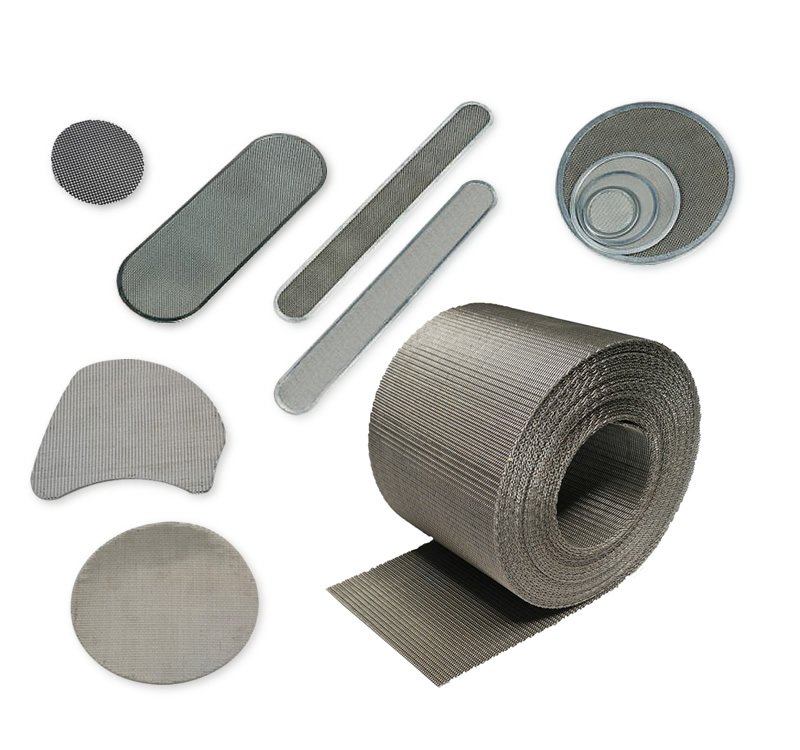
several pieces of stainless steel extruder screen pack

Supply Forms and Product Configurations

The views below show product forms and construction details. Send the drawing or existing specification for the configuration you need.
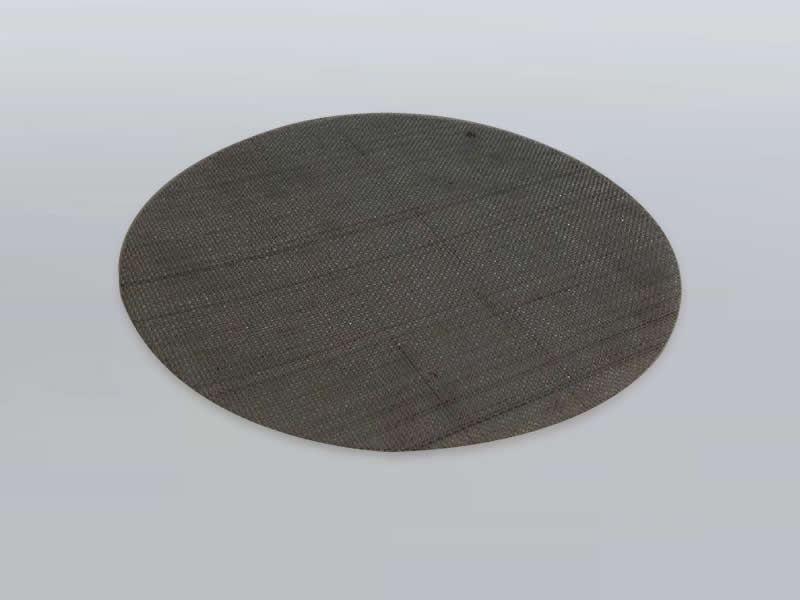
one piece black steel round extruder screen in plain weave
EXS-1: Single-layer mild steel plain weave extruder screen
one ss round screen pack in extruder with multi layers spot welded together
EXS-2: Multi-layer stainless steel extruder screen packs
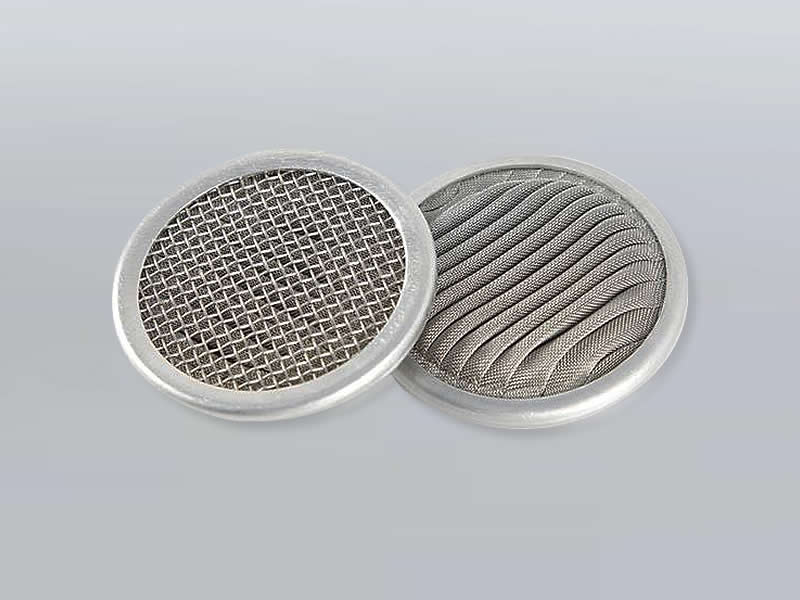
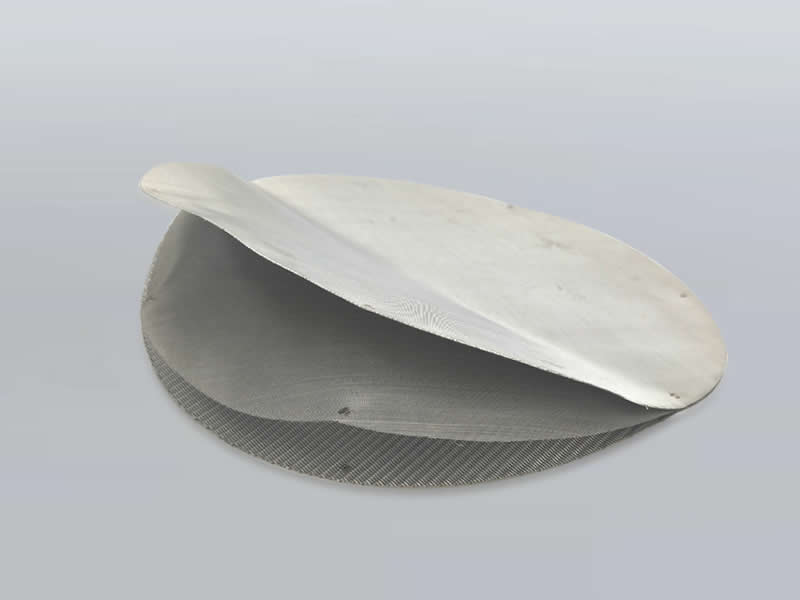
two stainless steel pleated extruder screens with rim binder
EXS-3: Pleated stainless steel extruder screen disc with rim.
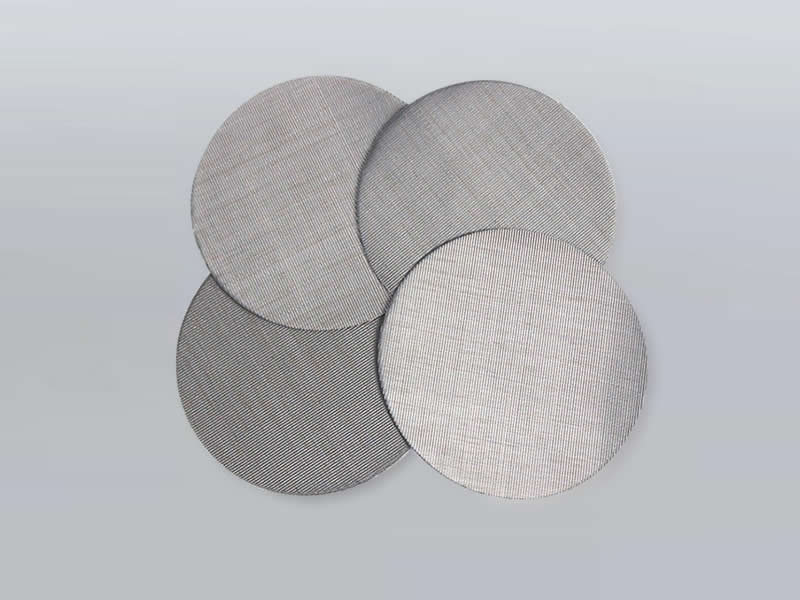
four pieces of dutch weave ss round extruder screen disc with single layer
EXS-4: Dutch weave SS round filter disc in single layer
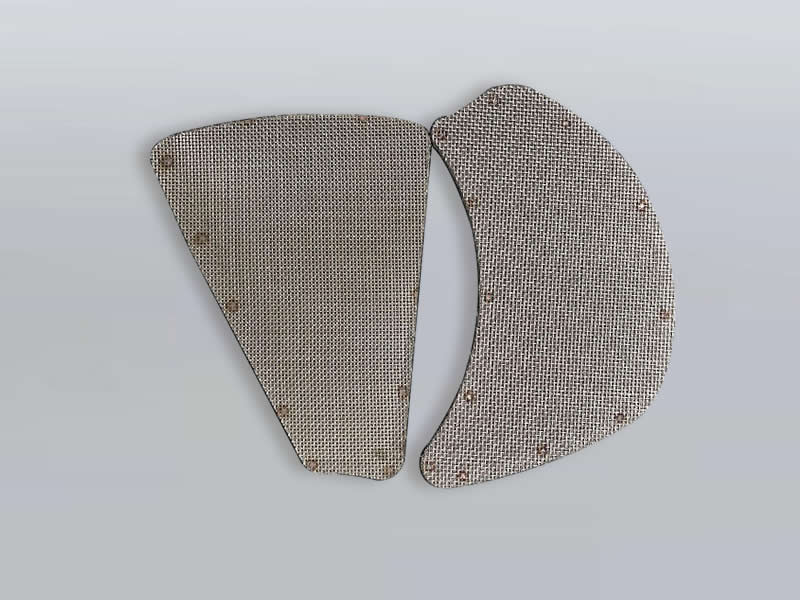
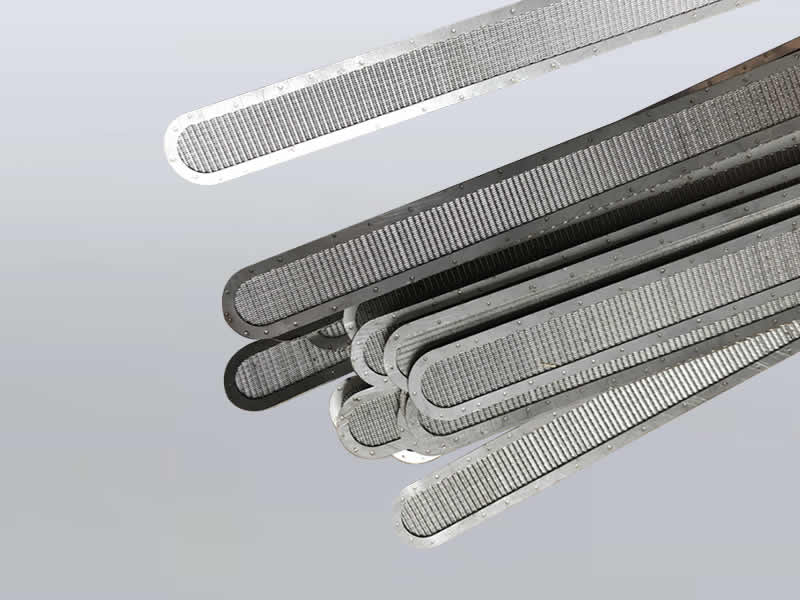
two mild steel kidney shaped extruder screen packs in dutch weave
EXS-5: Single layer kidney-shaped extruder screen for blown film process
two multi layer spot welded extruder screen with special shape
EXS-6: Multi-layer extruder screen packs of kidney-shape
View more product configurations
one round stainless steel spot welded extruder screen with support rings
EXS-7: Spot welded extruder screen with support rings on both sides
round plastic extruder screen with rim binder
EXS-8: Filter discs with outer metal frame
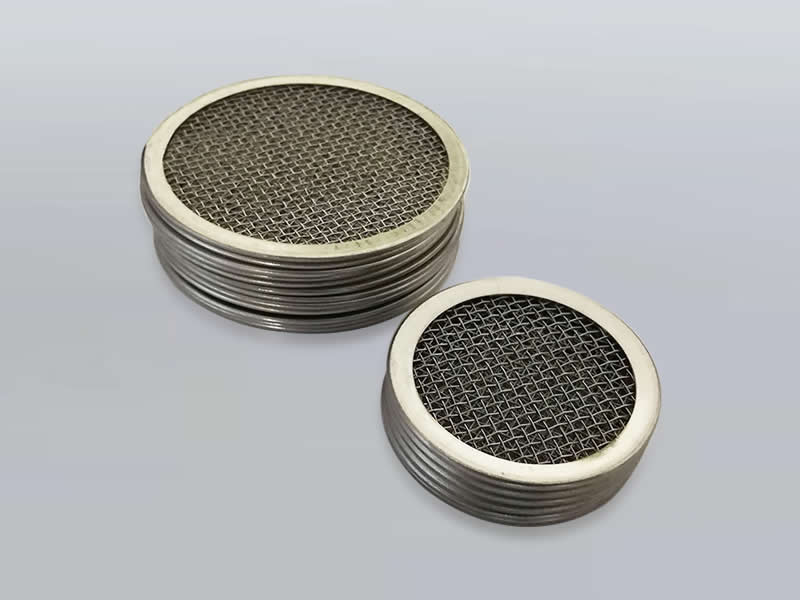
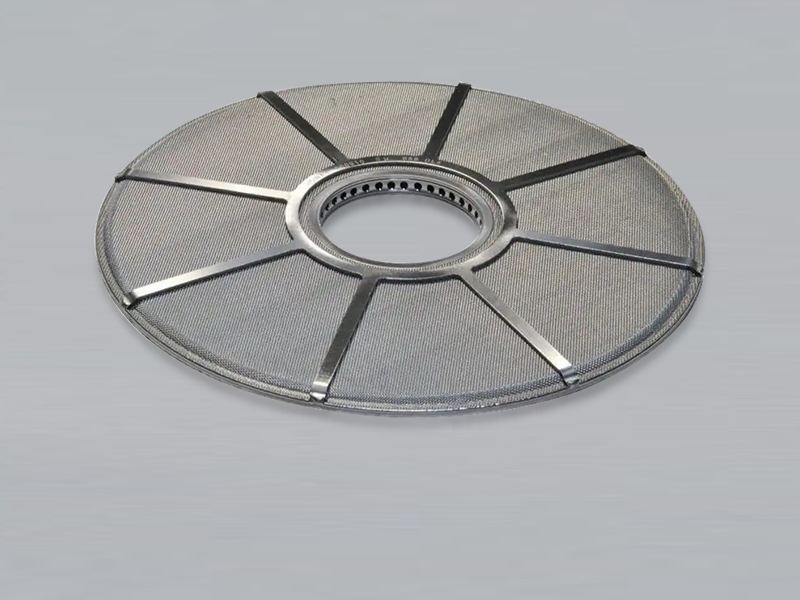
two piles of ring shaped stainless steel extruder screen
EXS-9: Extruder screen with center installation hole
one ring shaped stainless steel spin pack filter
EXS-10: Metal framed extruder screen in ring shape
four square-shape ss extruder screen with metal frame spot welded
EXS-11: Metal framed filter disc in square shape
several pieces of spin pack extruder screen with metal frame spot welded
EXS-12: Framed spin-pack screens for polymer fiber and nonwoven production.
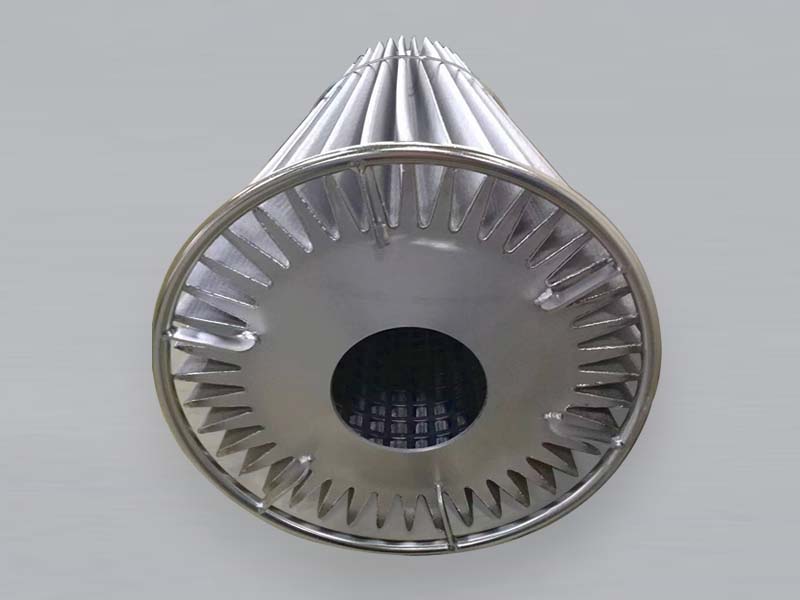
Pleated spin pack filter increased the filter area.
EXS-13: Pleated extruder screen in special shapes can be customized
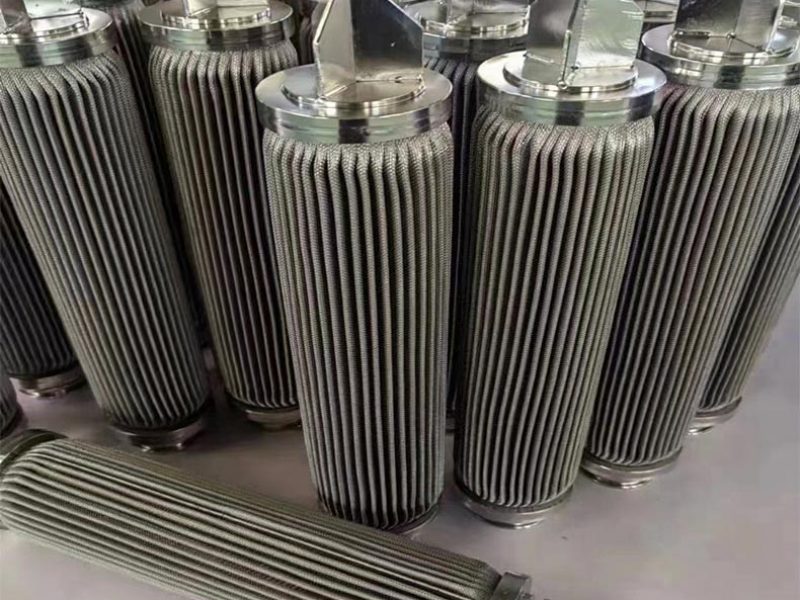
two stainless steel polymer filter candle  with pleated mesh
EXS-14: Related product — polymer filter candles for melt filtration. Select the image to view polymer filter elements.
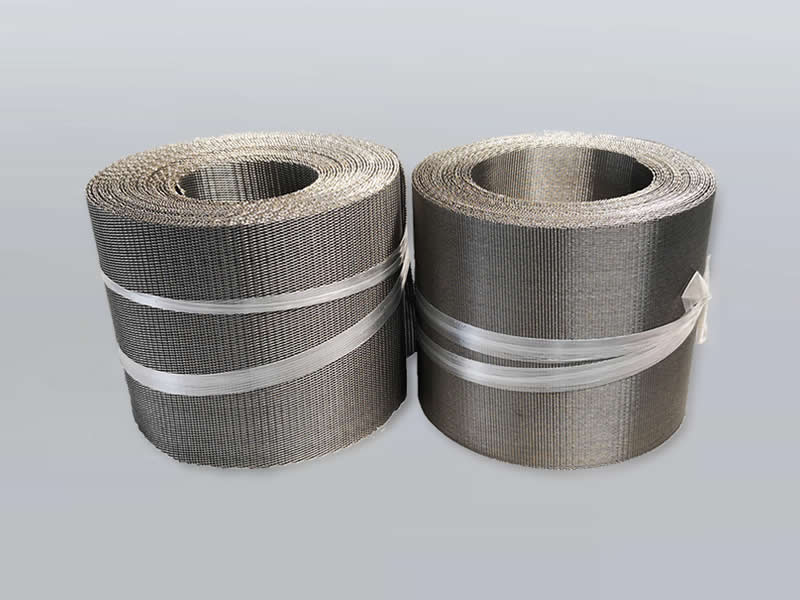
2rolls of stainless steel reversed dutch weave wire mesh belt filter screen
EXS-15: Reverse Dutch weave mesh belts for compatible continuous melt filtration equipment.

Extruder Screen Sizes, Materials and Edge Options

  • Round disc diameter: 20–900 mm. Other dimensions and shapes are made to drawing.
  • Single layers and screen packs with typically 2–5 layers.
  • Round, kidney-shaped, oval, rectangular, ring-shaped and other custom profiles.
  • Cut edges, peripheral spot welding or rimmed packs with aluminum or stainless steel frames; other frame materials are selected to the drawing and service.
  • Optional locating tabs, with position and dimensions specified for the screen changer or breaker plate.

Standard mesh materials include 304, 316 and 316L stainless steel. Other available grades include 321, 904L, duplex 2205 / 2507, Hastelloy C-276 and Monel 400. Carbon steel can be supplied for suitable lower-cost applications; copper or brass requires confirmation of compatibility.

Operating temperature is confirmed for the complete assembly, including mesh, frame, welds, polymer and cleaning process. Check those components and process conditions together when setting the screen-pack temperature requirement.

Multi-Layer Screen Packs and Breaker Plate Support

Single-layer screens can serve suitable low-contamination duties. Multi-layer gradient packs are available for recycled feed or applications requiring staged filtration and additional support. Pleated constructions increase filtering area where compatible with the equipment.

Illustrative layer order, in melt-flow direction: coarse 20/40 mesh layer → intermediate 60–80 mesh layer → fine 120–200 mesh layer → downstream 20–40 mesh support. The actual sequence and wire specifications must be agreed for the polymer, flow and breaker plate.

Use coarser layers to support the fine mesh, then check the layer order, wire specifications, breaker-plate support and differential-pressure limit together to address deformation and rupture risk. Spot welding helps retain the agreed layer order; rimmed packs hold the layers and provide an installation interface. Bypass control also depends on edge dimensions, flatness and the equipment fit.

Differential Pressure and Screen Change Decisions

Increasing differential pressure can indicate contamination loading, but melt viscosity, temperature and throughput also affect resistance. Excessive differential pressure can push fine mesh into breaker-plate holes, leading to rupture and metal contamination.

Allowable differential pressure and the change-screen threshold are confirmed for screen diameter, layers, weave, wire dimensions, support geometry, polymer and temperature. There is no universal pressure limit for all screen packs. Follow the agreed equipment limits and change the screen before the approved threshold is exceeded.

Specification of Filter Mesh Belt (EXS-15 Reversed dutch weave filter belts)
CodeMesh CountWire DiameterFiltrationWidthLength per Roll
WarpWeftWarp(mm)Weft(mm)(um)(mm)(m)
EXS15-04801048100.5 0.0540097-40010/20
EXS15-07201572150.45 0.5525097-40010/20
EXS15-132014132140.355 0.4525097-40010/20
EXS15-132018132180.355 0.4520097-40010/20
EXS15-152024152240.27 0.413097-40010/20
EXS15-260040260400.150.25 7597-40010/20
EXS15-320040320400.150.35597-40010/20
EXS15-4001204001200.060.16097-40010/20
STANDARD EXTRUDER SCREEN SPECIFICATION - WOVEN MESH LAYERS
CodeMESHWIRE DIA. MMWIRE DIA. INCHAPERTURE SIZE MMAPERTURE SIZE INCHOPEN AREA %
EXS-PW01007110 X 100.7110.0281.8290.07251.8
EXS-PW01404614 X 140.4570.0181.3570.05355.9
EXS-PW01604616 X 160.4570.0181.1310.04550.7
EXS-PW02005620 X 200.5590.0220.7110.02831.4
EXS-PW02004820 X 200.4570.0180.8130.03241
EXS-PW02403824 X 240.3760.0150.6820.02741.4
EXS-PW03003830 X 300.3760.0150.5310.02134.2
EXS-PW03003130 X 300.310.0120.5360.02140
EXS-PW04002740 X 400.2740.0110.3610.01432.3
EXS-PW05001950 X 500.1930.0080.3350.01343.6
EXS-PW06001960 X 600.1930.0080.230.00929.8
EXS-PW08001280 X 800.1220.0050.1960.00837.9
EXS-PW100010100 X 1000.1020.0040.1520.00636
EXS-PW120009120 X 1200.0910.0040.120.00531.8
EXS-PW150007150 X 1500.0710.0030.0880.00329.6
EXS-PW200005200 X 2000.050.002380.0770.00336.76
EXS-PW250004250 X 2500.040.0020.0620.00236.76
EXS-TW300040300 X 3000.040.0020.0450.00227.83
EXS-TW325035325 X 3250.0350.0010.0430.00230.49
EXS-TW400028400 X 4000.0280.0010.0360.00131.25
EXS-TW500025500 X 5000.0250.0010.0260.00125.79

Weave Types and Nominal Filtration Rating

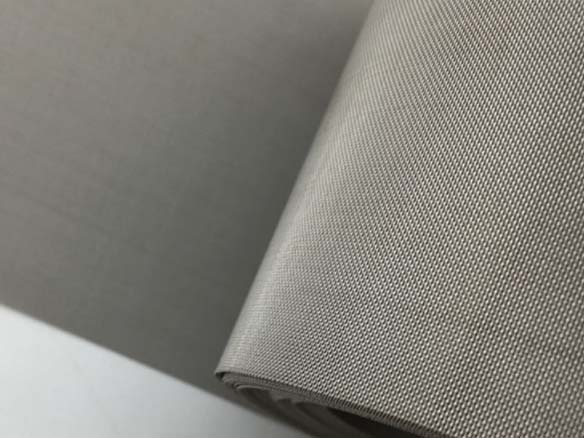
Available woven media include plain weave, twill weave, Dutch weave and reverse Dutch weave (RDW). Reverse Dutch weave is available for continuous filtration belts and applications requiring suitable mechanical stability. Sintered mesh can be incorporated as a layer for selected higher-demand constructions.

Common mesh counts include 20–500 mesh, depending on the weave and wire specification. For square-opening mesh, theoretical aperture depends on mesh count and wire diameter. Dutch weave and RDW micron values are nominal ratings for the specified mesh, not a direct conversion from one mesh-count number.

Specify the nominal rating with its weave construction; if an ISO 16889 beta-ratio absolute rating is required, identify the separate test evidence needed. Provide the weave, wire dimensions and rating requirement for each layer rather than specifying a micron value alone.

Manufacturing and Inspection

  • Outside dimensions, thickness and locating-tab position against the approved drawing.
  • Mesh wires, weave structure, number of layers and flow-direction layer order.
  • Spot welds, rim appearance, burrs and edge flatness.
  • Material identification against the agreed certificates.
  • Optional bubble-point testing when agreed with the customer, with a specified procedure and acceptance criterion.

Tolerances are defined in the drawing or order. Bubble-point testing characterizes the wetted porous structure under the test conditions; it does not by itself validate melt filtration efficiency or establish a beta-ratio rating.

Polymer Melt Filtration Applications

  • PP, PE, PET, PA and PC processing, subject to the selected mesh and operating conditions.
  • Masterbatch and recycled plastic, including post-consumer recycled (PCR) feed.
  • Rubber compounds and compatible coating melts.
  • Blown film and BOPP film processing.
  • Polymer fiber, yarn and monofilament production.
  • Spunbond and other polymer nonwoven production.

Cleaning, Reuse and Service Life

Screen packs may be cleaned where their construction and condition permit. Controlled thermal or pyrolysis cleaning can remove polymer residues, followed by a suitable cleaning process. Temperature, atmosphere and treatment time must suit the polymer, mesh, welds and frame. Abrasive blasting is not a default treatment for fine mesh.

Alkaline or ultrasonic cleaning requires confirmation of compatibility with every assembly material. After cleaning, inspect for wire deformation, broken mesh, damaged welds, frame distortion and residual contamination before reuse. Fine RDW mesh can deform after repeated cleaning; some high-contamination applications use packs once and replace them.

Use contamination, melt properties, throughput and the agreed pressure limit to set screen-change criteria. After cleaning, base reuse on the inspected condition of the mesh, welds and frame.

Extruder Screen and Screen Pack FAQ

What is the difference between an extruder screen and a screen pack?

A screen can be a single mesh layer. A pack combines specified filtering and support layers, commonly held by spot welds or a rim.

Does mesh count convert directly to microns?

No. Square-opening aperture also depends on wire diameter. Dutch weave and reverse Dutch weave require their own specified nominal rating.

Why should I specify each layer?

Layer order, weave, wire dimensions and material determine both filtration and support. A micron value alone does not define a replacement pack.

What causes a screen pack to fail under pressure?

Excessive differential pressure, inadequate support, incorrect layer order or poor equipment fit can contribute to deformation, bypass or rupture.

Can extruder screens be cleaned and reused?

Yes, where the assembly and condition allow it. Inspect after cleaning; replace damaged packs. High-contamination duties may favour single use.

Can you supply a replacement for an existing screen changer?

Yes. Provide a drawing or sample, layer specifications, equipment identification and breaker-plate details for compatibility review.

Send Your Drawing, Specification or Sample Photos

Send the drawing or existing specification you have, together with the quantity and the parts you need. Sample photos and main dimensions are a useful starting point when a drawing is unavailable.

If you are still defining the product, briefly describe its intended use. We will clarify the additional manufacturing and inspection details with you.

Contact Alloyfilter about this product

Related Products

QUESTIONS? MESSAGE US NOW!