FILTALLOY

TECHNOLOGY LTD.

Metal Filter Elements & Materials

Custom Wire Mesh Filters

Filtalloy manufactures custom wire mesh filters for liquid and gas filtration. Ordinary woven metal wire mesh is the main filtering medium, with single-layer, multilayer and perforated-support constructions available. Cylinders, discs, domes, sleeves, formed parts and molded-frame filters can be produced to your drawing or sample.

We use stamping, shearing, micro-welding and CNC turning and milling to make mesh parts, supports and fittings. Tooling is developed around the agreed dimensions and assembly requirements.

Construction options

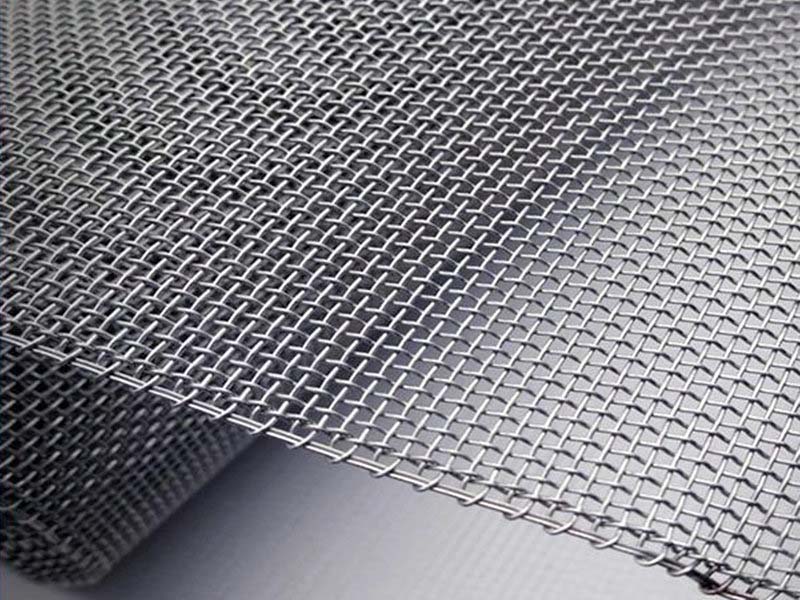
  • Plain, twill and Dutch woven mesh, selected for the particle target and flow requirements.
  • Single-layer mesh or multilayer combinations with protective and support layers.
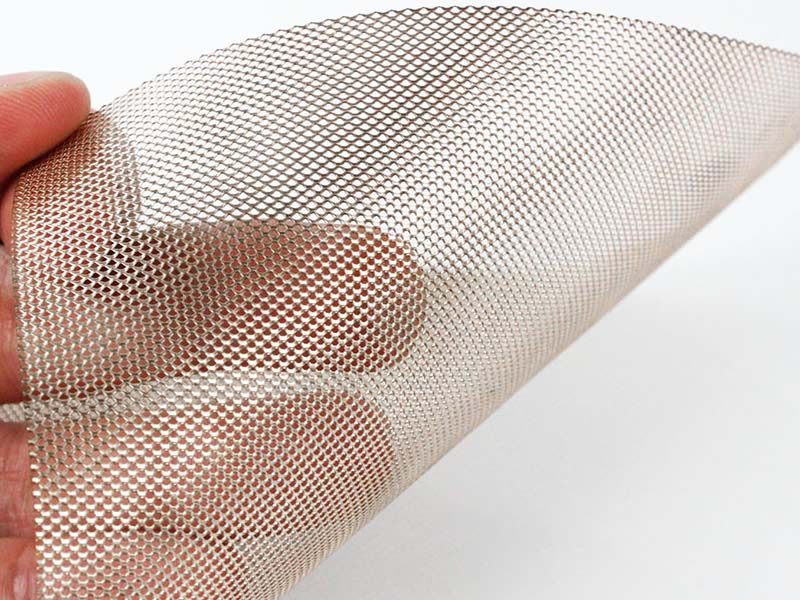
  • Perforated metal supports where the element needs additional strength.
  • Metal rims, flanges, welded seams, formed ends and custom connections.
  • Plastic edging or encapsulation and rubber frames, selected for the medium, temperature and sealing requirements.
  • Cleanable constructions, with inspection and replacement limits agreed for the application.

Materials, mesh opening and operating limits

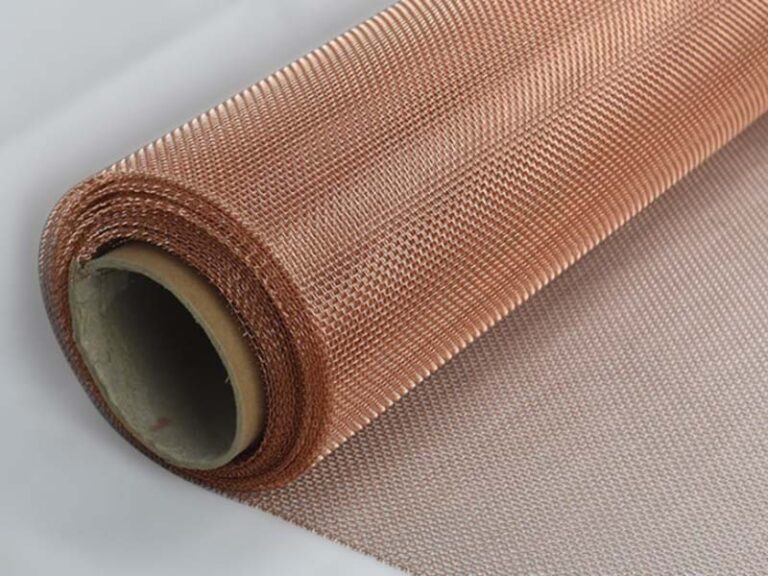
Material options include stainless steel, brass and copper. Stainless steel and special-alloy options can be reviewed using the material choices offered for our sintered mesh filter elements; the filtering medium on this page is ordinary woven mesh. Specify the exact metal grade and any plastic or rubber components.

Mesh opening / nominal filtration range: 10–2000 μm. For square woven mesh, specify the opening and wire diameter or mesh count. Dutch woven mesh uses a nominal filtration rating based on its weave specification. These values do not establish an ISO 16889 beta-ratio absolute rating or guarantee complete particle retention.

Allowable differential pressure and temperature are confirmed per project. Material, mesh layers, dimensions, support, welds, pressure direction, medium and plastic or rubber parts all affect the finished element’s limits. Provide both system pressure and differential pressure across the filter.

Wire mesh filter shapes and product examples

The examples below show our existing product forms. Dimensions, mesh specifications, supports and end details can be adapted to the agreed drawing.

several pieces of stainless steel wire mesh filters with different dimensions
one stainless steel cylindrical mesh filter with overlapping welding seam

WMF-1 Cylindrical mesh filter without connector

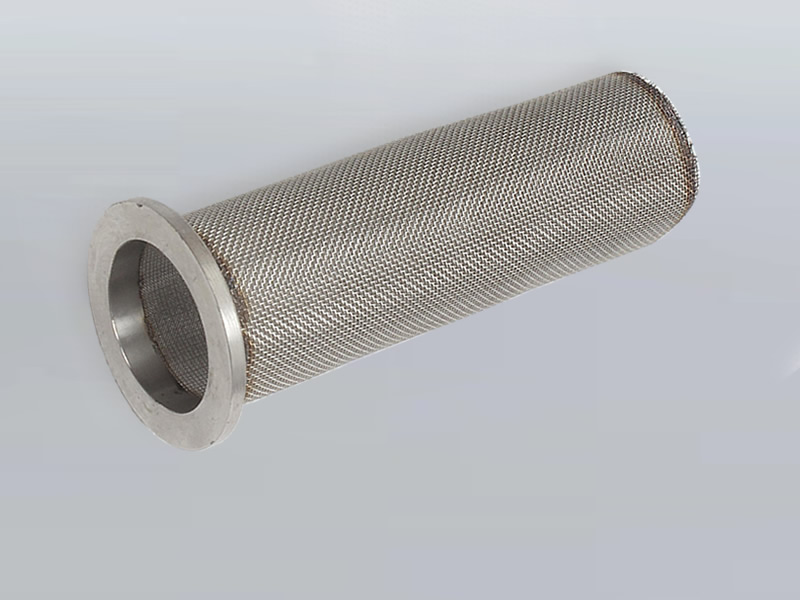
WMF-2 Wire mesh filter tube with flange at one end

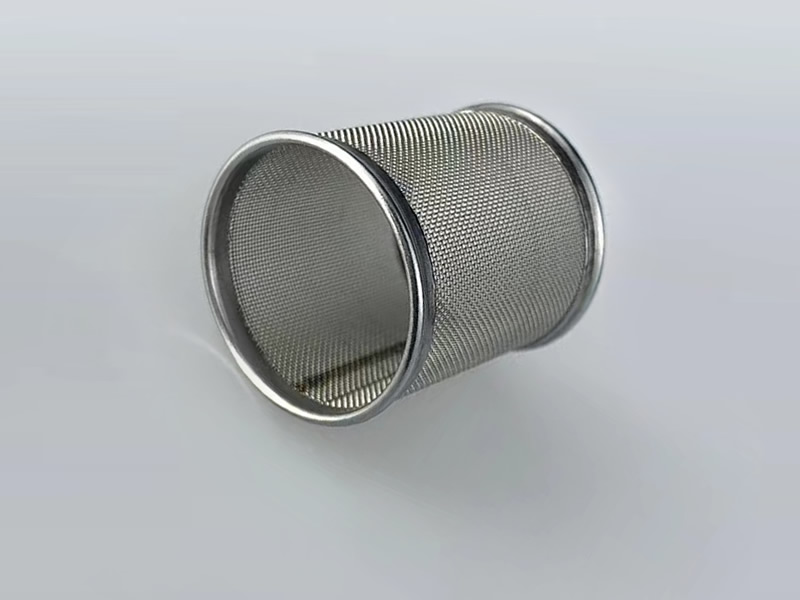
WMF-3 Stainless steel wire screen filter mesh with stainless steel frame at both ends

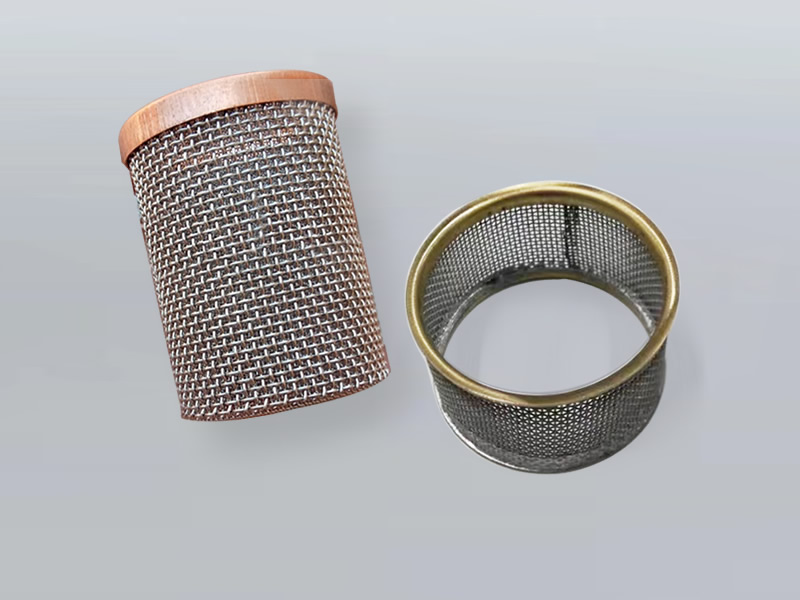
two stainless steel wire mesh filter with brass and copper frame

WMF-4 Stainless steel wire mesh filters with brass or copper frame at one end

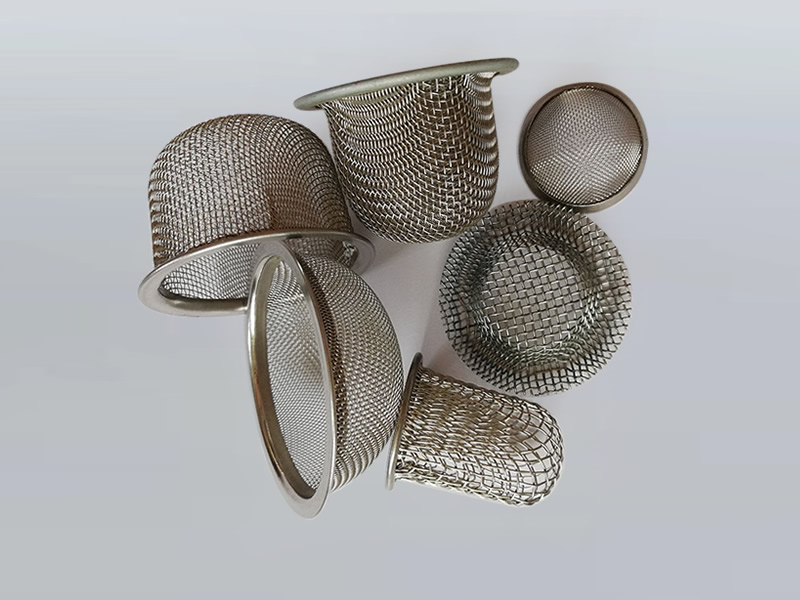
WMF-5 Stainless steel formed wire mesh filters with ss rim and different shapes

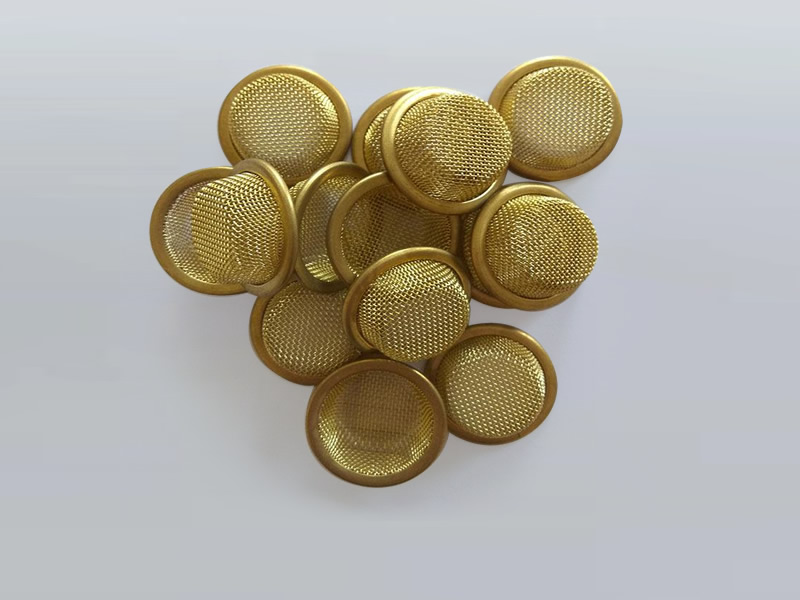
several pieces of dome shape brass wire mesh filter with brass frame

WMF-6 Brass dome wire mesh filters with brass rim to keep robust shape

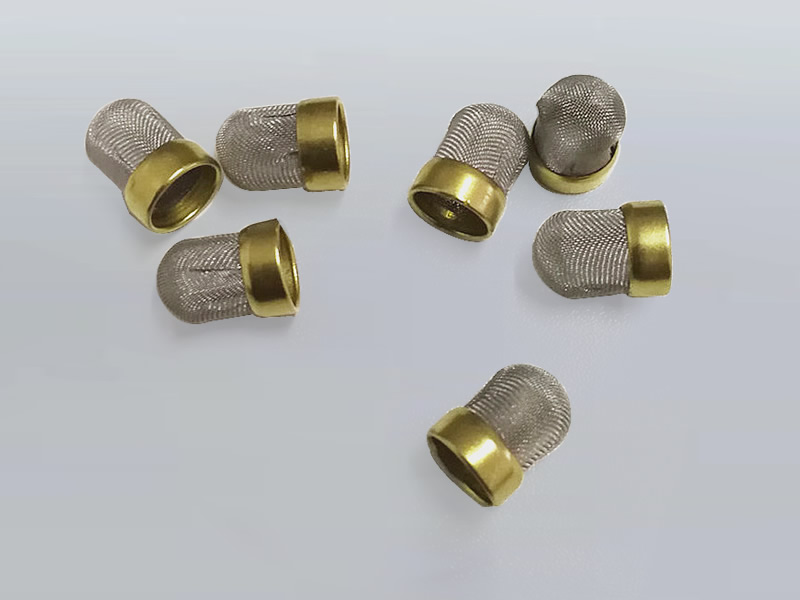
seven pieces of stainless steel small thimble mesh filter with brass rim at one end

WMF-7 Stainless steel thimble mesh filter with brass rim at one end and another end round

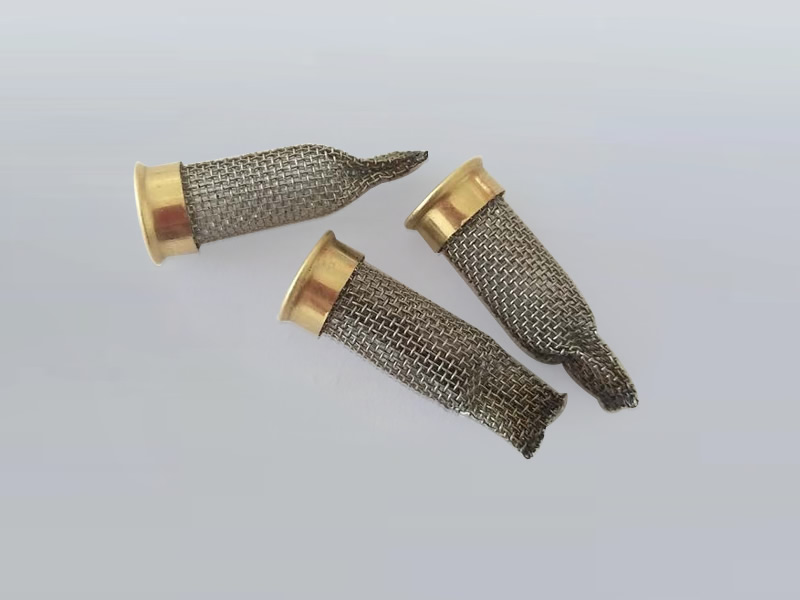
three pieces of ss304 metal mesh filter with brass rim at one end and another end clamped flat

WMF-8 Stainless steel mesh filter with brass rim at one end and another end clamped

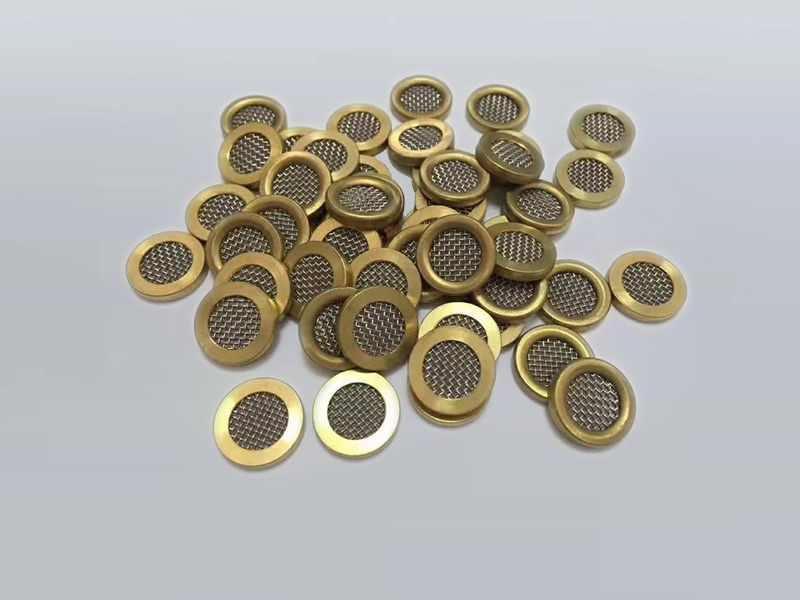
several pieces of wire mesh filter disc with brass frame to prevent wires loose

WMF-9 Stainless steel wire mesh filter disc with brass rims for excavator

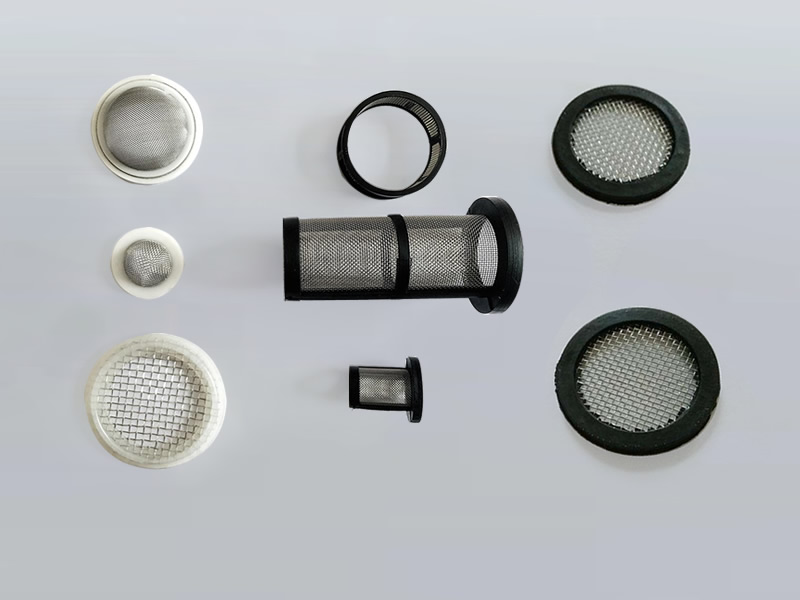
several pieces of wire mesh filter element with plastic frame with different shape and dimensions

WMF-10 Wire mesh filters with molded frames; plastic and rubber options are available to suit the application.

Wire mesh filter fabrication: semi-finished parts

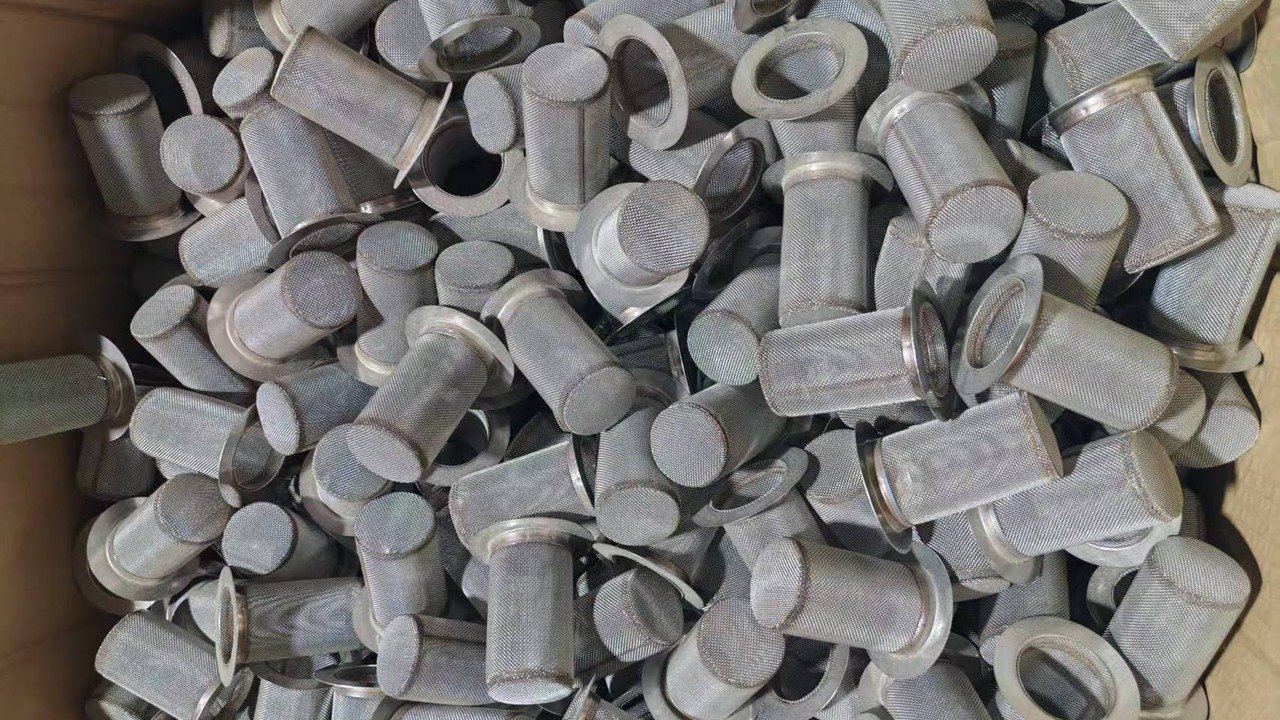
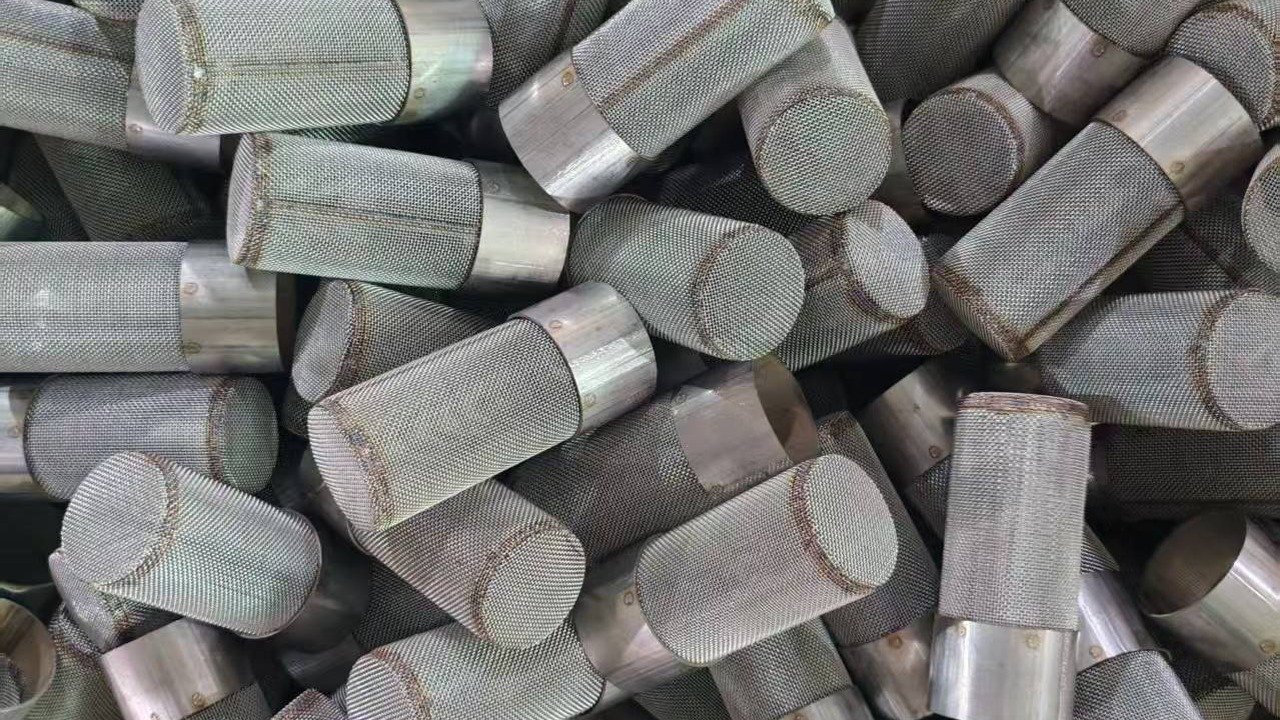
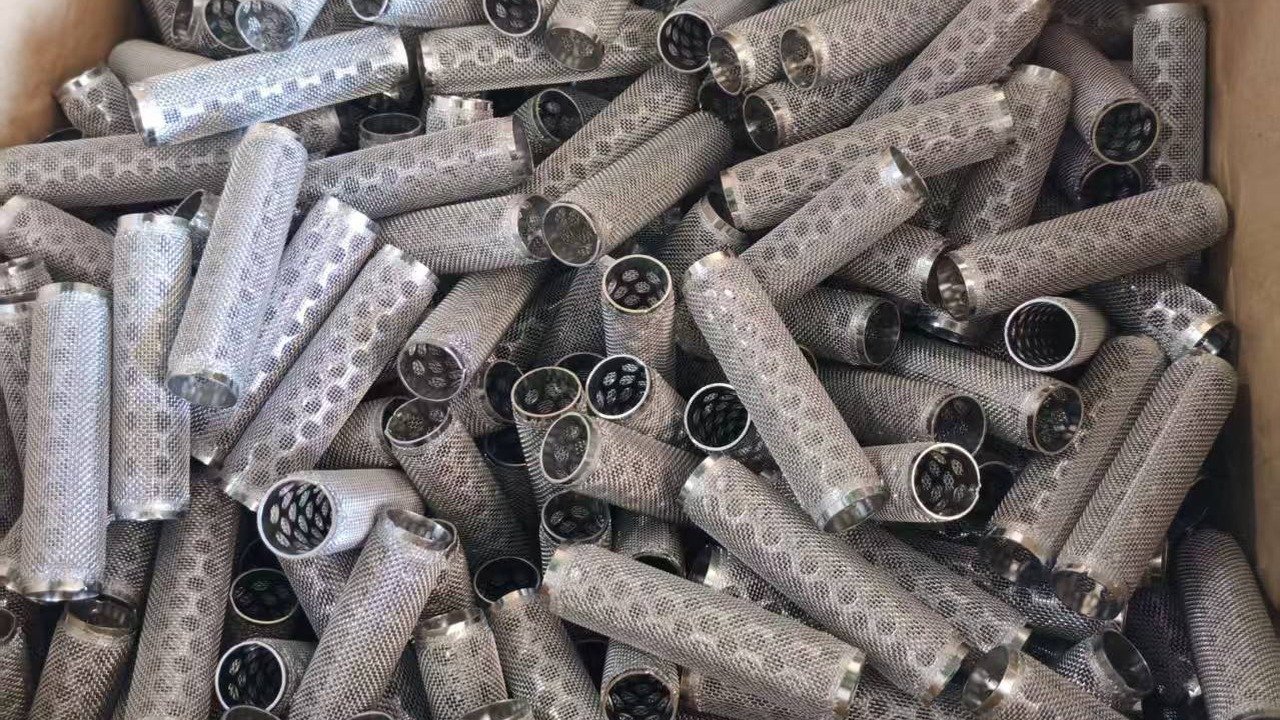
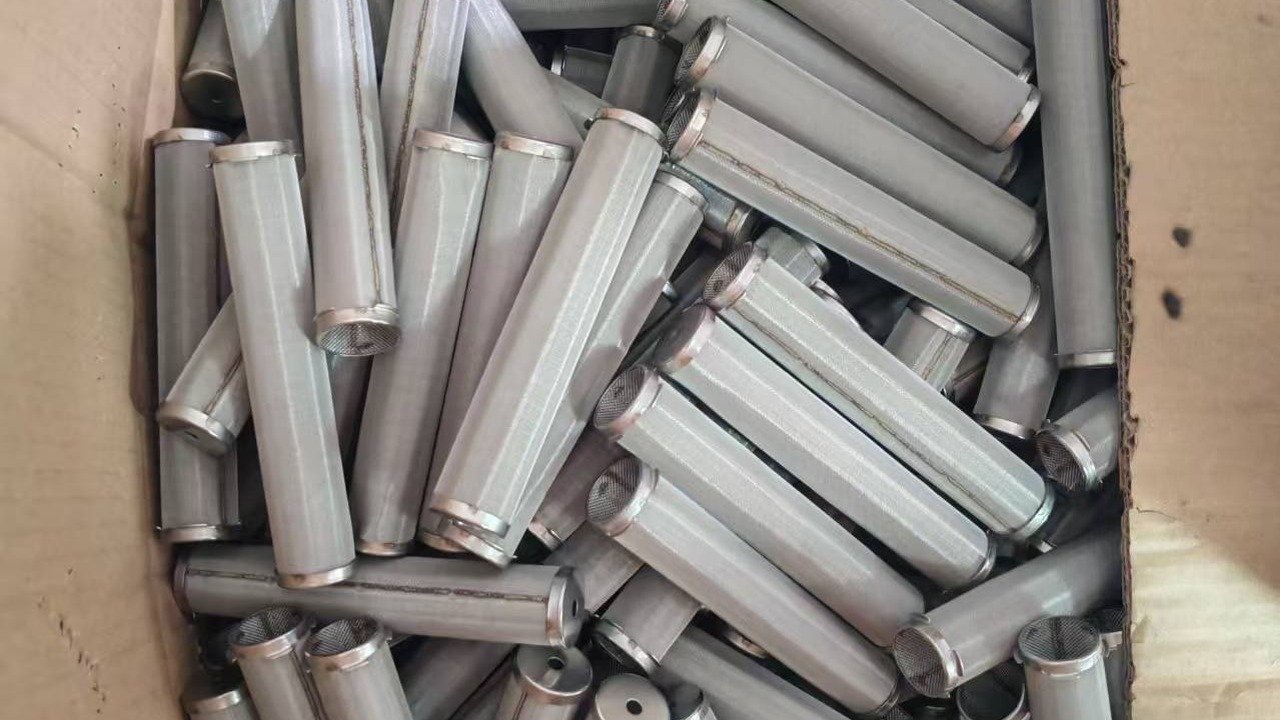
These factory photographs show parts during fabrication. They are semi-finished components, before completion and final inspection, and do not represent a sequence of manufacturing stages.

Semi-finished flanged wire mesh parts during fabrication.

Semi-finished flanged wire mesh parts during fabrication.

Semi-finished wire mesh cups with metal sleeves.

Semi-finished wire mesh cups with metal sleeves.

Semi-finished mesh cylinders with perforated supports.

Semi-finished mesh cylinders with perforated supports.

Semi-finished fine-mesh cylinders with seams and end rings.

Semi-finished fine-mesh cylinders with seams and end rings.

Liquid and gas applications

Liquid duties include water and wastewater, lubricating and hydraulic oils, fuel oils, solvents and chemical process liquids. Selected constructions can also serve as coarse filters for polymer melts. Gas duties include air, fuel gas, synthesis gas and compressed-air prefiltration; confirm the particle target, corrosion conditions and pressure requirements for each service.

  • Hydraulics and lubrication: oil prefiltration for machinery and excavators, using the specified disc or cylindrical construction.
  • Oil and gas: removal of solid particles from fuel, oil and process liquids to help protect pumps, heat exchangers and downstream equipment.
  • Chemicals and pharmaceuticals: particle interception in streams containing catalyst fines, crystals or other process solids; required retention and validation must be agreed.
  • Water treatment: prefiltration to protect membranes, nozzles and pumps.
  • Food and beverages: process-liquid filtration where material, finish and applicable food-contact requirements are confirmed.
  • Automotive and appliances: fuel, transmission, breather and appliance filter components.
  • Plastics: coarse melt filtration and recycled-material processing; see our extruder screens and screen packs for dedicated melt-filter constructions.

Cleaning, reuse and replacement

Select a cleaning method compatible with the contaminant, fine mesh, welds, support and any molded components. Reverse-flow flushing or backwashing is possible for suitable structures. Online cleaning requires a compatible housing, valves and flow arrangement; the mesh element alone does not provide automatic cleaning.

  • Water or steam flushing: begin at low pressure and use only an agreed pressure and temperature.
  • Compatible solvent or detergent soaking with gentle soft-brush cleaning for oily deposits.
  • Compressed-air reverse cleaning where suitable for the gas duty and element construction.
  • Short, low-power ultrasonic cleaning for suitable small or precision parts.
  • Controlled thermal or pyrolysis cleaning only for compatible all-metal elements contaminated with polymer; confirm the alloy and procedure first.

Inspect the mesh, seams, rims and seals after cleaning. Repeated cleaning can loosen or deform fine mesh and change its openings. Replace damaged elements or those that no longer meet the agreed specification. High-contamination or abrasive services may require scheduled replacement; unlimited reuse is not promised.

Manufacturing inspection

  • Dimensions: outside and inside diameters, height, flange hole spacing, rim height and closure or clamping details against the drawing.
  • Welds: uniform spot or seam welds, checked for weak or missed welds, separation and burn-through.
  • Edges: cut edges, folds and weld areas checked for sharp burrs and projections.
  • Mesh and layers: mesh specification, weave, layer count and sequence; checks for broken wires, misalignment and irregular openings.
  • Materials: metal grade checked against available material certificates; plastic and rubber specifications checked against the agreed component requirements.

Custom manufacture and replacement

Design for a new application

Provide the medium, particle target, flow, temperature, system pressure, allowable differential pressure, installation space and cleaning method. We review the mesh, support, shape and connections before agreeing the drawing and checks.

Manufacture to drawing

Send your drawing and specify each mesh layer, material, tolerances, supports, seams, end fittings and molded parts. Replacement filters are manufactured to the agreed specification.

Recreate from a sample

An existing sample can help establish dimensions, mesh construction and fittings. A used sample may not reveal its original material grade or filtration performance, so uncertain requirements must be confirmed.

Wire mesh filter FAQ

Are these filters made from sintered mesh?

This page primarily covers ordinary woven wire mesh, in single-layer or multilayer constructions, optionally with perforated supports. Sintered mesh elements are a separate product option.

Does a micron value guarantee that every particle of that size is retained?

No. A mesh opening or nominal rating does not establish absolute retention efficiency. Define the required performance and test method when ordering.

Can you provide plastic and rubber frames?

Yes. Plastic edging or encapsulation and rubber frames are available. Specify the material, geometry, medium and temperature so compatibility can be reviewed.

Can wire mesh filters be cleaned and reused?

Suitable elements can be cleaned using an agreed procedure, then inspected before reuse. Damaged, loose or deformed mesh must be replaced.

What pressure and temperature can a filter withstand?

The limits depend on the complete element and application. Send the operating conditions, pressure direction and drawing for confirmation; there is no single rating for every product form.
Inquiry for Our Product

Send a drawing, an existing sample or operating requirements. Include dimensions and tolerances, each layer’s mesh specification and material, support and end details, plastic or rubber grade if required, medium, flow, temperature, system pressure, allowable differential pressure, cleaning method and quantity.

Related Products

Products

Request A Quote

Complete our interactive form to receive a custom quote based on your needs.

Get Catalogs

QUESTIONS? MESSAGE US NOW!