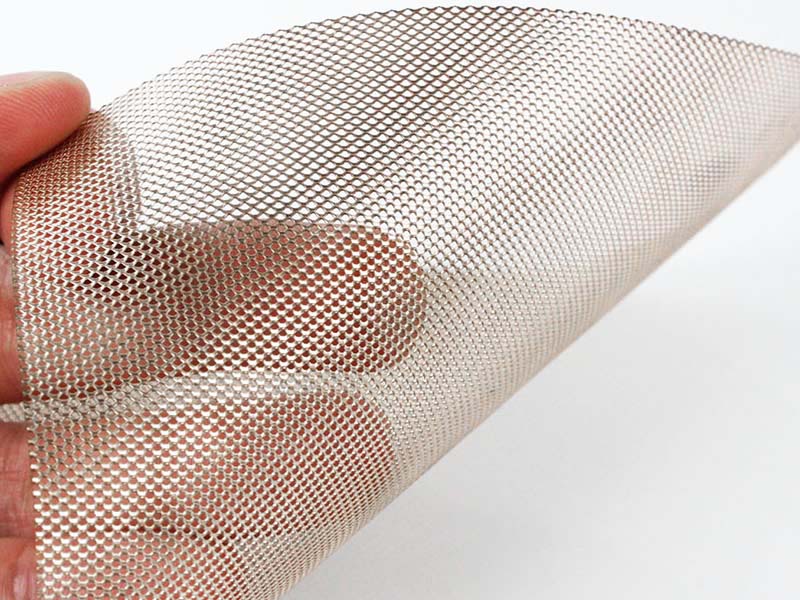
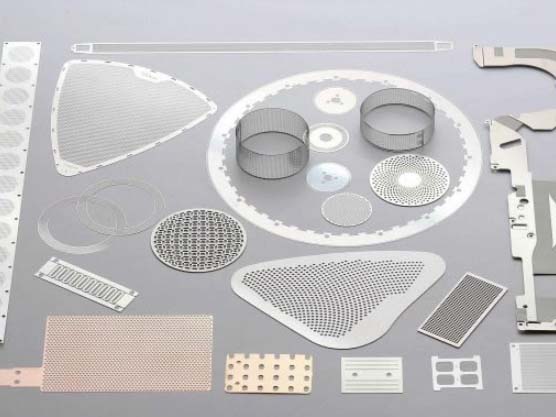
Custom Perforated Metal Sheets and Plates
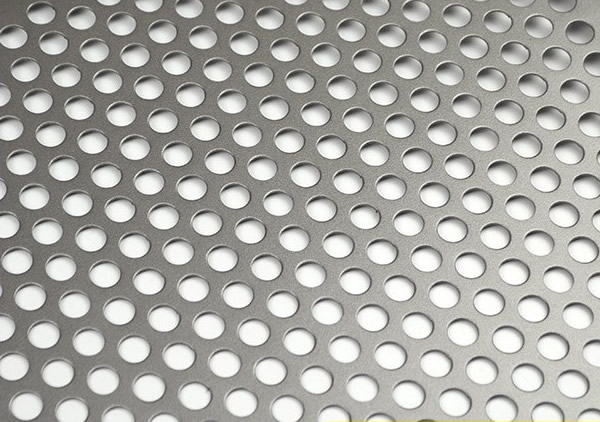
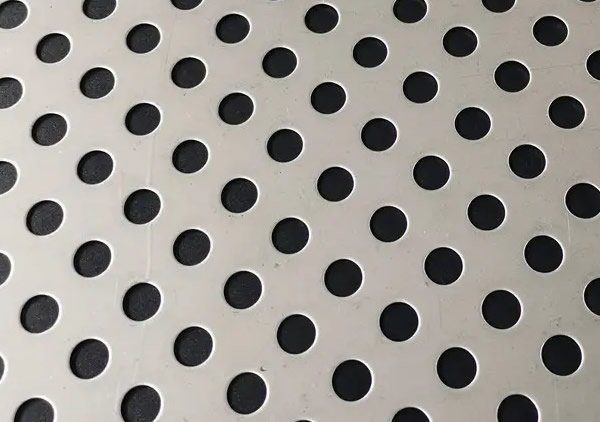
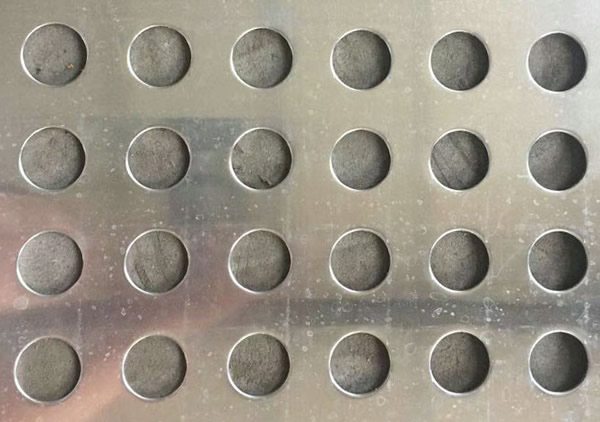
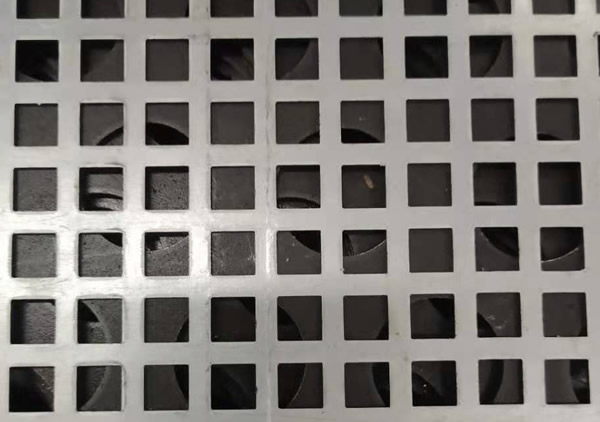
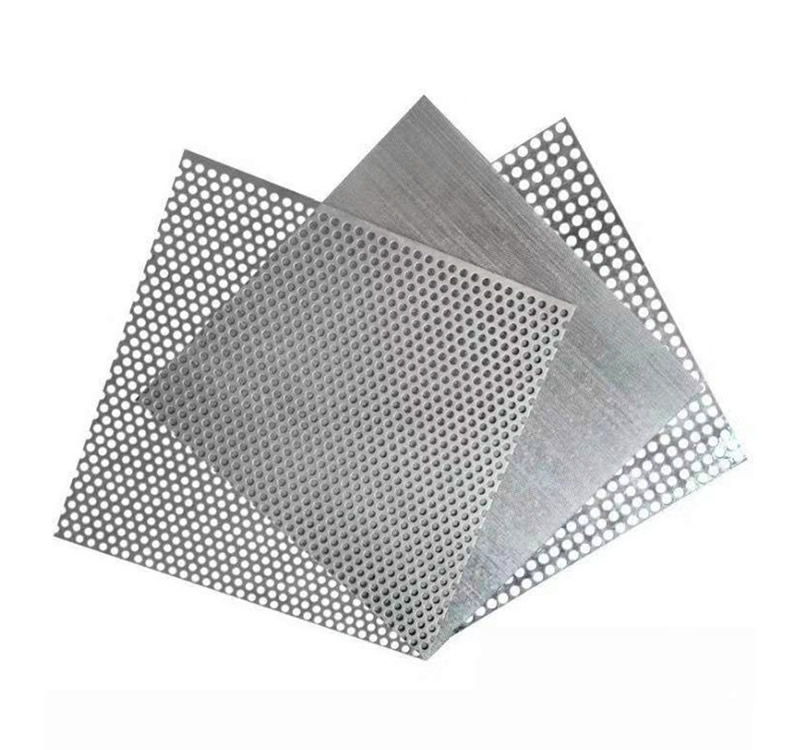
Filtalloy supplies custom perforated metal sheets and plates for filtration supports, screening, ventilation, acoustic components and architectural applications. Holes are produced by punching or laser cutting, with material, thickness, hole shape, pitch, margins and finished dimensions specified for the project.
Perforated metal can support or protect finer mesh and filter media, or provide screening through its own openings. Hole size is a geometric opening, not an absolute filtration rating. Strength, flow and pressure loss depend on the complete pattern, material and assembly.
Custom perforated metal options
- Flat sheets, discs, special-shaped parts, trays, coils, protective-film sheets and corrugated panels.
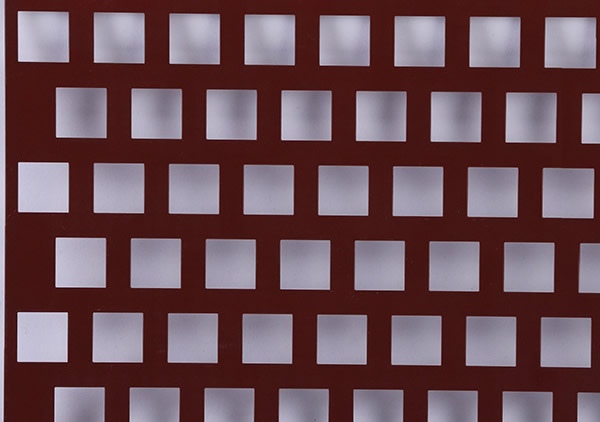
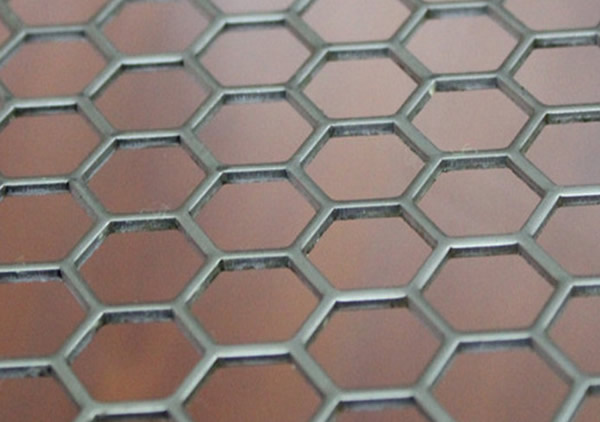
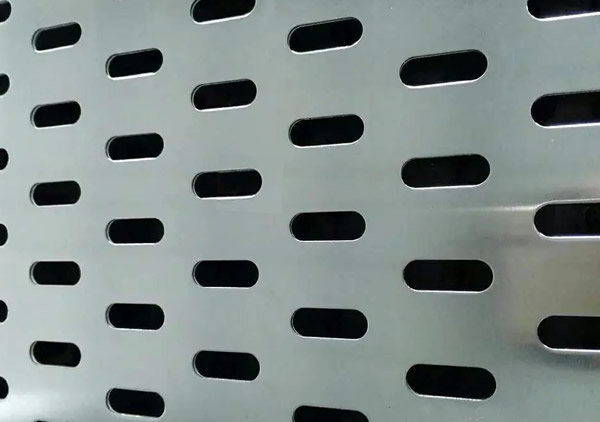
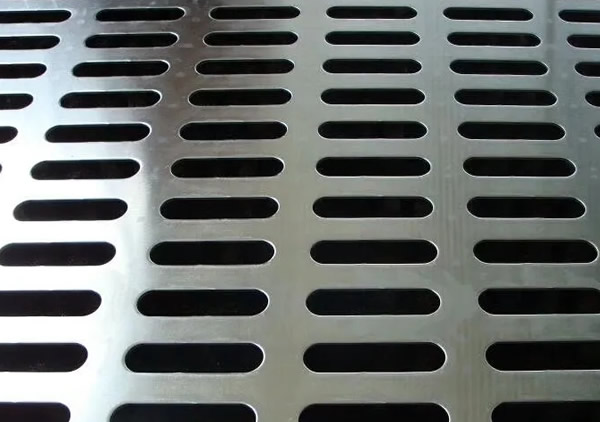
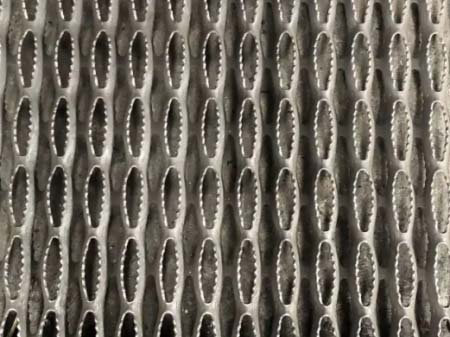
- Round, square, slotted, hexagonal, decorative, embossed, louvered and anti-slip patterns.
- Custom hole arrangements, unperforated margins, mounting holes and edge-cut requirements.
- Punched or laser-cut designs, with manufacturing feasibility reviewed before production.
- Material and surface options selected for the intended indoor, outdoor or process environment.
Applications of perforated sheets and plates
- Support or protective components in air filters, including HEPA assemblies; perforated metal alone does not provide HEPA filtration performance.
- Exhaust and ventilation components.
- Perforated bases or components for conveyor systems.
- Muffler and acoustic components; sound performance depends on the complete assembly.
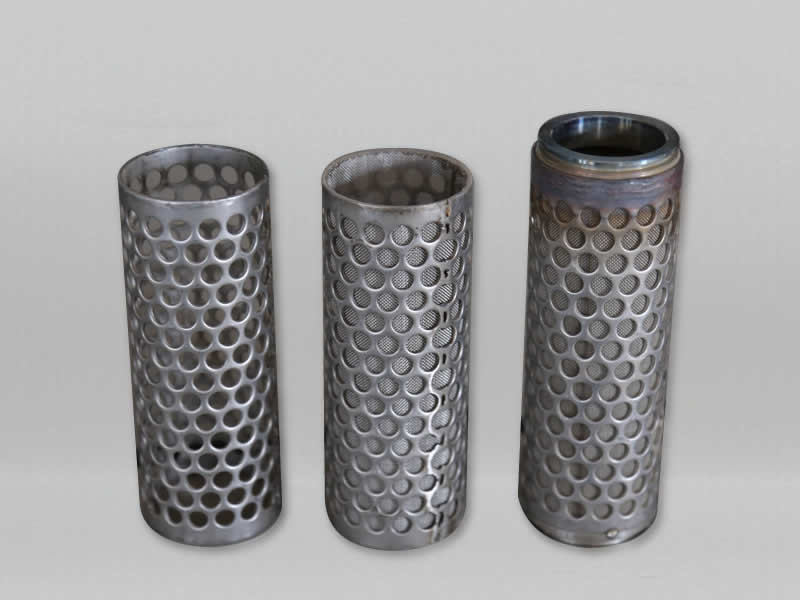
- Supports for bag filters, pleated mesh filters and vibratory separators.
- Wastewater, dewatering and dredging equipment.
- Screening plates for mining and coal processing.
- Filtering, drying and baking trays for food and beverage processing, with material and contact requirements confirmed.
- Radiator guards and debris protection.
- Drainage, stair and floor components, with loading and slip requirements confirmed for the design.
- Furniture components.
- Components for dust and noise control systems.
- Decorative building cladding.
Perforated sheet dimensions and hole specifications
- Standard sheet sizes: 2000 × 1000 mm and 2440 × 1220 mm; other dimensions are made to drawing.
- Thickness: 0.4–8 mm, subject to material and manufacturing method. Thickness range varies by material; for titanium and high-alloy plates, confirm on request.
- Round holes: typically 1–20 mm. Smaller or larger openings are reviewed against material, thickness, tooling and process.
- Slotted holes: slot width, length, orientation and pitch are confirmed per drawing.
- Margins and edges: specify each unperforated border, mounting hole and whether the cut edge passes through holes or leaves complete holes.
Punching and laser-cutting limits
For conventional punched round holes, a hole diameter approximately equal to or greater than sheet thickness is a common manufacturing guideline. Feasibility still depends on material, tooling and pattern. Laser cutting can be reviewed for smaller openings or non-standard geometry; a single minimum hole size does not apply to every alloy and thickness.
Perforated metal materials
Common materials / regular supply
- Stainless steel 304
- Stainless steel 316
- Stainless steel 316L
- Plain carbon steel
- Galvanized steel
- Aluminum
Materials sourced to order — confirm availability
- Stainless steel 309
- Stainless steel 310S
- Titanium
- Inconel alloys
- Hastelloy alloys
- Monel alloys
- Copper
- Brass
Specify the exact grade, material condition and required certificate. Alloy-family names alone do not define composition or suitability for a particular medium.
Surface finishes and protection
Available stainless steel sheet surface conditions include 2B, BA, No.1, No.4, 8K and hairline (HL). Electropolishing is also available. Carbon steel options include protective oil, hot-dip galvanizing, powder coating and paint. Anodizing is available for aluminum, and protective film can be supplied where appropriate.
Confirm the substrate, coating or finish specification, processing sequence and acceptance requirements. Starting-sheet finish and treatment of punched or cut edges should be specified separately.
Perforated metal hole patterns
All 18 patterns below remain available for custom supply. Select the hole shape, opening dimensions, pitch and arrangement together; embossed, louvered and anti-slip features also require their formed profile to be specified.
PS1: Round hole – 60 degree staggered
PS2: Round hole – 45 degree staggered
PS3: Round hole – Straight Line
PS4: Square hole – Straight Line
PS5: Square hole – Staggered Line
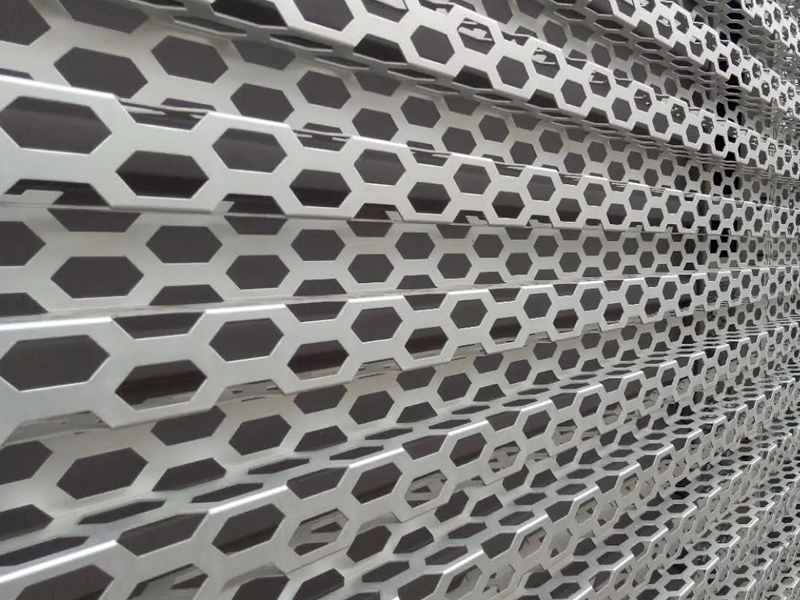
PS6: Hex hole – Staggered line
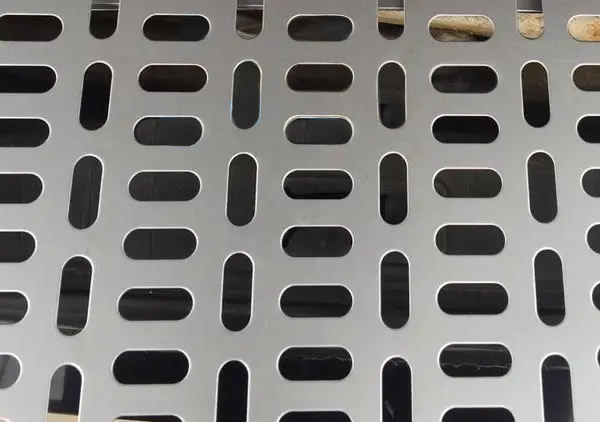
PS7: Slot hole – Side staggered
PS8: Slot hole – End staggered
PS9: Slot hole – Straight Line
PS10: Slot hole – Decorative Pattern
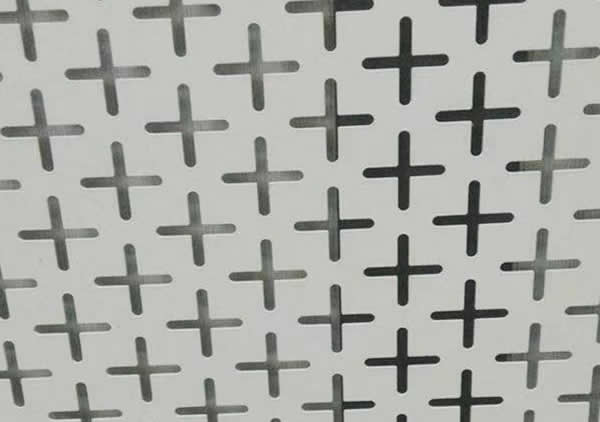
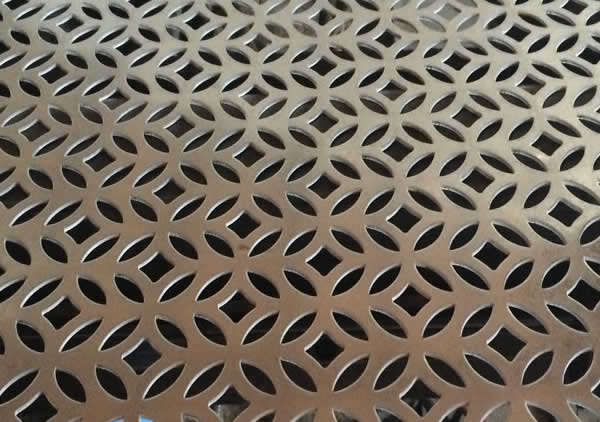
PS11: Crossing Hole – Staggered
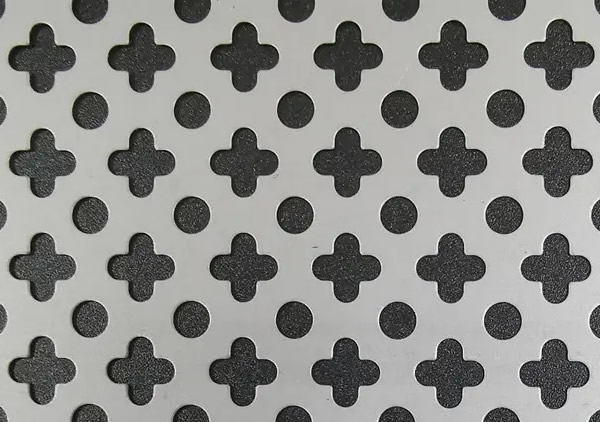
PS12: Clover & Round Hole
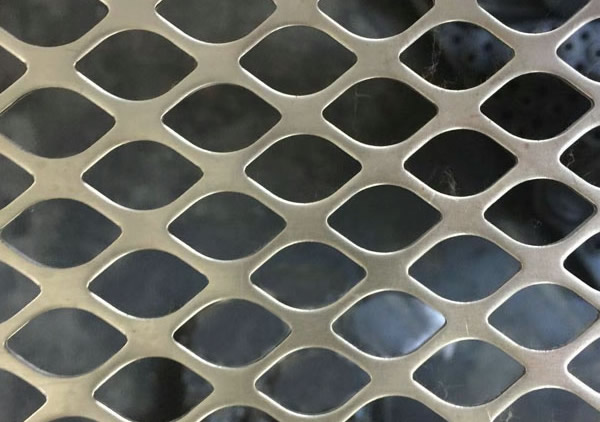
PS13: Diamond Hole
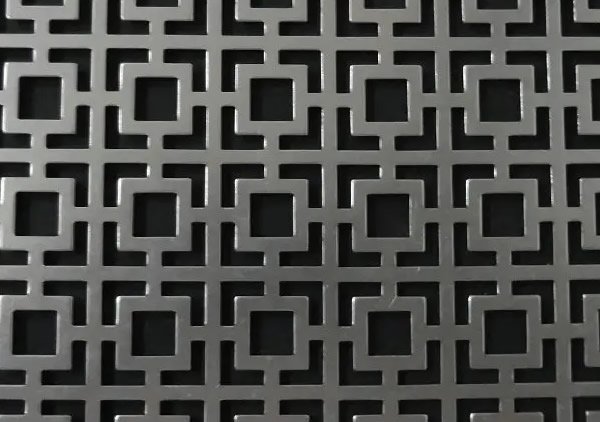
PS14: Square Decorative Hole
PS15: Bespoke Decorative Hole
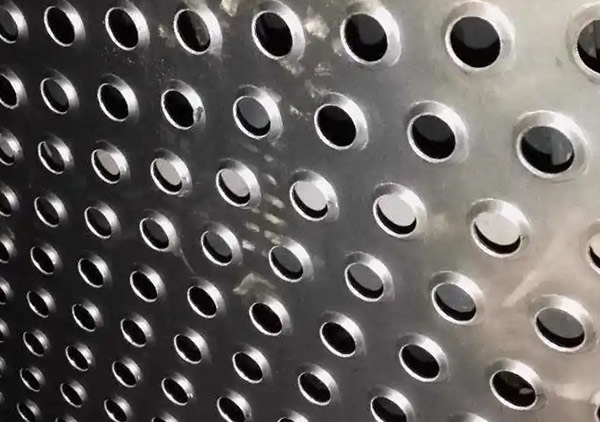
PS16: Embossed Round Holes
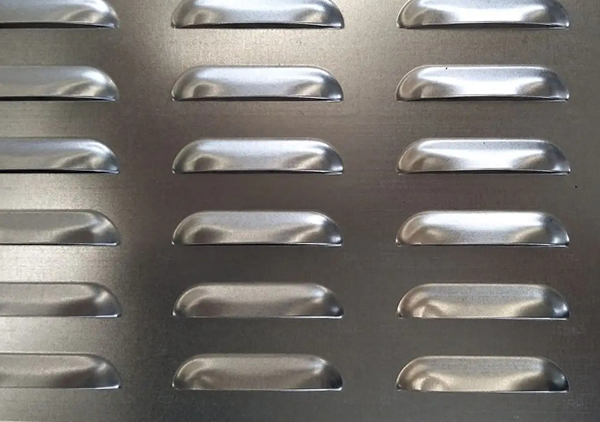
PS17: Ventilation Louver Holes
PS18: Anti-slip Holes
Other custom perforated metal forms
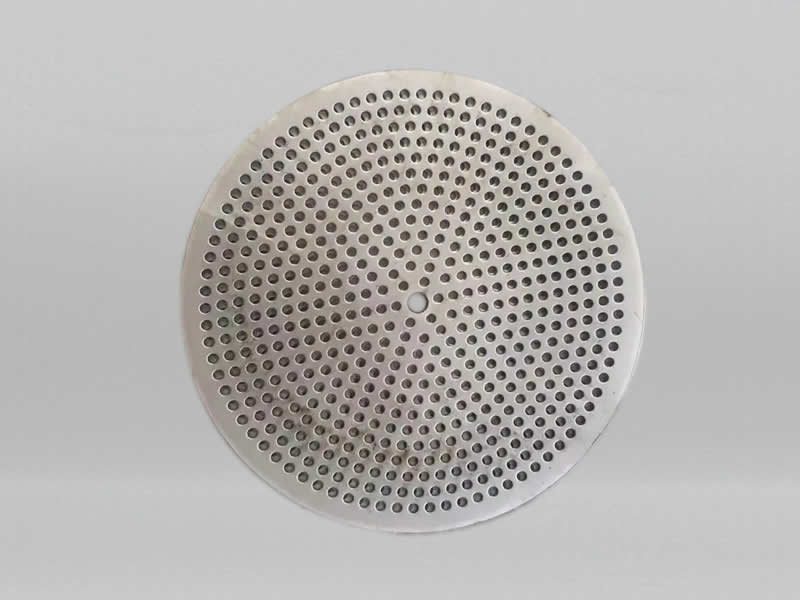
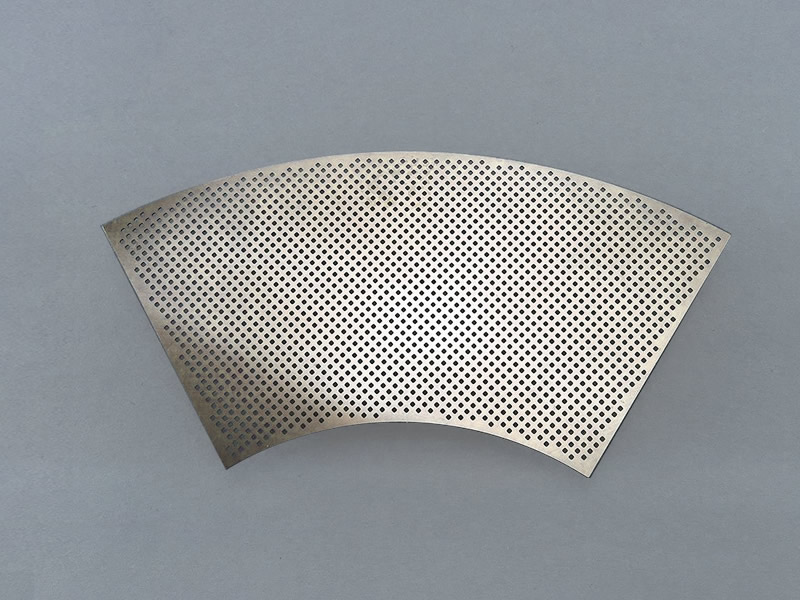
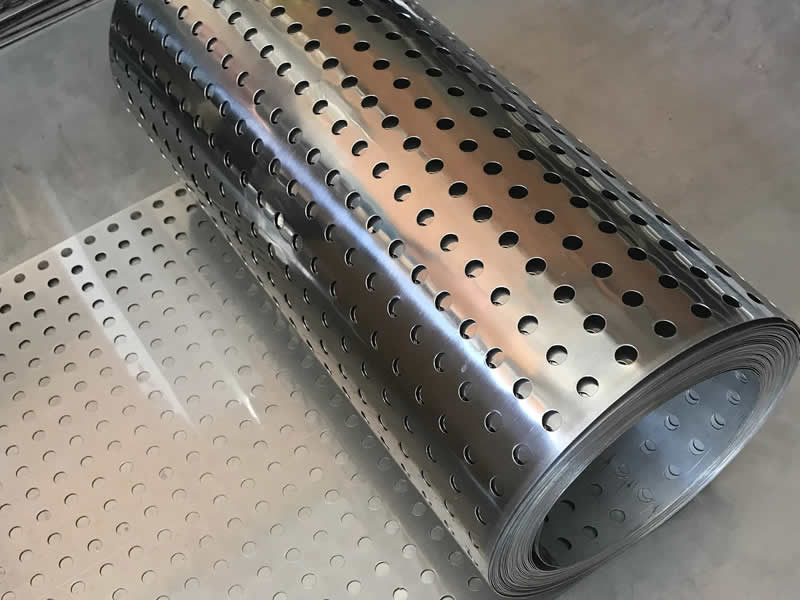
Discs, special-shaped plates, trays, coils, sheets with protective film and corrugated cladding panels are available. Specify the final shape, dimensions and installation details; formed parts are reviewed against the drawing.
PERF-1: Perforated Plate Disc
PERF-2: Perforated Plates in a Special Shapes
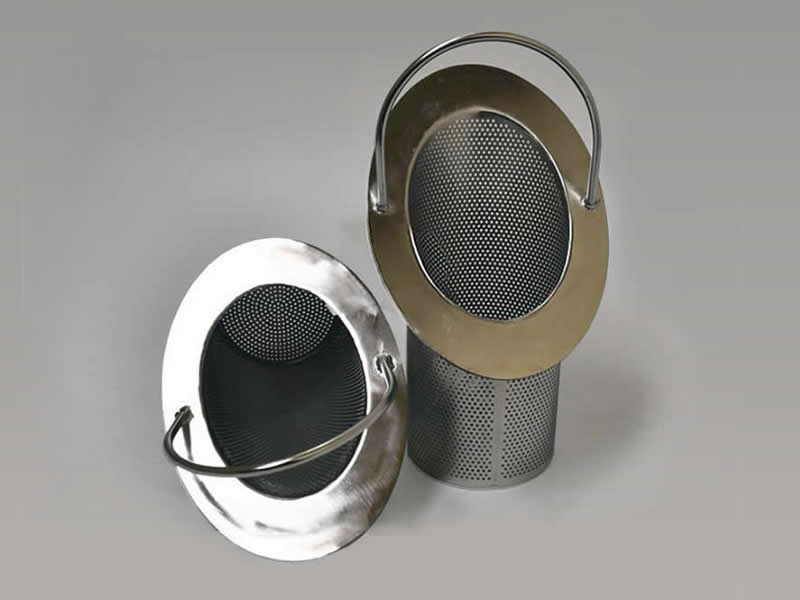
PERF-3: Perforated Trays
PERF-4: Perforated Metal in Coils
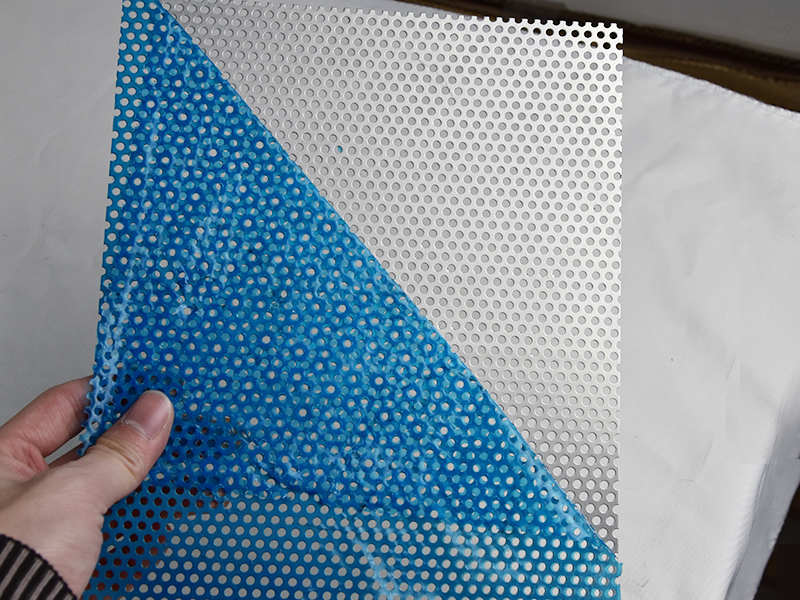
PERF-5: Perforated Plates with Protective Plastic Film
PERF-6: Corrugated Perforated Panels as Building Cladding
Open area, margins and pattern selection
Open area describes the proportion of openings in the specified area. State whether the percentage refers to the perforated field or the complete sheet including solid margins. Unperforated borders, installation holes and cut boundaries can change the finished sheet’s effective open area and hole count.
Use our perforated metal open area calculator and perforated sheet hole count calculator to prepare your specification within each tool’s stated scope. Calculation results do not establish structural capacity, filtration efficiency or manufacturing feasibility.
Manufacturing inspection
- Hole diameter or opening dimensions, sampled with suitable gauges or calipers.
- Hole pitch and pattern spacing.
- Sheet thickness.
- Overall length and width, diameter or shaped outline.
- Flatness and warping after perforation.
- Burrs and cut-edge condition.
Inspection methods, sampling and tolerances are agreed per order. A uniform tolerance or zero-burr guarantee does not apply to every material and pattern.
Three ways to order custom perforated metal
Design for a new application
Share the intended duty, material environment, installation space, flow or screening requirements and any loading requirements. We review material, thickness, holes, margins and manufacturing options with you before agreeing a drawing.
Manufacture to drawing
Send a dimensioned PDF or DXF drawing, material grade, thickness, pattern, margins, surface specification, tolerances and quantity. The agreed drawing defines the finished part.
Recreate from a sample
Send an existing part when drawings are unavailable. We can recover geometry and pattern details; uncertain alloy, finish or performance requirements must be confirmed rather than inferred from a used sample.
Perforated metal sheet FAQ
Can you supply all the patterns and product forms shown?
Yes. The illustrated patterns and forms remain available for custom supply, with dimensions and manufacturing details confirmed per order.
What is the smallest hole you can make?
It depends on material, thickness, shape and manufacturing method. Round holes are commonly 1–20 mm. Smaller openings require a project review; punched-hole diameter is generally selected around sheet thickness or larger, while laser cutting offers other possibilities.
Does hole diameter equal filtration accuracy?
Hole diameter is a geometric opening. It does not by itself establish absolute retention efficiency. For fine filtration, perforated metal commonly supports a separate filtering medium.
Can you leave solid borders and add mounting holes?
Yes. Specify each margin, mounting-hole position and edge-cut requirement on the drawing.
Can you provide special alloys and surface treatments?
Yes. Special alloys are sourced to order. Finish and treatment options are confirmed for the selected substrate and drawing.
Do you guarantee a single load or pressure rating?
No single rating applies to all perforated sheets. Material, thickness, hole geometry, open area, supports and installation determine the finished structure’s capacity.
Inquiry for Our Product
Please provide:
- Exact material grade and sheet thickness
- Overall length and width, or disc diameter / shaped-part drawing
- Hole shape and diameter, or slot width and length
- Pitch, arrangement and pattern orientation
- Each unperforated margin, mounting hole and edge-cut requirement
- Formed geometry and installation details, if applicable
- Surface condition, treatment and protective film
- Tolerances, inspection requirements, intended use and quantity
Related Products
Products
Contact Our Engineers
Complete our interactive form to receive a custom quote based on your needs.