Metal Filters for Chemical Filtration
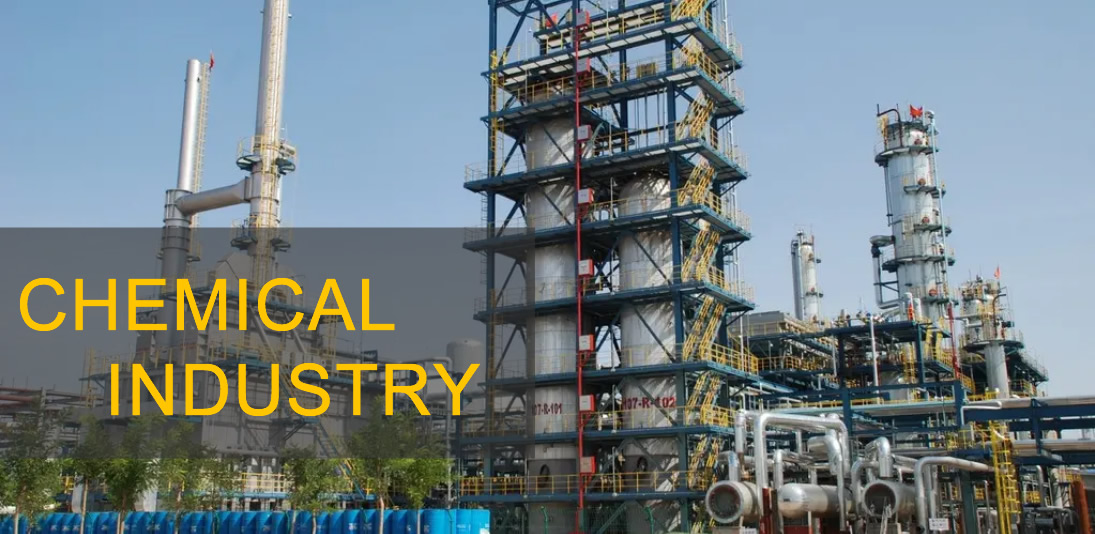
Filtalloy manufactures metal filter components for chemical filtration, solvent filtration, catalyst recovery and gas–liquid separation. Our range includes filter leaves, porous metal discs and elements, sintered plates, wedge wire screens, alloy wire mesh and demister pads for new equipment and replacement projects.
Selection starts with your fluid composition, solids, temperature, pressure, required retention and cleaning method. Components can be developed from process requirements, customer drawings or a supplied sample. Material suitability and acceptance requirements are agreed for the actual service conditions.
Chemical Process Filtration: Applications and Components
A chemical filter must fit both the separation task and the equipment. Use these options as a starting point for component selection.
| Process | Component options | Selection inputs |
|---|---|---|
| Solvent filtration | Porous metal elements, sintered discs or mesh elements | Solvent composition, contaminant size, viscosity and pressure drop |
| Catalyst recovery | Filter leaves, porous metal elements or support plates | Particle distribution, recovery target, cake release and cleaning |
| Solid–liquid separation | Filter leaves, sintered plates or wedge wire screens | Solids loading, flow direction and differential pressure |
| Resin retention | Wedge wire screens | Resin bead size, slot opening, supports and connections |
| Gas distribution | Porous metal discs or sintered plates | Gas flow, bed support and distribution requirements |
| Droplet separation | Knitted mesh demister pads | Gas and liquid properties, vessel dimensions and drainage |
Solvent Filtration and Catalyst Recovery
For industrial liquid filtration, specify the fluid and particles before choosing the pore or mesh opening. Solvent mixtures and cleaning chemicals can change material compatibility. Catalyst recovery filters also require consideration of particle loss, cake removal and regeneration.
Filter leaves are components of a filtration system; housing design, controls and system performance require separate engineering review. Demister pads remove entrained liquid droplets from gas and do not replace fine-particle or vapor removal equipment.
Metal Filter Components for Chemical Processing
Johnson Screen
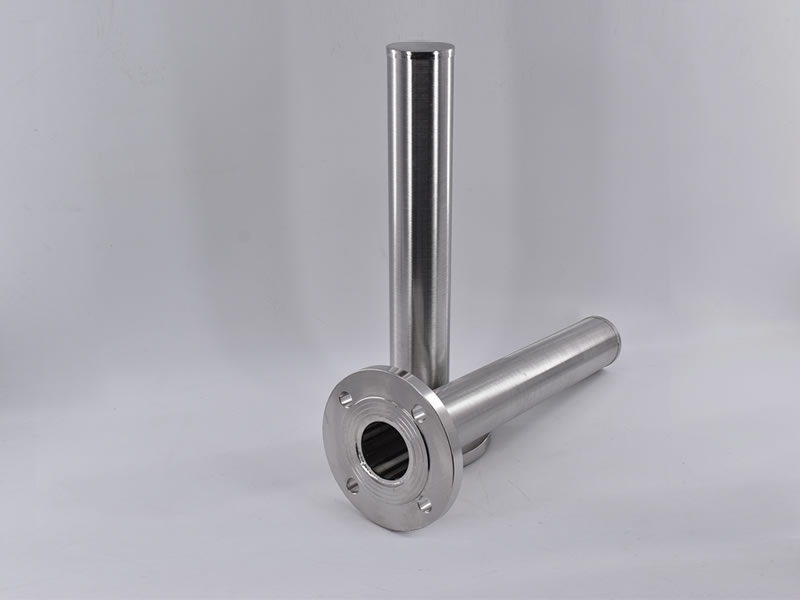
Wedge wire screens for resin retention and coarse solid–liquid separation. Specify slot size, flow direction, supports and connection dimensions.
Filter Leaf
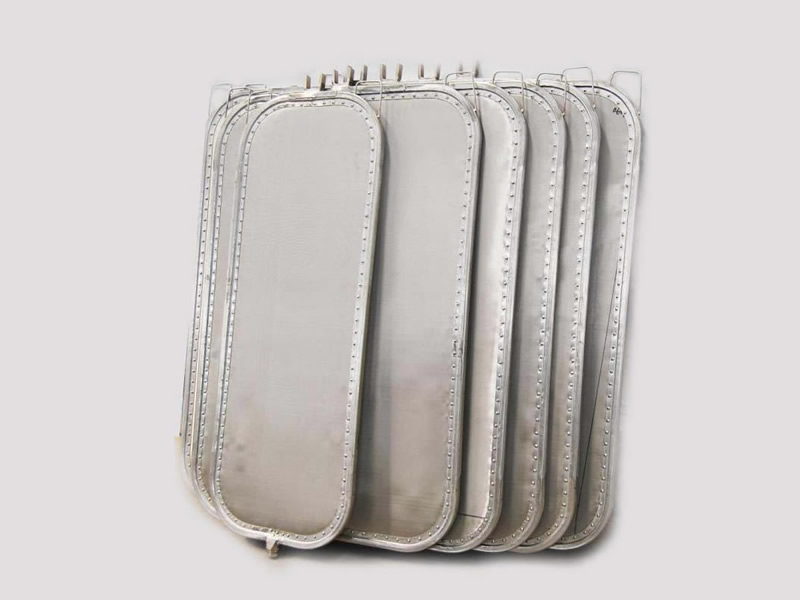
Filter leaves for pressure leaf filtration, clarification and catalyst recovery projects. Mesh layers, frames and outlets are manufactured to equipment requirements.
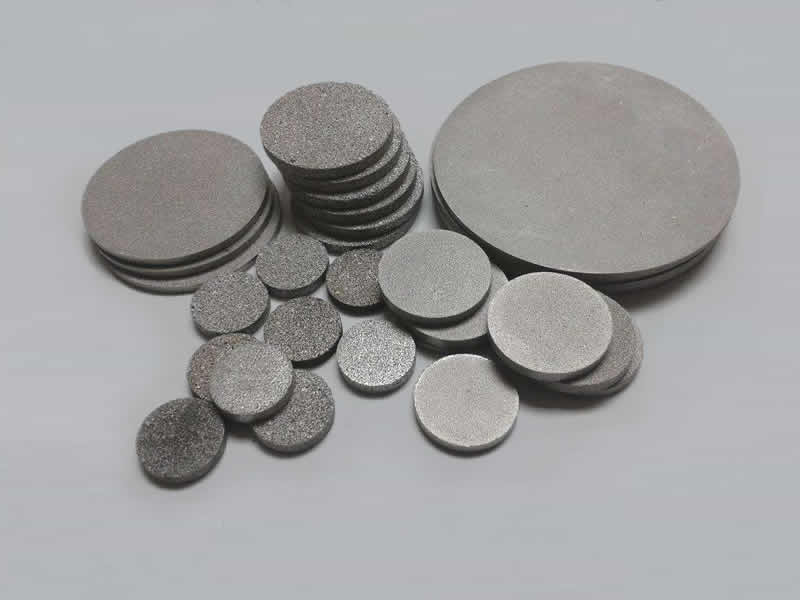
Porous Metal Filter Disc
Porous metal discs for filtration or gas distribution. Material, pore structure, dimensions and supports are selected for the required flow and service conditions.
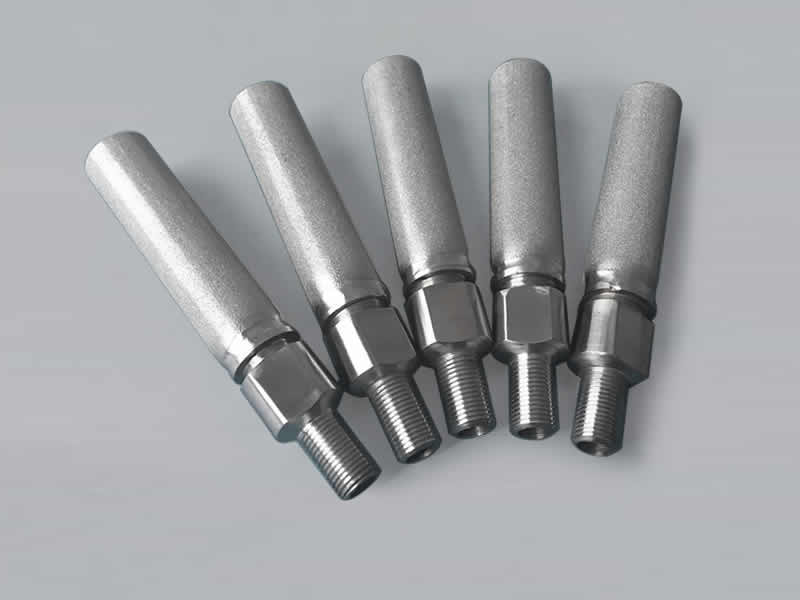
Porous Solvent Filter
Porous metal elements for solvent filtration. Confirm fluid compatibility, contaminant size, cleaning method and allowable differential pressure.
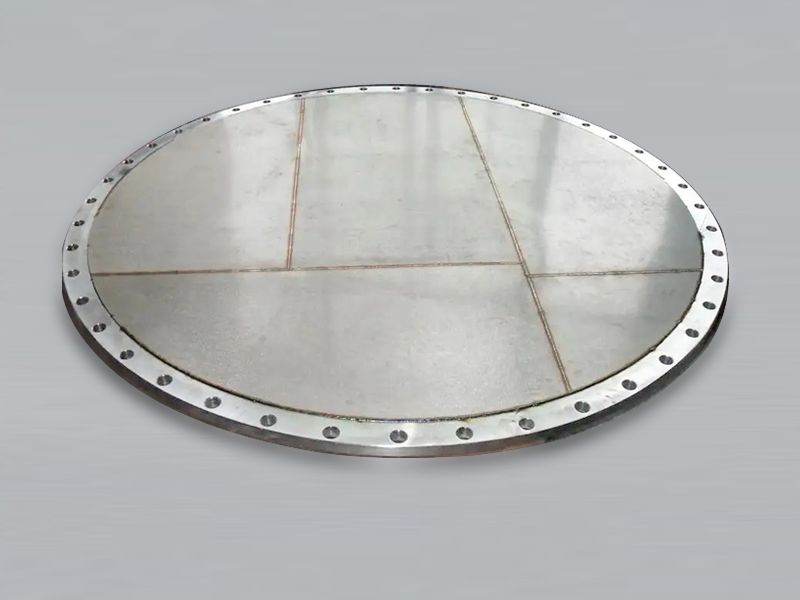
Sintered Plate Disc
Sintered plate discs for filtration, bed support or gas distribution. Layer construction and supporting plates are selected for mechanical and process requirements.
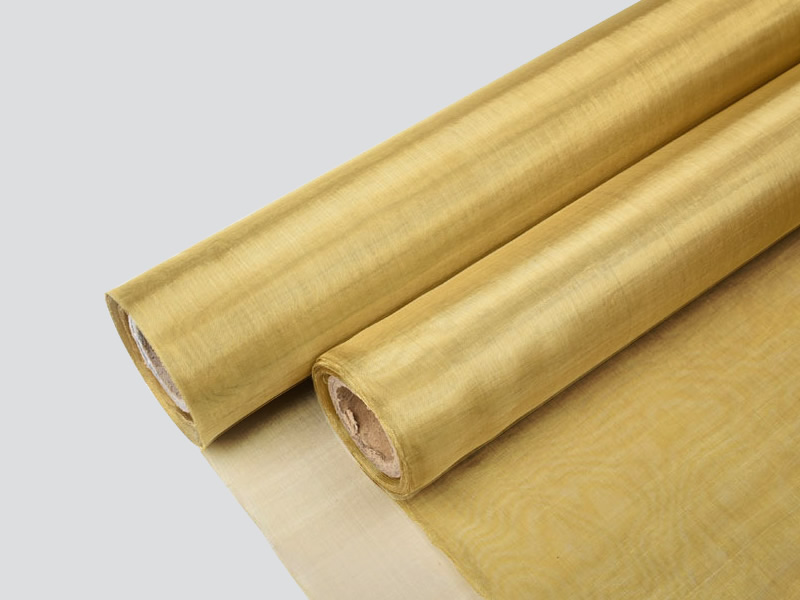
Brass Wire Mesh
Brass wire mesh for selected screening and separation duties. Suitability depends on process fluid and cleaning chemistry; brass is not a universal corrosion-resistant option.
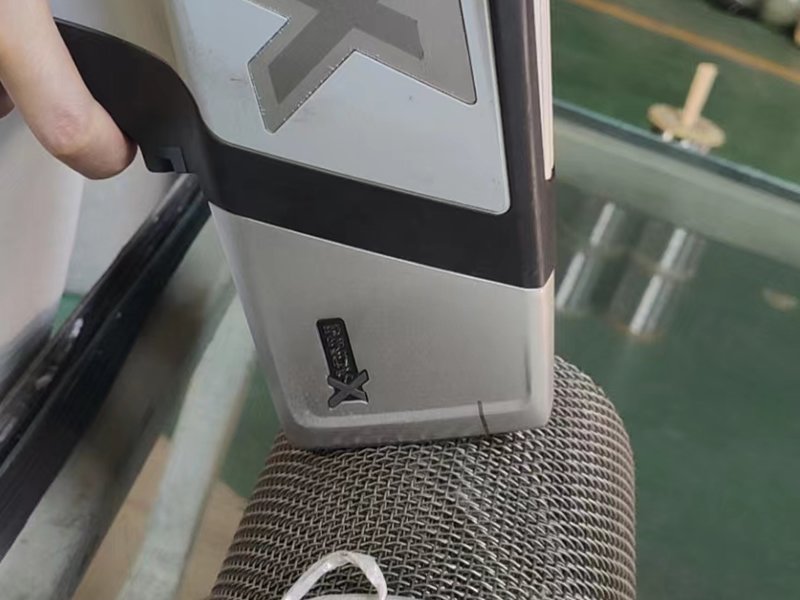
Special Alloy Wire Mesh
Special alloy wire mesh for applications requiring further material compatibility review. Specify the alloy grade, chemical composition and operating conditions.
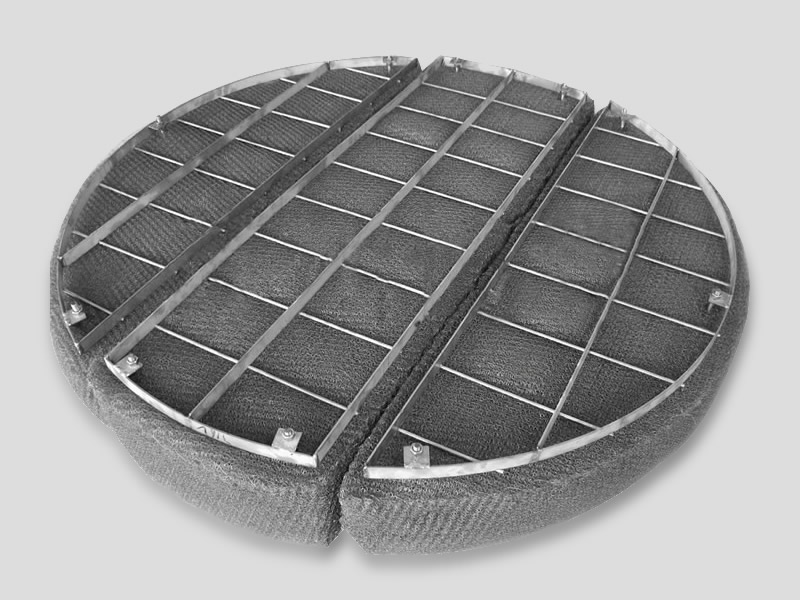
Demister Pads
Knitted mesh demister pads for gas–liquid separation in suitable vessels. Pad dimensions, mesh material, supports and drainage requirements follow the equipment design.
Discuss Your Chemical Filtration Requirements
How to Specify a Chemical Filter Component
- Fluid and material: provide chemical names, concentrations, mixtures, temperature and cleaning media. Alloy compatibility requires review for the actual duty; 316L is not suitable for every corrosive liquid.
- Separation target: identify particle sizes, solids loading and required retention. Mesh or pore opening alone does not establish removal efficiency.
- Flow and strength: provide flow rate, viscosity, operating pressure, maximum differential pressure and reverse-flow or backwash conditions.
- Equipment interfaces: confirm dimensions, seals, outlets, support locations, weld requirements and installation space.
- Cleaning: agree cleaning chemistry, regeneration cycles and mechanical limits before manufacture.
Inspection and Documentation
Inspection scope is agreed with the order. Material documentation, dimensional results and specified flow, permeability or integrity tests can be discussed during drawing review. State acceptance limits, test methods and required reports before manufacture. Cleaning suitability and service life depend on the actual process.
Frequently Asked Questions
Which metal is suitable for corrosive liquid filtration?
No single alloy suits every chemical. Share composition, concentration, temperature, impurities and cleaning conditions so stainless steel or special alloy options can be reviewed against the complete duty.
Can an existing filter be replaced from a drawing or sample?
Yes. We can review drawings or measure a supplied sample. Include operating conditions and the original filtration requirement; external dimensions alone do not establish equivalent performance.
Can metal filters be cleaned and reused?
Many metal filter components are designed for cleaning, but the method must suit the material, construction and contamination. Confirm chemical compatibility and mechanical limits before backwashing or chemical cleaning.
How do I choose a filtration rating?
Start with the particles to retain and acceptable downstream contamination. Agree the opening or pore specification and an appropriate performance test. Nominal ratings from different constructions should not be assumed equivalent.
Three Ways to Start Your Project
- New process or equipment: send service conditions and separation requirements.
- Drawing or replacement: send drawings, dimensions and the existing specification.
- Sample-based development: arrange a sample for measurement and construction review.
Use the form below to share your requirements. We will review the component design, material options and information needed for manufacture.
Applications
Product Inquiry
Share your process conditions, drawing or replacement sample to discuss a suitable metal filter component.