
Mining Screens and Metal Filter Components for Coal Processing
Filtalloy manufactures mining screens and metal filter components for coal preparation, mineral processing and supporting equipment. Wedge wire sieve bend screens and baskets serve suitable screening or dewatering duties; sintered mesh and pleated metal elements serve separately specified liquid filtration duties.
We manufacture components to process requirements, customer drawings or supplied samples. Start with the feed material, particle distribution, flow, equipment dimensions and acceptance criteria so the screen construction can be reviewed for the actual duty.
Coal Screening and Dewatering: Select the Component by Duty
Screen selection involves both particle separation and the mechanical requirements of the equipment.
- Coal screening and classification: specify feed size distribution, required separation, screen opening, feed rate and mounting arrangement.
- Coal dewatering screens: provide slurry solids content, flow, particle distribution and the required moisture target. Screen openings alone do not establish final moisture.
- Sieve bend screens: curved wedge wire panels for suitable static slurry screening or dewatering. Specify radius, arc angle, width, slot direction, feed arrangement and supports.
- Screen baskets: define diameter, length or cone geometry, slot size, flange and support details. Centrifuge screen baskets require review of the specific rotating equipment drawing and structural acceptance requirements.
- Process-water and equipment filtration: specify water or oil properties, contaminant sizes, flow and allowable differential pressure separately from the coal screening duty.
Slot Width, Wear and Blinding
Slot width is a physical opening, not a guaranteed separation cut point. Particle shape, near-size material, slurry concentration and feeding conditions affect separation. Review profile wire, supports, abrasion, corrosion and cleaning together. A wedge-shaped opening does not guarantee freedom from blinding.
The same review applies to mineral processing screens used with iron ore, non-ferrous ores and other mineral feeds. Material selection follows the slurry chemistry and wear conditions rather than the industry name alone.
Screen and Filter Components for Mining Equipment

Sieve Bend Screens
Curved wedge wire panels for suitable coal slurry screening and dewatering. Arc geometry, slot opening, flow orientation and supports follow the equipment drawing.

Wedge Wire Screen Baskets
Basket and cylindrical screens made to the specified slot pattern, support structure and interfaces. Identify whether the duty is stationary straining or rotating dewatering before design review.
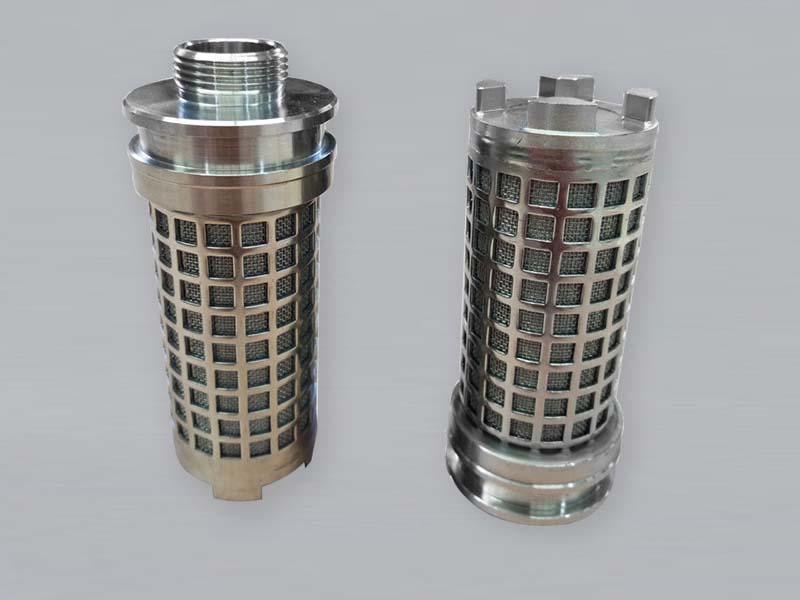
Sintered Mesh Filter Elements
Sintered mesh filter elements for suitable process-water or equipment-fluid particulate filtration. Define retention, supports, cleaning and forward or reverse differential pressure.
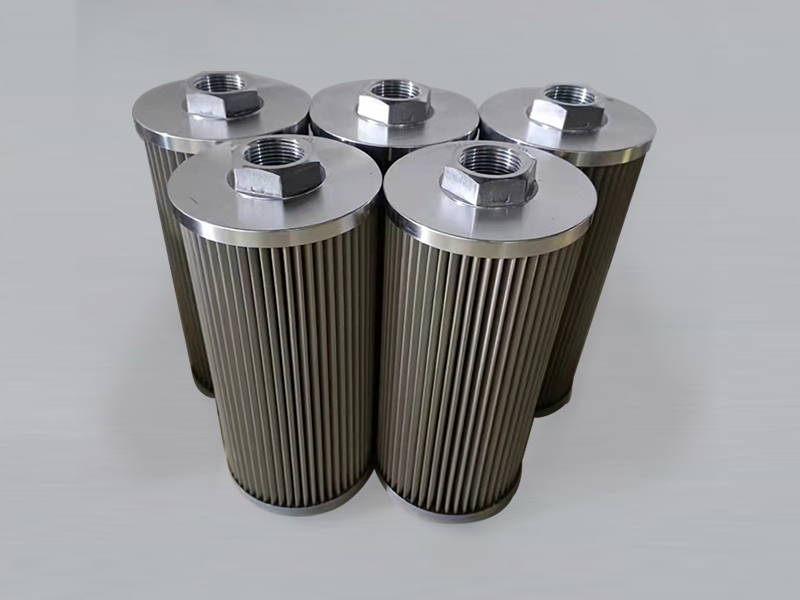
Pleated Metal Filter Elements
Pleated metal elements for compatible equipment-fluid filtration. Supply oil viscosity at operating temperature, cleanliness requirements, flow, seals and replacement dimensions.

Knitted Metal Panel Filters
Washable metal panels for suitable equipment-intake or mist prefiltration duties. Fine respirable coal dust control requires separately engineered and validated dust-control equipment.
Discuss Your Coal Screening Requirements
Information Needed for a Mining Screen
- Feed: identify coal or mineral type, particle distribution, solids concentration and slurry chemistry.
- Process target: specify classification, dewatering or retention requirements and allowable product loss.
- Capacity: provide feed flow, solids throughput and normal or peak loading.
- Geometry: provide panel dimensions, curve radius, basket profile, slot direction and support arrangement.
- Equipment interfaces: confirm mounting holes, flanges, joints, installation clearances and equipment drawing revision.
- Mechanical duty: identify vibration, impact, rotating speed where applicable, cleaning loads and acceptance tests.
- Inspection: agree slot-width checks, dimensions, material documentation and any equipment-specific structural requirements.
Cleaning, Inspection and Replacement
Inspect screens for slot wear, damaged wires, weld condition and distorted supports. Cleaning and reverse-flow limits must suit the assembly. Replacement decisions depend on measured condition and process results; service life cannot be guaranteed from material grade alone.
For liquid filter elements, distinguish system operating pressure from differential pressure across the element. Higher pressure drop is a design limit and operating cost, not a filtration advantage.
Frequently Asked Questions
How do I choose a slot size for coal dewatering?
Use the feed particle distribution, acceptable solids loss and equipment operating conditions. Review the proposed slot opening with the process designer and establish the required performance through agreed evaluation or operating data.
Is a sieve bend screen the same as a centrifuge screen basket?
No. A sieve bend is a curved panel used in suitable static screening duties; a centrifuge basket operates within rotating equipment. Their geometry, loading and acceptance requirements differ.
Can you replace a worn screen from a sample?
Yes. Send the equipment drawing where available, or arrange a sample for measurement. Identify wear and deformation so those features are not copied as the original design dimensions.
Do wedge wire screens prevent all clogging?
No. Feed distribution, sticky or near-size particles, slot orientation and cleaning affect blinding. Specify these conditions during selection.
Can knitted metal panels provide mine dust safety protection?
A metal panel should not be assumed to meet respirable dust-control requirements. Its proposed equipment duty needs separate performance review within the complete ventilation and dust-control design.
Three Ways to Start Your Project
- Requirements-based customization: share a new process duty, feed data and equipment constraints.
- Drawing-based customization: send the approved screen or filter drawing and acceptance requirements.
- Sample-based customization: arrange a replacement sample for measurement and construction review.
Use the form below to share your component requirements.
Applications
Product Inquiry
Send feed conditions, equipment drawings or a worn screen sample for manufacturing review.