
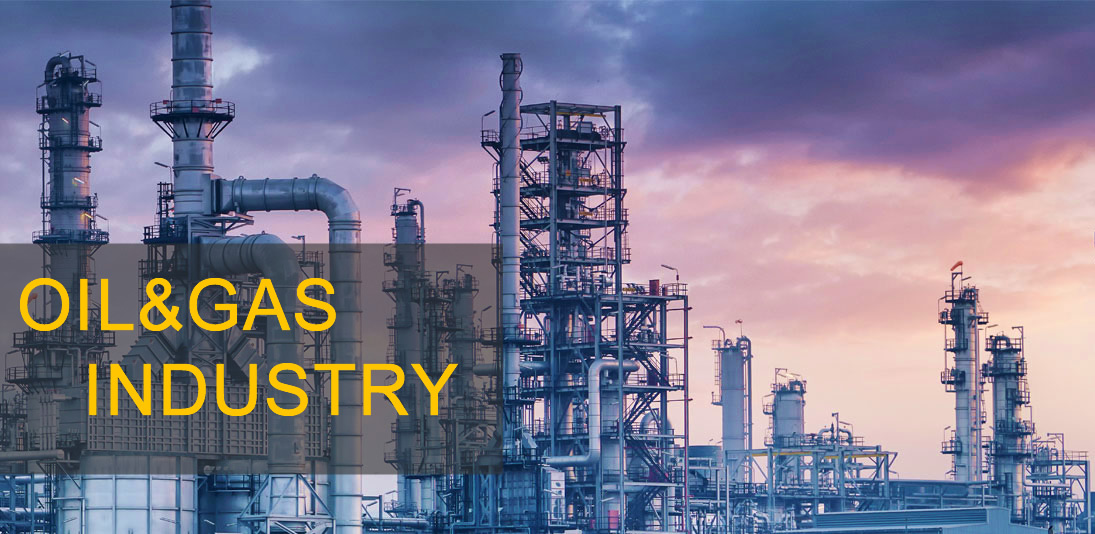
Metal Filters for Oil and Gas Filtration
Filtalloy manufactures metal filter elements and separation components for oil and gas filtration projects. Our range includes sintered mesh elements, pleated metal cylinders, porous metal filters, wedge wire screens, SPL filter elements and demister pads.
We support equipment manufacturers and replacement projects with components developed from process requirements, drawings or supplied samples. Selection depends on the fluid, contaminant, flow rate, temperature, differential pressure and equipment interface.
Filtration in the Oil and Gas Industry
The following component options require review against the actual process and equipment design.
| Duty | Component options | Information to specify |
|---|---|---|
| Natural gas filtration | Metal particulate filter elements | Gas composition, particle loading, actual gas flow and pressure |
| Amine filtration | Sintered mesh or pleated metal elements | Amine type, contaminants, compatibility and cleaning method |
| Fuel oil filtration | Mesh elements or wedge wire strainers | Viscosity at operating temperature, solids and allowable pressure drop |
| Lubricating oil filtration | SPL elements or mesh filter assemblies | Oil grade, particle retention, flow and connections |
| Catalyst particle recovery | Sintered mesh or porous metal elements | Particle distribution, solids loading and regeneration |
| Mist elimination | Knitted mesh demister pads | Droplet duty, vessel geometry, gas loading and drainage |
Particulate Filtration and Droplet Separation
For natural gas filtration, distinguish solid particles from entrained liquid droplets. A metal particulate element and a demister pad serve different duties. Fine aerosol removal may require a dedicated coalescing stage; a mesh demister should not be assumed to provide equivalent performance.
Amine filtration can address suspended solids in a circulation loop. A particulate filter does not remove dissolved acid gases or replace the treating process. Fuel oil and lubricating oil filtration require viscosity data at the operating temperature, rather than a flow rate alone.
Metal Filter Components for Oil and Gas Service
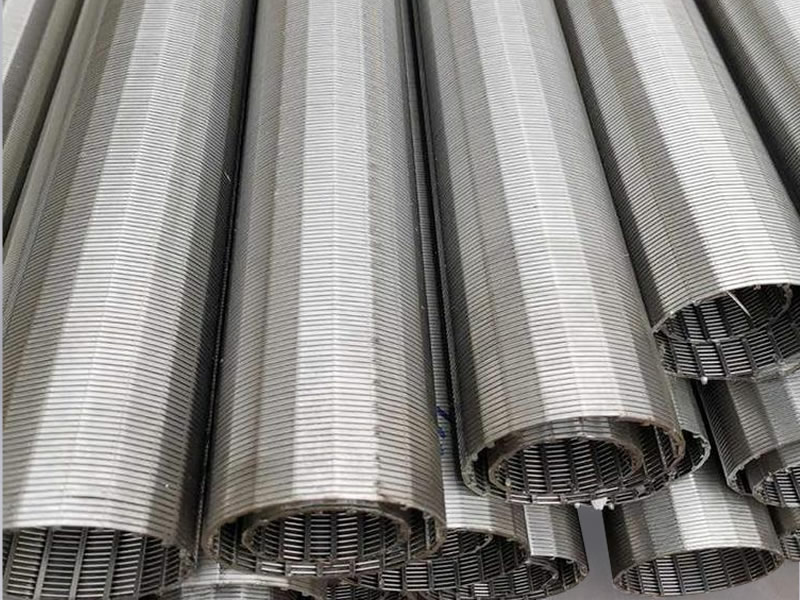
Johnson Screen
Wedge wire screens for coarse solids retention and straining. Slot size, flow direction, supports and connections follow the equipment duty.
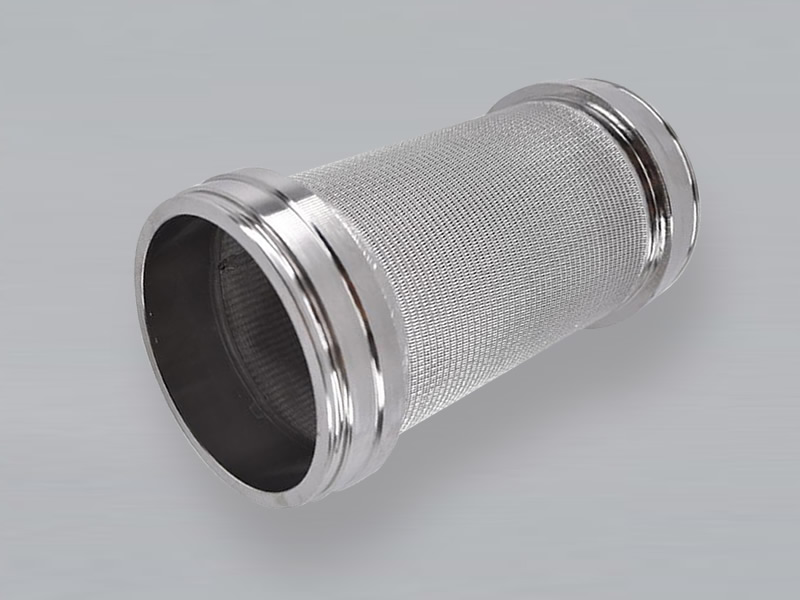
Sintered Mesh Filter Element
Sintered mesh elements for liquid or gas particulate filtration. Specify retention requirements, allowable differential pressure and cleaning conditions.
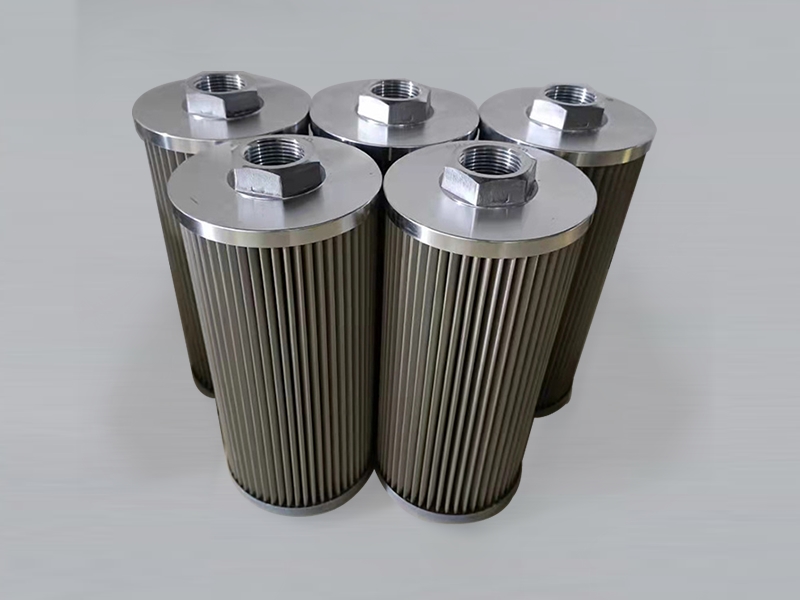
Pleated Metal Filter Cylinder
Pleated metal cylinders provide additional media area within an agreed envelope. Flow capacity and structural limits require review for the selected construction.
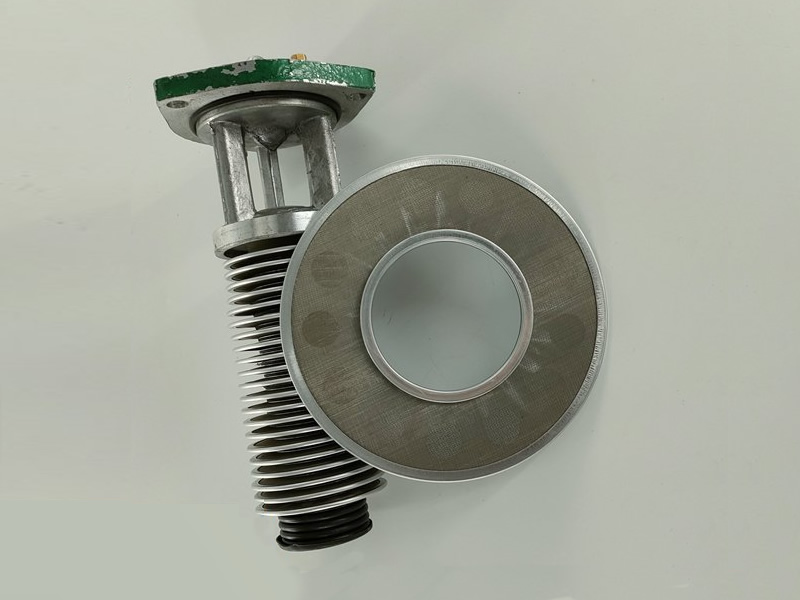
SPL Filter Elements
SPL filter elements for suitable lubricating oil filtration systems. Disc construction, dimensions, retention and assembly interfaces are agreed to the drawing.
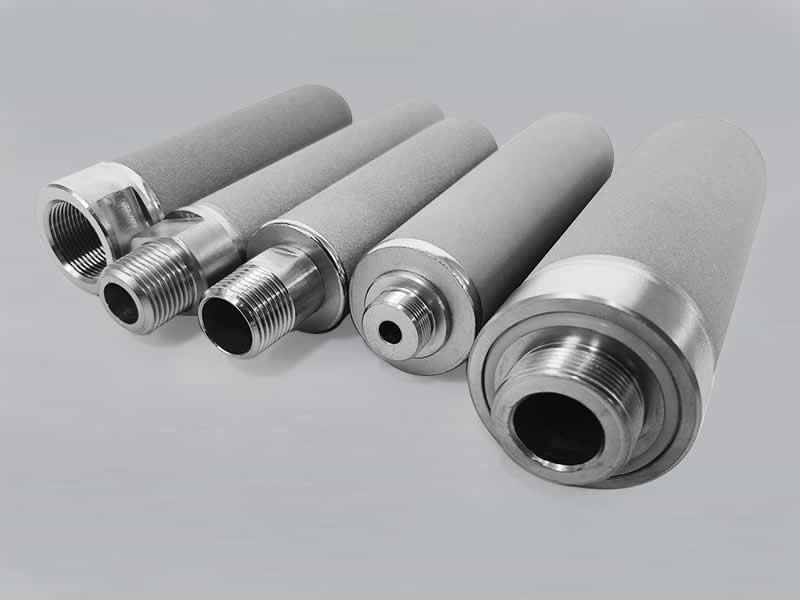
Porous Metal Filter
Porous metal elements for suitable filtration or gas distribution duties. Material, pore specification and joints require process-specific review.
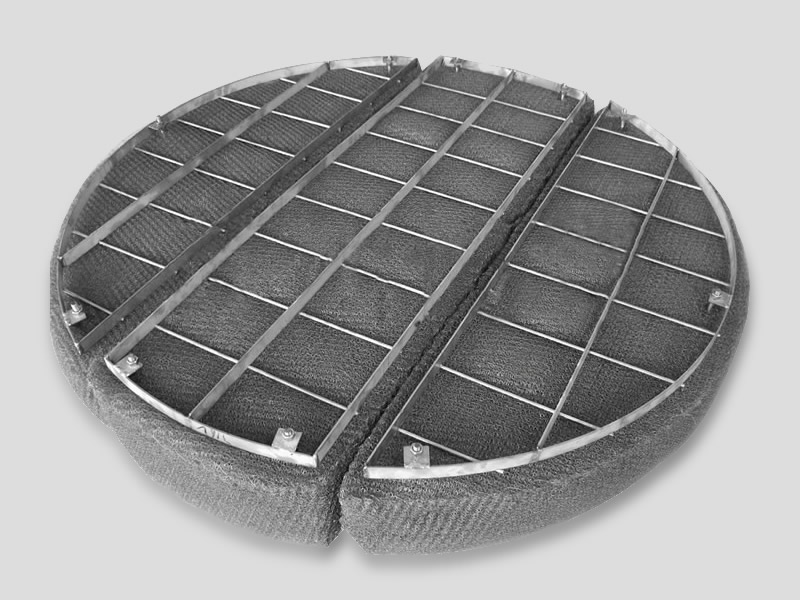
Demister Pad
Demister pads for removal of entrained droplets in suitable separators or process vessels. Specify geometry, supports, gas loading and drainage requirements.
Discuss Your Oil and Gas Filter Requirements
Selection, Cleaning and Inspection
- Fluid and material: provide composition, water content, temperature and cleaning chemistry. For sour service, identify H₂S exposure and any applicable material requirements before alloy selection.
- Retention: provide particle sizes, solids loading and the required downstream cleanliness. Agree the rating definition and test method.
- Pressure and flow: specify operating pressure separately from differential pressure across the element, including maximum forward and reverse conditions. High pressure drop is a design constraint, not a filtration benefit.
- Interfaces: confirm dimensions, seals, end fittings, support structure, welds and installation clearances.
- Acceptance: agree dimensional checks, material documentation and any specified flow, integrity or structural tests before manufacture.
Cleaning and reuse depend on contamination, alloy compatibility and element construction. Confirm cleaning chemicals and backwash limits before use. Filter components do not establish the pressure rating or compliance of the complete vessel.
Frequently Asked Questions
Can you replace an existing filter element?
We can review a drawing or supplied sample. Include operating conditions and the original filtration specification; matching dimensions alone does not establish equivalent performance.
Are all metal filters suitable for high-pressure service?
No. Element construction, supports, joints and seals must be reviewed for the specified differential pressure and flow direction. System operating pressure requires a separate review of the housing and equipment.
Does a demister replace a gas coalescing filter?
Not automatically. Droplet size, gas loading and the required outlet condition determine the appropriate separation stage. Confirm the duty with the system designer.
Can you supply a complete filtration skid?
This page covers metal filter components. Define housings, controls, pressure equipment and other system items separately during project review.
Three Ways to Start Your Project
- New process: send operating conditions and separation requirements.
- Drawing or replacement: send drawings, dimensions and the existing specification.
- Sample: arrange a sample for measurement and construction review.
Use the form below to discuss your component requirements.
Applications
Product Inquiry
Send your process requirements, drawing or replacement sample for component review.