FILTALLOY TECHNOLOGY LTD.

Metal Filter Elements & Materials

Home » Application » Food & Beverage Industry
Beverage production application

Metal Filter Components for Food and Beverage Filtration

Filtalloy manufactures metal screens, filter leaves, sintered mesh plates and strainer components for food and beverage filtration equipment. Components are made to agreed process requirements, drawings or samples for new equipment and replacement projects.

Selection must consider the product, solids, viscosity, temperature, cleaning chemistry and hygienic design requirements. Identify food-contact documentation, surface condition, seals and inspection requirements before manufacture.

Food and Beverage Filtration: Select by Product and Duty

  • Beer and beverage filtration: define clarification, coarse retention or equipment protection. A metal screen is not automatically a sterilizing filter.
  • Juice filtration: specify pulp, fibers and suspended solids to retain, with acceptable product loss and downstream requirements.
  • Edible oil filtration: provide oil viscosity at operating temperature, solids loading, filter-aid use where applicable and cake-discharge conditions.
  • Sugar syrup filtration: review temperature, viscosity, suspended solids and cleaning requirements for leaf or screen components.
  • Cheese brine filtration: specify salt concentration, temperature, solids and cleaning chemistry for corrosion and retention review.
  • Powder screening: mesh openings and supporting structures follow particle distribution, throughput and equipment dimensions.

Clarification and Microbiological Control Are Different Tasks

Define whether the component provides screening, clarification, support or another specified duty. Product clarity alone does not establish microbial removal, shelf life or food safety. Gas sparging and powder fluidization are separate functions requiring their own gas-quality and process requirements.

Pleated Metal Filter

Pleated Metal Filter

Pleated metal elements for specified food and beverage particulate-filtration duties. Select media, material, seals and connections together with product-contact documentation and cleaning requirements.

Learn more →

Metal Screens and Filter Components

Sintered Plate Filter

Sintered Plate Filter

Sintered mesh filter plates for suitable filtration equipment. Define media layers, supports, interfaces, cleaning and product-contact requirements.

Filter Leaf

Filter Leaf

Filter leaves for suitable liquid clarification duties. Specify frame, mesh layers, outlets, filter-aid requirements where applicable and cake-removal arrangement.

Woven Mesh Filter Disc

Woven Mesh Filter Disc

Woven mesh discs for specified particulate screening or equipment protection. Agree opening, wire diameter, layer construction and edge condition.

V Wire Filter

Wedge Wire Screens

Wedge wire elements for suitable solids retention or straining. Slot size, supports, surface condition and cleaning access follow the equipment duty.

Woven wire mesh for screening and filtration

Woven Wire Mesh

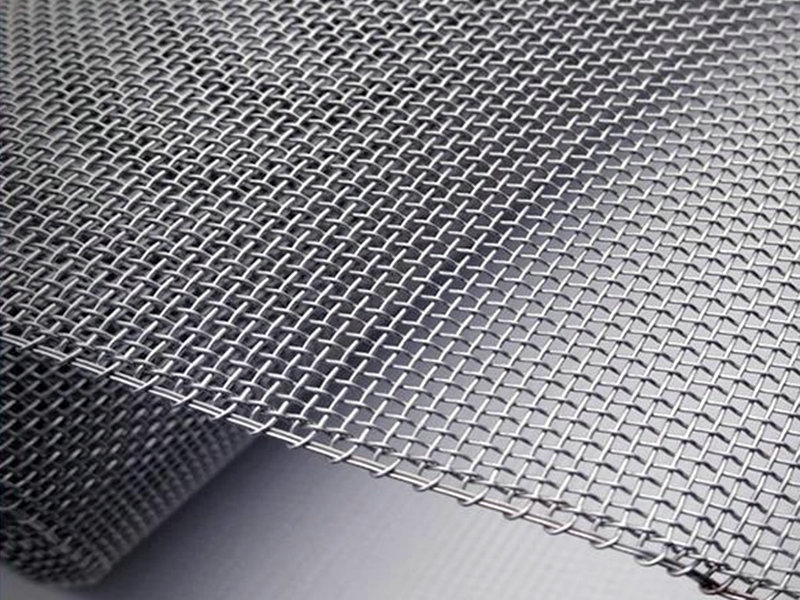
Woven wire mesh for liquid screening or powder sieving. Choose weave, opening and wire diameter against the feed and the required retention.

perforated plate

Perforated Sheets

Perforated sheets for coarse screening and support of finer media. Hole pattern, thickness, edge finish and cleaning access require drawing review.

Discuss Your Food Filtration Requirements

Product Contact, Cleaning and Inspection Requirements

  • Food or beverage composition, pH, salt, oil and other relevant constituents.
  • Particle sizes, solids loading, viscosity, temperature and flow.
  • Retention or clarification target with the agreed test method.
  • Material grade, surface condition, joints, seals and equipment interfaces.
  • Cleaning and sanitizing chemicals, concentrations, temperatures and cycle.
  • Access for inspection, drainage, residue removal and replacement.
  • Applicable food-contact documentation and project acceptance limits.

Hygienic Design Is an Assembly Requirement

Stainless steel alone does not establish hygienic suitability. Review product-contact surfaces, crevices, joints, seals, drainability and the proposed cleaning method within the complete equipment. Material compatibility must cover both the product and cleaning chemicals.

Agree inspection and documentation before ordering. Cleaning and sanitizing effectiveness, allergen control and any microbiological performance require validation for the actual process.

Frequently Asked Questions

Are all stainless steel filters food-grade?

No blanket designation applies from the alloy name alone. Specify the intended food contact, construction, surface requirements and required documentation.

Can a metal screen sterilize a beverage?

Do not infer sterilizing performance from a mesh opening or nominal rating. A sterilizing duty requires a suitable validated process and performance specification.

Can filter leaves handle syrup or edible oil?

Review viscosity at operating temperature, solids, filter aid where used, flow, pressure drop and cleaning requirements for the particular equipment.

How do I select materials for cheese brine?

Provide salt concentration, temperature, acidity, contaminants and cleaning chemistry so material compatibility can be reviewed.

Can you replace a filter from a sample?

Yes. Include its equipment duty, retention, materials and cleaning conditions. Matching dimensions alone does not establish equivalent hygiene or filtration performance.

Three Ways to Start Your Project

  1. Requirements-based customization: share the operating conditions and component function for a new project.
  2. Drawing-based customization: send the approved drawing, revision and acceptance requirements.
  3. Sample-based customization: arrange a sample for measurement and construction review, together with the original duty where available.

Use the form below to discuss your component requirements.

QUESTIONS? MESSAGE US NOW!