
FILTALLOY TECHNOLOGY LTD.

Metal Filter Elements & Materials

Home » Application » Air Dust Industry
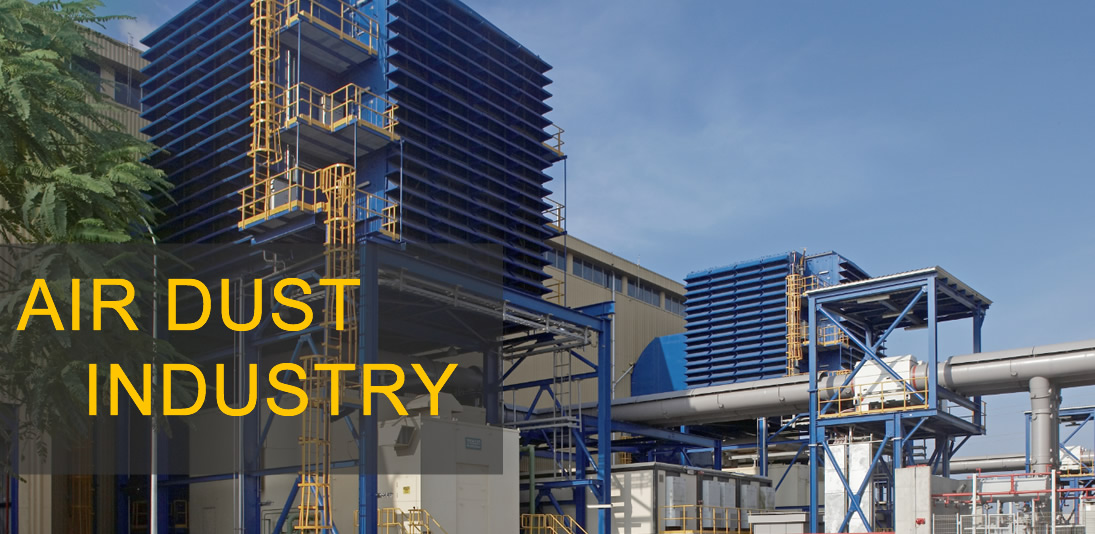
Waste incineration application for flue gas treatment

Metal Filter Elements for Industrial Dust and Hot Gas Filtration

Filtalloy manufactures metal filter elements for industrial dust filtration and hot gas filtration projects. Selection focuses on gas temperature, composition, dust properties, required outlet condition and cleaning method. We supply elements and drawing-defined assemblies for equipment manufacturers and replacement projects.

Flue gas filtration requires review of the complete gas-cleaning system. A particulate filter element does not by itself remove every gaseous pollutant or establish compliance with an emission limit.

Industrial Dust Filtration: Define the Process First

  • Hot process gas: provide normal, peak and upset temperatures, heating or cooling rates and oxidizing or reducing conditions.
  • Flue gas filtration: identify gas composition, moisture, corrosive species, condensable compounds and the required dust outlet condition.
  • Dry process dust: specify particle distribution, dust loading, abrasion, cohesion and the selected collection and discharge arrangement.
  • Wet or sticky dust: assess condensation and deposit formation; a change of filter material alone may not solve blinding.

Temperature, Condensation and Material Selection

There is no single maximum service temperature for all metal elements. Alloy, media structure, joints, gas chemistry and cleaning cycles determine suitability. Provide the complete duty before selecting a construction or temperature limit.

Review water and acid condensation risks, startup conditions and condensable deposits. The equipment designer determines insulation, heating, cooling and shutdown measures. Bag filters, ceramic filters and metal filters each require a duty-specific comparison; no construction is a universal replacement.

Cleaning and Pressure Drop

Specify the gas flow at actual operating pressure and temperature, required filtration area, allowable differential pressure and cleaning arrangement. For pulse cleaning, provide pulse conditions, direction, cycle and mechanical requirements. Rising pressure drop may indicate cake accumulation or blinding; it is not a benefit.

Combustible dust, sparks and reactive gas require a separate system hazard assessment. A conductive metal element alone does not establish ignition or explosion protection.
Powder Sintered Porous Metal Filters

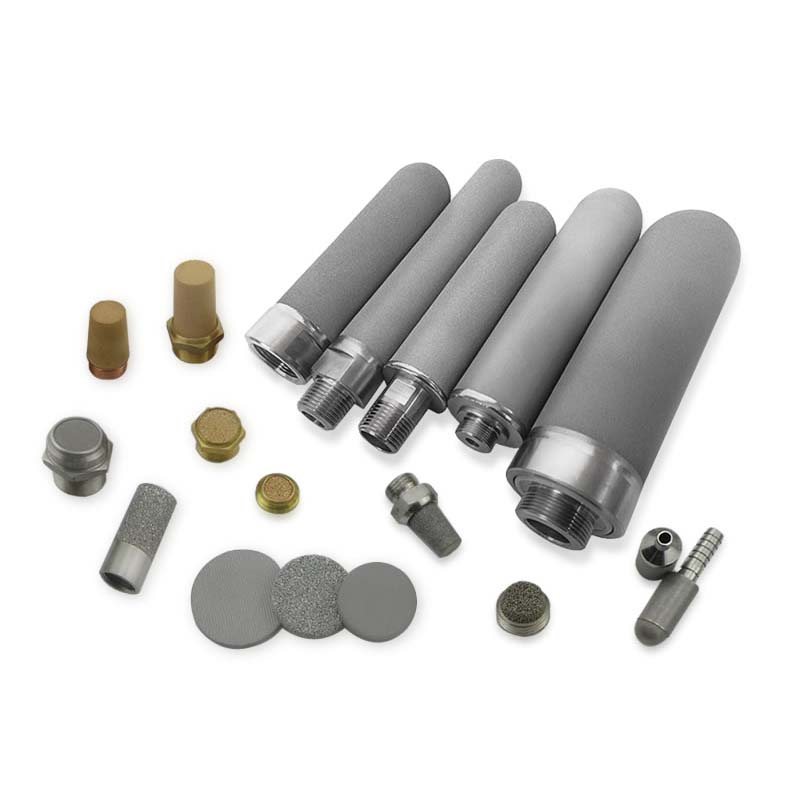
Powder Sintered Porous Metal Filters

Powder-sintered porous elements for compatible gas and particulate-filtration duties. Specify alloy, nominal rating, flow, temperature and cleaning conditions; confirm suitability for the actual gas chemistry and dust.
Learn more →

Hot Gas Filter Components

Metal hot gas filter elements

Hot Gas Filtration Elements

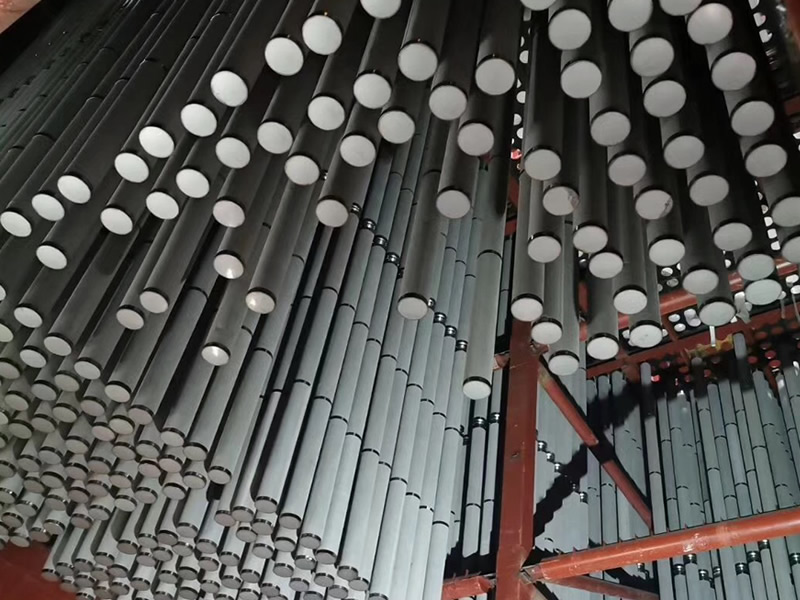
Metal hot gas filter elements for suitable high-temperature particulate duties. Media, alloy, supports, joints and cleaning requirements follow the specified process. See the product page for construction options and project review.

Discuss Your Dust Filtration Requirements

Information Needed for a Dust Filter Element

  • Process source and gas composition, including moisture and condensable or corrosive species.
  • Normal, peak and upset temperatures, startup and shutdown conditions.
  • Particle distribution, dust loading, abrasion and deposit behavior.
  • Actual gas flow, system pressure and permitted differential pressure.
  • Required outlet dust condition, test method and acceptance criteria.
  • Element dimensions, seals, mounting and supporting structure.
  • Pulse cleaning or other regeneration conditions, dust discharge and maintenance access.
  • Required material documents, inspection, integrity or performance tests.

Inspection and System Performance

Agree dimensional, material and specified integrity or flow checks before manufacture. Evaluate filtration performance under defined operating conditions. System leakage, seals, cleaning and dust discharge can affect outlet results even when the media is suitable.

EPA guidance identifies outlet particulate concentration, differential pressure, temperature, gas flow and cleaning operation as relevant indicators for fabric-filter systems. Use the indicators appropriate to the actual equipment and test plan. See EPA filtration monitoring guidance.

Frequently Asked Questions

Can a metal filter operate at 1100°C?

This page does not specify a universal 1100°C rating. Share temperature history, gas chemistry, media and joint requirements so a suitable construction and service limit can be reviewed.

Can I replace filter bags with metal elements?

Review filtration area, interfaces, cleaning, supports, sealing, gas conditions and dust discharge. A material swap alone does not establish system compatibility or equivalent performance.

Does a particulate filter remove acid gases or vapors?

Not by itself. Gas-phase contaminants require separately selected treatment stages. Define the pollutants and outlet requirements for the complete system.

Why does the filter pressure drop increase?

Dust cake, blocked pores, sticky deposits or inadequate cleaning can contribute. Diagnose gas flow, dust behavior and cleaning operation before changing the element.

Do you guarantee a fixed outlet concentration?

An outlet target needs a defined duty, system design and agreed verification method. This page does not promise one emission value for every installation.

Three Ways to Start Your Project

  1. Requirements-based customization: send operating conditions and the component function for a new project.
  2. Drawing-based customization: send the approved drawing, revision and acceptance requirements.
  3. Sample-based customization: arrange a sample for measurement and construction review, with the original duty and specification where available.

Use the form below to discuss your component requirements.

QUESTIONS? MESSAGE US NOW!