Filtalloy supplies epoxy-coated woven wire mesh for use as a support layer in automotive air filters and selected industrial filter designs. The woven metal backing supports filter media during downstream pleating, assembly and service. Q195 low-carbon steel is our common base material; stainless steel and aluminum can be specified for custom orders.
We supply full-width rolls, slit strips and cut pieces. Standard width is 1,300 mm, with continuous rolls up to 300 m. Long rolls are supplied without splices. Mesh count, wire diameter, roll dimensions and epoxy coating color can be customized to drawings or agreed specifications.
Where the Mesh Sits in a Filter
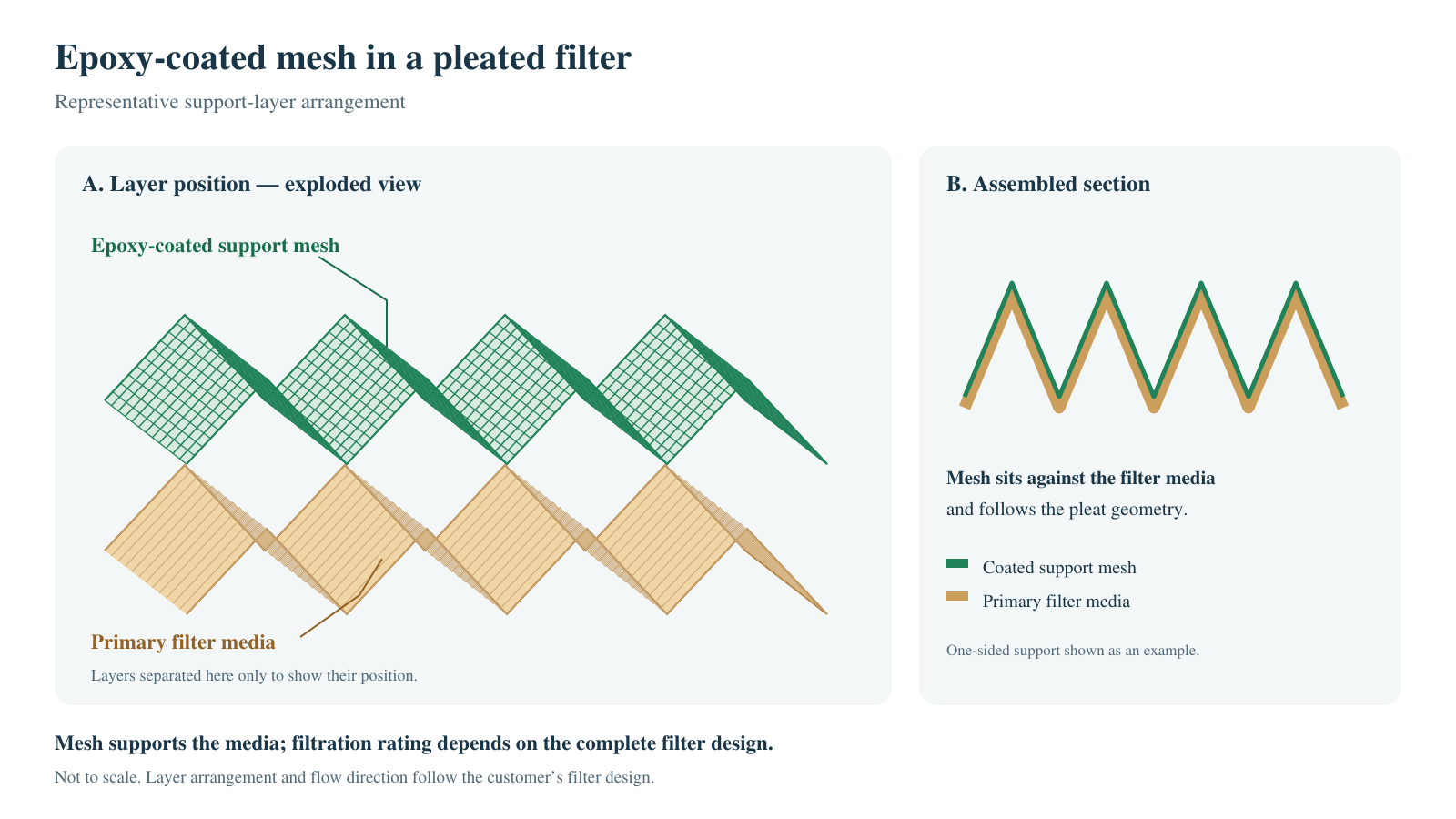
The coated mesh is placed against the primary filter media and can follow the pleated shape during the filter manufacturer’s forming process. The mesh provides mechanical backing, while the primary media and complete filter design determine filtration performance. The illustration shows one possible layer arrangement; the actual support position follows the customer’s filter design.
Specifications and Supply Forms
| Item | Supply information |
|---|---|
| Base material | Q195 low-carbon steel; stainless steel or aluminum available to custom order |
| Weave | Primarily plain weave |
| Common mesh counts | 12 × 10, 16 × 14, 18 × 14 and 22 × 20 mesh per inch |
| Fine support wire range | Approximately 0.18–0.50 mm, measured on bare wire before coating |
| Custom coarse wire | Wire diameters up to approximately 5 mm for separately specified custom coarse mesh |
| Epoxy coating | Approximately 30 μm combined dry-film thickness across both sides of the wire |
| Colors | Green, white, gray, red and blue; custom coating colors to agreed requirements |
| Standard roll width | 1,300 mm; other dimensions can be customized |
| Maximum roll length | Up to 300 m; long rolls supplied without splices |
| Supply forms | Full-width rolls, slit strips and cut pieces |
| Customization | Mesh count, wire diameter, roll dimensions, slit/cut dimensions and coating color |
Wire diameter refers to the bare metal wire. The nominal 30 μm coating value is the combined dry-film thickness across both sides of the wire. Mesh count and wire diameter are specified to the order requirements. Custom coarse wire up to approximately 5 mm belongs to a separate coarse-mesh specification.
From Woven Mesh to Coated Support Material
Metal wire is prepared and woven into the base mesh. The mesh surface is prepared, electrostatically coated with epoxy resin powder and heated to cure the coating. The finished material is slit or cut to the required supply dimensions. The metal backing provides support, and the cured coating forms a protective surface. Coating selection should account for contact with the filter media, process conditions and operating environment.
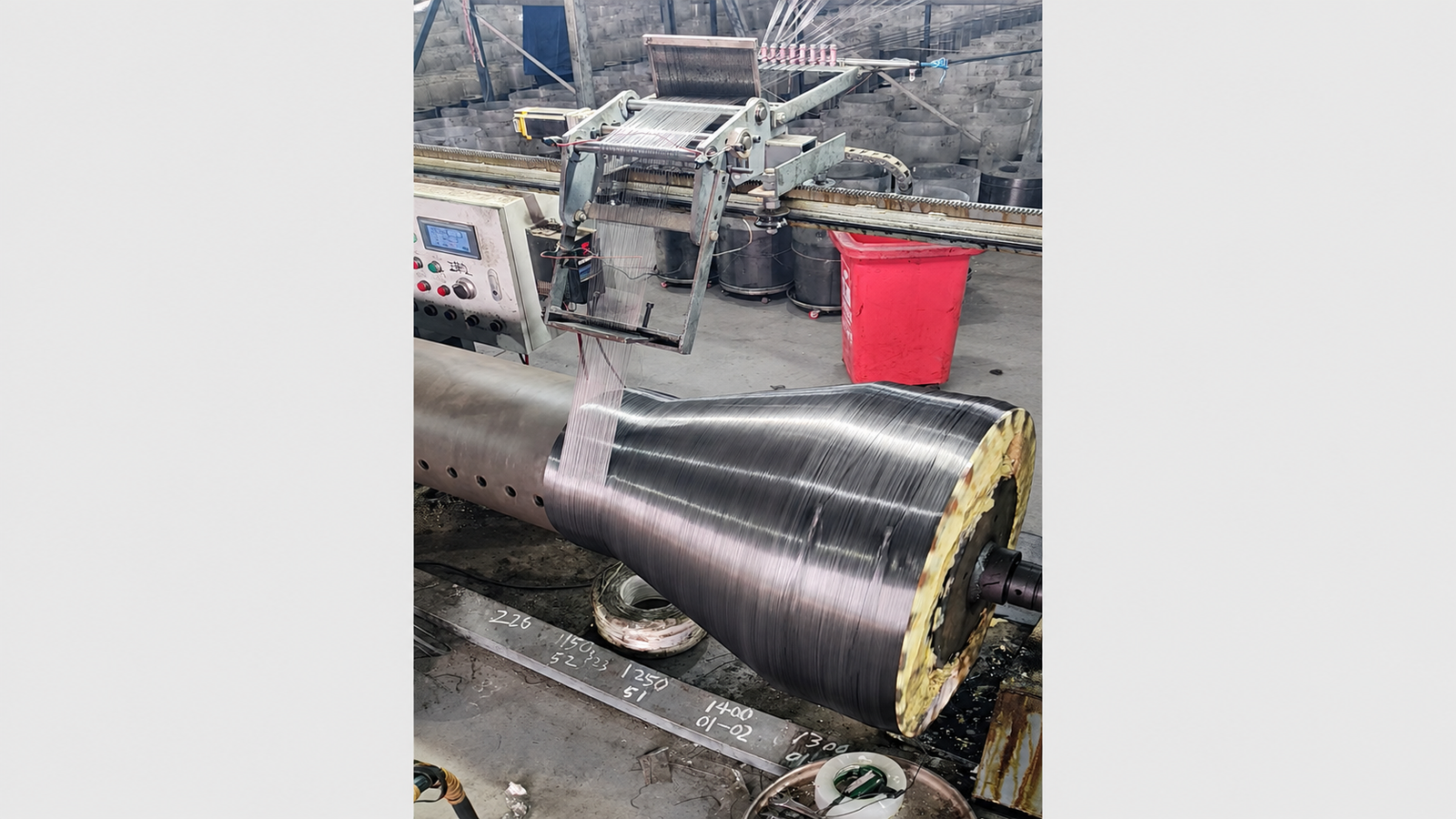
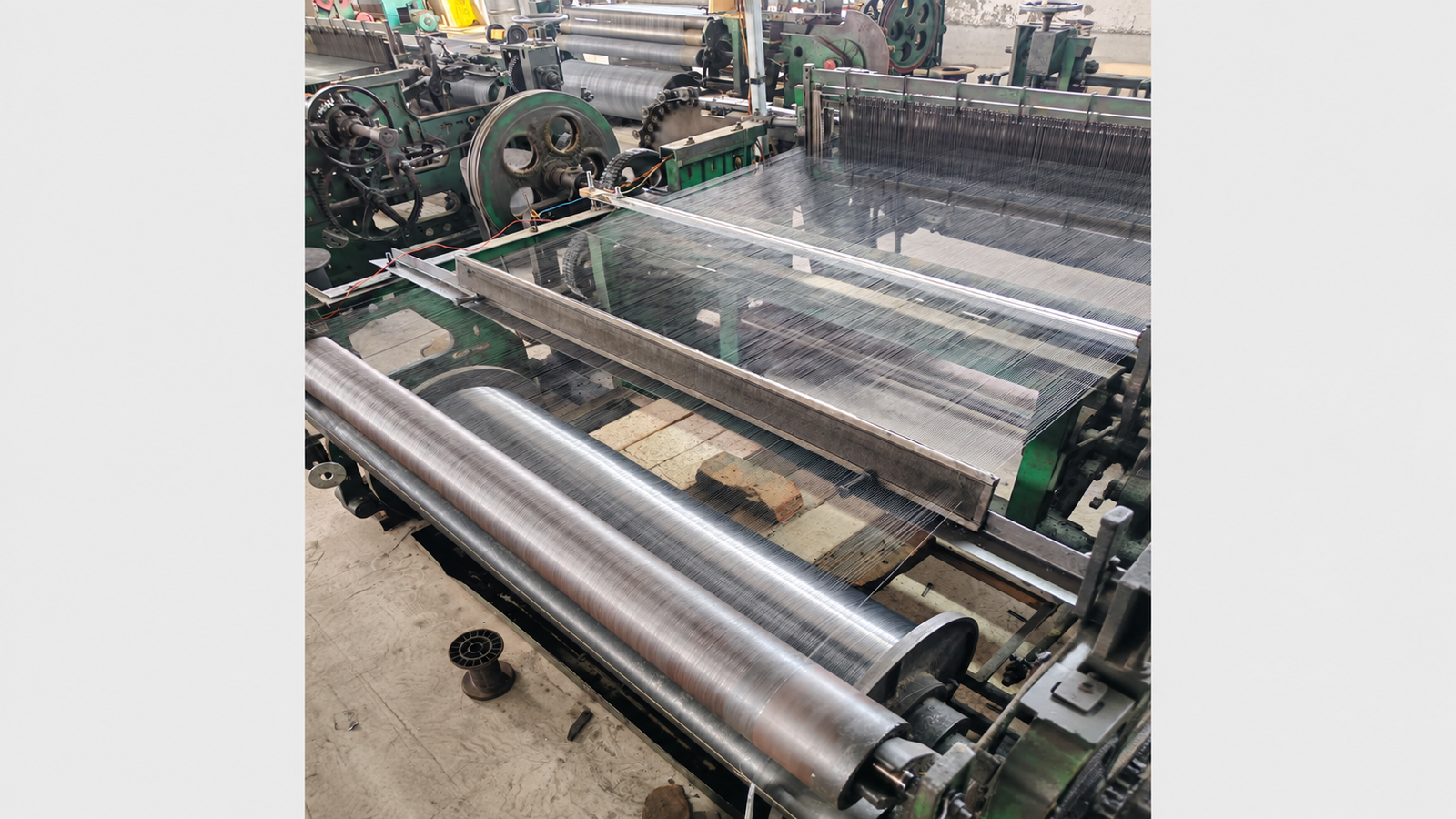
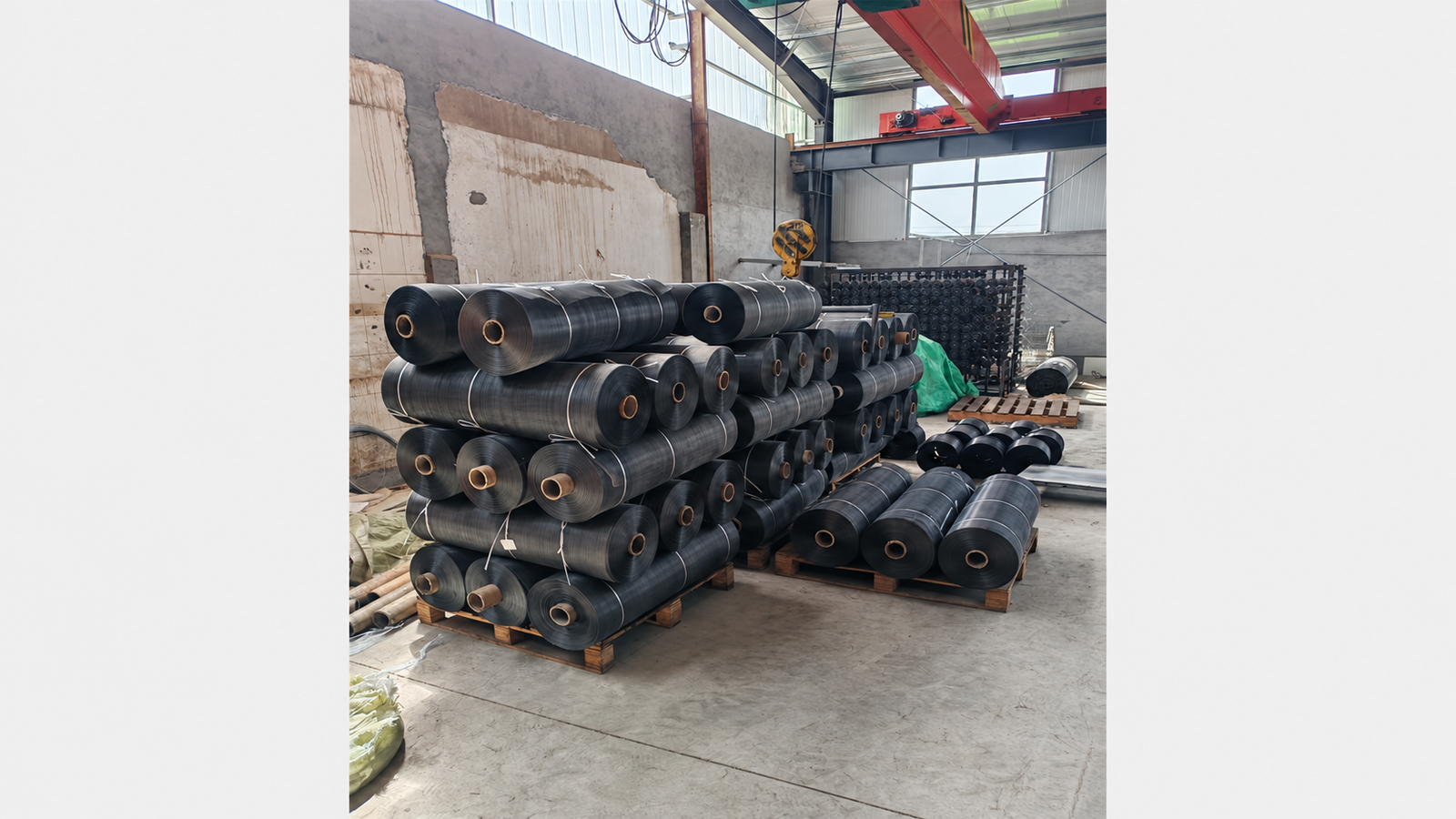
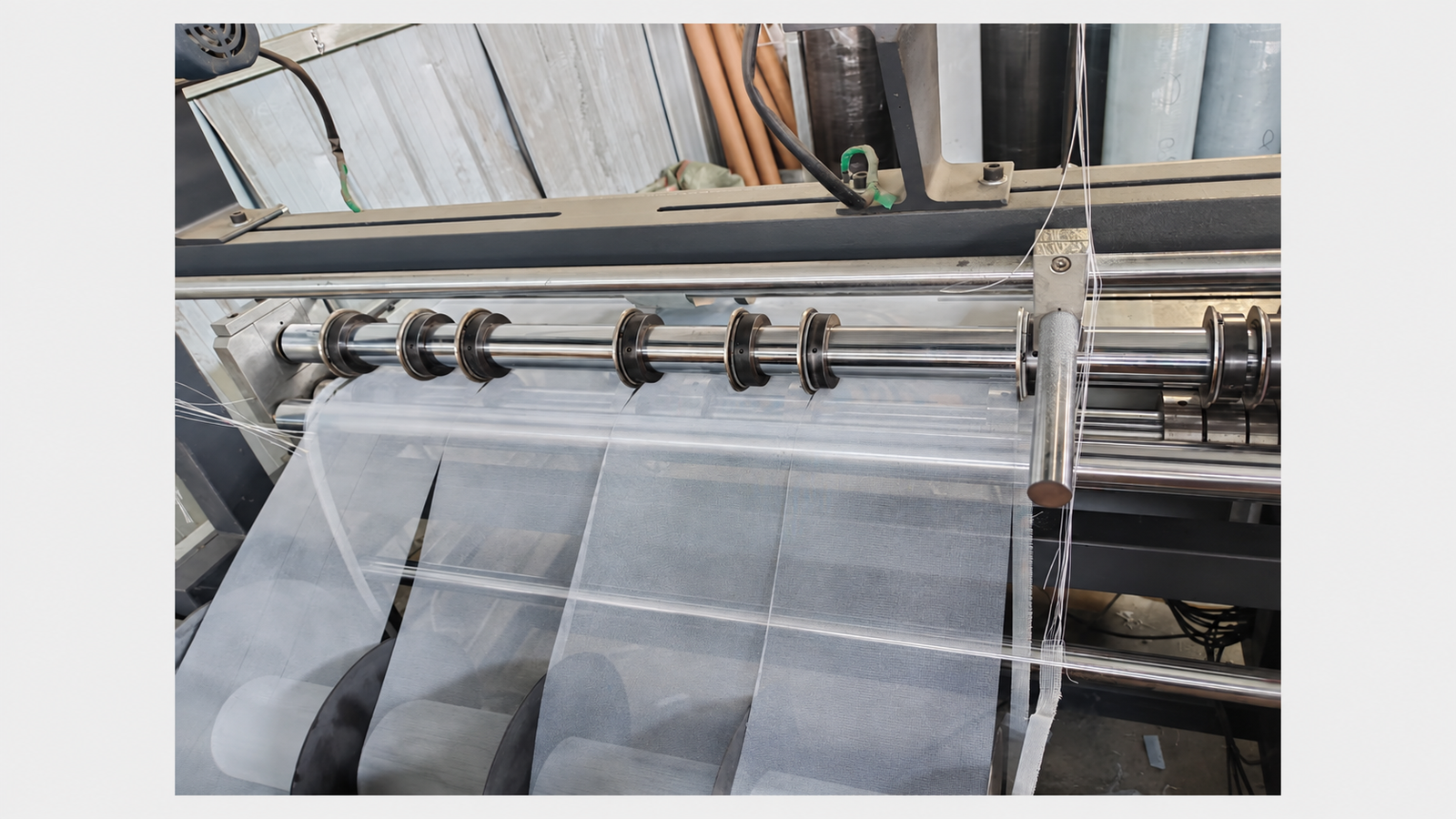
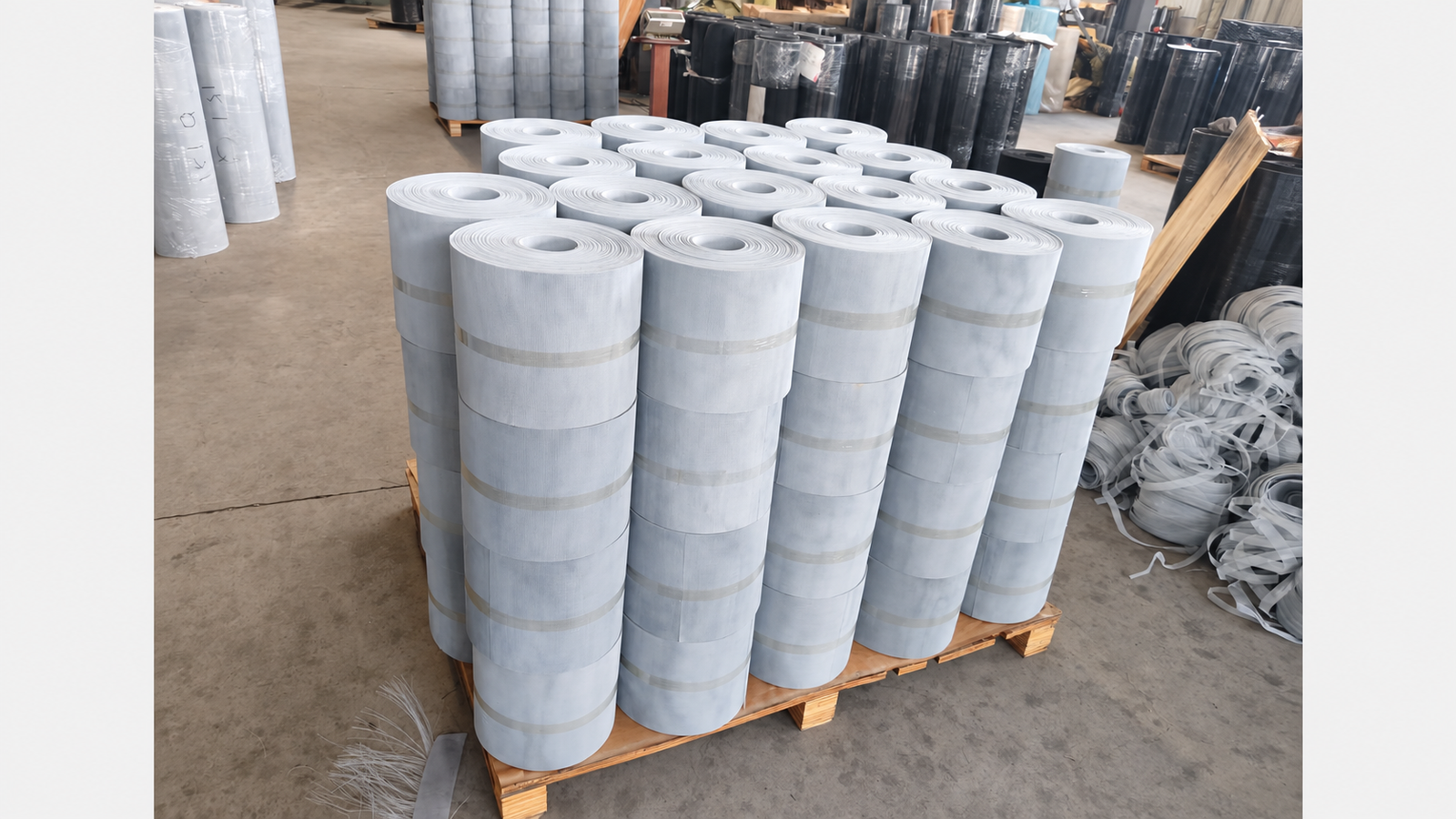
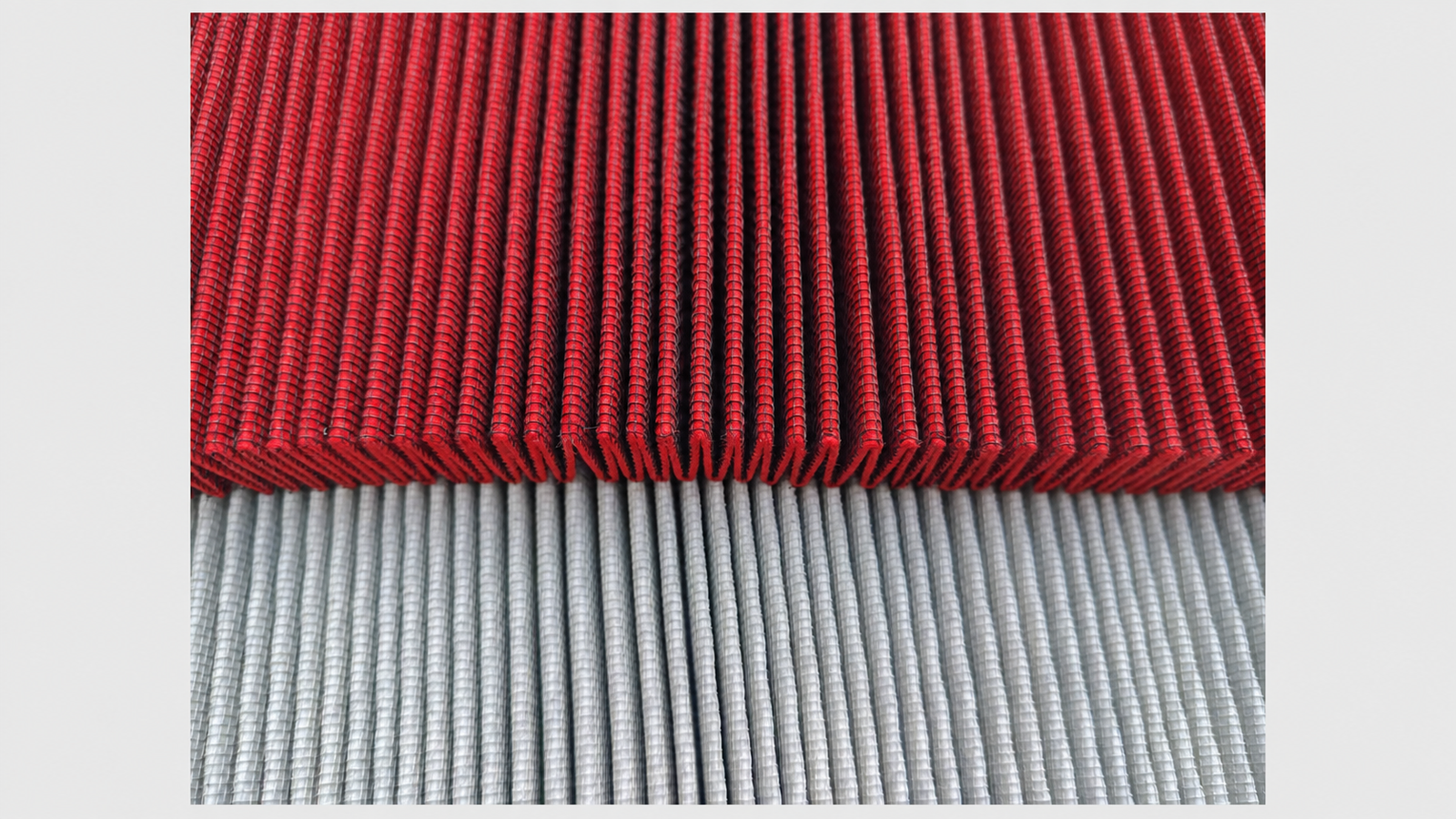
Application sample only. We supply rolls, strips and cut pieces; pleating and filter assembly are performed downstream.
Applications and Selection
- Automotive air filters: backing for filter media where support and pleat stability are required.
- Industrial air filters: support layers in compatible panel or cartridge filter designs.
- Hydraulic and lubrication filters: an application-specific option where the epoxy coating has been evaluated with the intended oil and operating conditions.
Select the mesh together with the filter media, coated opening, required open area, pleat geometry, differential pressure, fluid and temperature. Coating buildup changes the finished opening. Slitting and cutting may expose the metal core at cut edges; edge condition should be considered in the filter design. Fluid and temperature compatibility should be established for the specified coating system.
Inspection and Documentation
Inspection requirements can cover base material, mesh count, wire diameter, openings, width and cut dimensions, weaving defects and appearance. Coated-mesh checks can include coating coverage, visible blocked openings, color, slit edges, winding condition and splice-free roll requirements.
MTCs and material composition testing can be provided as required. Customer-specified third-party inspection can be arranged, with cost and timing agreed separately. Coating adhesion, bending, oil immersion and salt-spray testing should be specified with the test method, specimen preparation, exposure conditions and acceptance criteria. Filtration efficiency and pressure-drop evaluation depend on the complete filter assembly and are addressed to order requirements.
Coating Validation
| Test item | ISO reference | ASTM reference | Automotive OEM reference |
|---|---|---|---|
| Adhesion — cross-cut / tape | ISO 2409 | ASTM D3359 Method B | GMW14829, if specified by the customer |
| Supplementary cross-cut / X-cut | ISO 16276-2 — subject to scope and specimen suitability | — | Customer-specified |
| Pull-off strength — supplementary | — | ASTM D4541 — subject to specimen suitability | Customer-specified |
| Bend / pleat flexibility | ISO 1519; ISO 17132 (T-bend) | ASTM D522/D522M; ASTM D4145 (T-bend) | Customer-specified bend radius and pleat sample |
| Oil immersion | ISO 2812-1 — non-water liquid immersion framework | ASTM D6943 — industrial coating immersion, if applicable | GMW / Ford WSS-M / Chrysler MS: specific customer-supplied specification |
| Neutral salt spray (NSS) | ISO 9227 NSS | ASTM B117 | Customer-specified exposure and acceptance criteria |
| Modified salt spray | — | ASTM G85 — selected Annex A1–A5 | Customer-specified |
| Cyclic corrosion | — | — | GMW14872 — agreed cyclic test program |
These references guide method selection. Supplementary methods require a suitable specimen and agreed evaluation procedure. The customer specifies the applicable standard, exposure conditions and acceptance criteria.
Coating evaluation is matched to the customer’s filter design and operating conditions. Test references include ISO 2409 or ASTM D3359 for adhesion; ISO 1519 or ASTM D522/D522M for mandrel bending; and ISO 17132 or ASTM D4145 where coated-panel T-bend methods are applicable.
Actual mesh pleating is evaluated with the customer’s specified bend radius and pleat-height/pleat-pitch sample. The agreed visual criterion is no cracks, peeling or coating detachment under 10× magnification.
Oil-immersion evaluation follows the specified fluid, temperature, duration and customer material specification. Agreed acceptance criteria include no blistering, swelling, softening, coating separation or loss of adhesion.
Corrosion testing can be specified as ISO 9227 NSS or ASTM B117, a selected ASTM G85 modification, or GMW14872 cyclic corrosion. Exposure conditions, specimen preparation, cut-edge treatment, scribing and acceptance limits are confirmed separately for each method.
Factory-declared test capability: the factory confirms the stated testing capability and will supply reports later. The factory confirms ISO 2409 Class 0 and ASTM D3359 Method B 5B; the test reports will document the specimen, method and results separately. The factory’s 500 h statement relates to GMW14872 only; cycle conditions and permitted scribe creep remain to be documented.
Common Questions
Do you supply pleated mesh or formed filter components?
We supply rolls, slit strips and cut pieces. Pleating, forming and filter assembly are performed by the downstream manufacturer.
Can I order a custom mesh or roll size?
Yes. Provide the mesh count, wire diameter, width, roll length, coating color and any slit or cut dimensions. Dimensions and tolerances are confirmed against the order requirements.
Does the epoxy mesh define the filter’s micron rating?
For the support-layer applications described here, filtration performance is determined by the primary media and complete filter design. The support mesh count should not be used as the filter’s micron rating.
What salt-spray performance is available?
ISO 9227 NSS or ASTM B117 can be specified for neutral salt-spray testing. Modified salt spray under a selected ASTM G85 method and cyclic corrosion under GMW14872 are separate test options. Each test requires its own exposure program and acceptance criteria.