Liquid and gas applications
Liquid duties include water and wastewater, lubricating and hydraulic oils, fuel oils, solvents and chemical process liquids. Selected constructions can also serve as coarse filters for polymer melts. Gas duties include air, fuel gas, synthesis gas and compressed-air prefiltration; confirm the particle target, corrosion conditions and pressure requirements for each service.
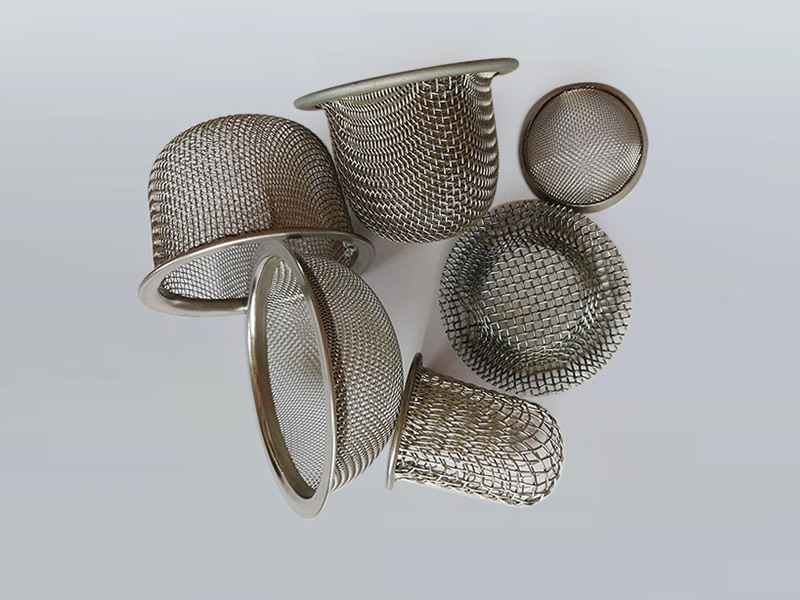
- Hydraulics and lubrication: oil prefiltration for machinery and excavators, using the specified disc or cylindrical construction.
- Oil and gas: removal of solid particles from fuel, oil and process liquids to help protect pumps, heat exchangers and downstream equipment.
- Chemicals and pharmaceuticals: particle interception in streams containing catalyst fines, crystals or other process solids; required retention and validation must be agreed.
- Water treatment: prefiltration to protect membranes, nozzles and pumps.
- Food and beverages: process-liquid filtration where material, finish and applicable food-contact requirements are confirmed.
- Automotive and appliances: fuel, transmission, breather and appliance filter components.
- Plastics: coarse melt filtration and recycled-material processing; see our extruder screens and screen packs for dedicated melt-filter constructions.
Cleaning, reuse and replacement
Select a cleaning method compatible with the contaminant, fine mesh, welds, support and any molded components. Reverse-flow flushing or backwashing is possible for suitable structures. Online cleaning requires a compatible housing, valves and flow arrangement; the mesh element alone does not provide automatic cleaning.
- Water or steam flushing: begin at low pressure and use only an agreed pressure and temperature.
- Compatible solvent or detergent soaking with gentle soft-brush cleaning for oily deposits.
- Compressed-air reverse cleaning where suitable for the gas duty and element construction.
- Short, low-power ultrasonic cleaning for suitable small or precision parts.
- Controlled thermal or pyrolysis cleaning only for compatible all-metal elements contaminated with polymer; confirm the alloy and procedure first.
Inspect the mesh, seams, rims and seals after cleaning. Repeated cleaning can loosen or deform fine mesh and change its openings. Replace damaged elements or those that no longer meet the agreed specification. For high-contamination or abrasive service, agree replacement criteria alongside the cleaning procedure and post-cleaning inspection.
Evidence follows the delivered form
| Supplied stage | Relevant evidence |
|---|
| Mesh material | Material identity, weave, wire/aperture specification and source inspection scope. |
| Formed or semi-finished part | Post-forming critical openings, edge condition, seam/joint location and dimensions affected by fabrication. |
| Complete element | Finished dimensions, support, connections, seals and the agreed inspection or performance evidence for the delivered item. |
Match the evidence to the delivered stage: use material records for the mesh, post-forming checks for critical openings and joints, and assembly checks for the complete element. Define the checks and specimen in the order; this table is an inspection-planning aid, not a declaration that every unit receives all functional tests.
Manufacturing inspection
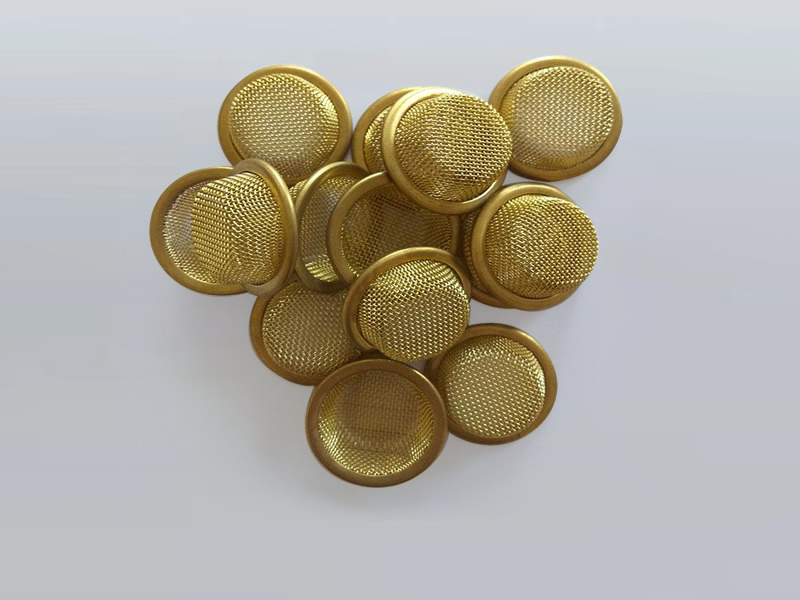
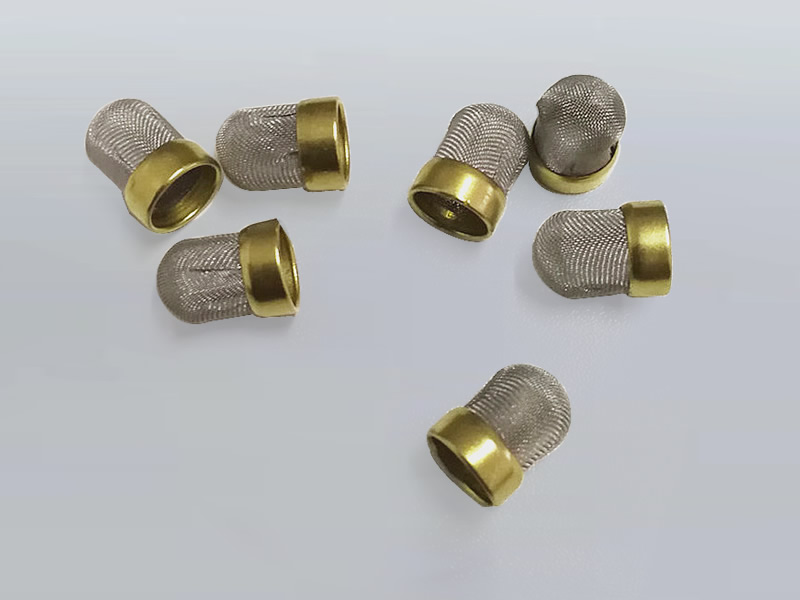
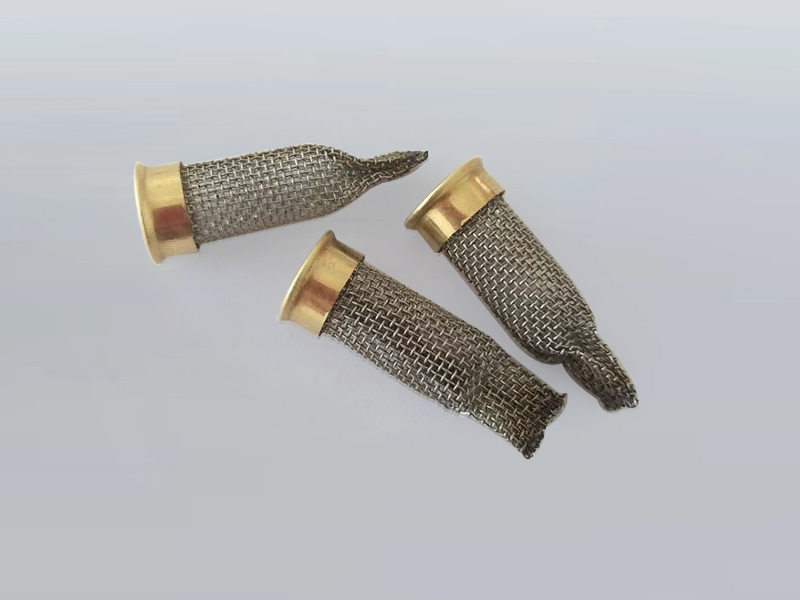
- Dimensions: outside and inside diameters, height, flange hole spacing, rim height and closure or clamping details against the drawing.
- Welds: uniform spot or seam welds, checked for weak or missed welds, separation and burn-through.
- Edges: cut edges, folds and weld areas checked for sharp burrs and projections.
- Mesh and layers: mesh specification, weave, layer count and sequence; checks for broken wires, misalignment and irregular openings.
- Materials: metal grade checked against available material certificates; plastic and rubber specifications checked against the agreed component requirements.
Custom manufacture and replacement
Design for a new application
Provide the medium, particle target, flow, temperature, system pressure, allowable differential pressure, installation space and cleaning method. We review the mesh, support, shape and connections before agreeing the drawing and checks.
Manufacture to drawing
Send your drawing and specify each mesh layer, material, tolerances, supports, seams, end fittings and molded parts. Replacement filters are manufactured to the agreed specification.
Recreate from a sample
Send the existing sample or photos, main dimensions and quantity. We can review mesh construction and fittings, then clarify the original material grade and filtration requirements before agreeing the replacement specification.
Wire mesh filter FAQ
Are these filters made from sintered mesh?
This page primarily covers ordinary woven wire mesh, in single-layer or multilayer constructions, optionally with perforated supports. Sintered mesh elements are a separate product option.
Does a micron value guarantee that every particle of that size is retained?
No. A mesh opening or nominal rating does not establish absolute retention efficiency. Define the required performance and test method when ordering.
Can you provide plastic and rubber frames?
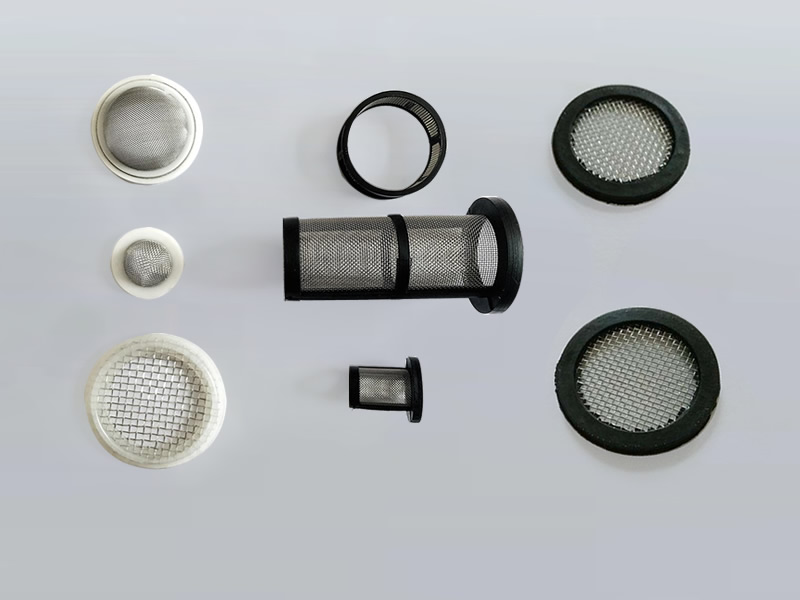
Yes. Plastic edging or encapsulation and rubber frames are available. Specify the material, geometry, medium and temperature so compatibility can be reviewed.
Can wire mesh filters be cleaned and reused?
Suitable elements can be cleaned using an agreed procedure, then inspected before reuse. Damaged, loose or deformed mesh must be replaced.
What pressure and temperature can a filter withstand?
The limits depend on the complete element and application. Send the operating conditions, pressure direction and drawing for confirmation; there is no single rating for every product form.