
FILTALLOY TECHNOLOGY LTD.

Metal Filter Elements & Materials

Home » Application » New Energy Industry
New energy application illustration

Metal Mesh and Porous Components for Hydrogen Electrolysis

Filtalloy supplies metal mesh and porous metal components for hydrogen electrolysis development and equipment projects. The main routes covered here are nickel mesh for alkaline electrolysis and titanium porous materials for suitable PEM electrolyzer designs. Battery-process filtration is reviewed as a separate application.

We manufacture media and drawing-defined components; stack performance depends on the complete cell, coatings, catalyst layers, interfaces and operating conditions. Share the electrolyzer type and component function before choosing a material.

Hydrogen Electrolysis Components: Separate Alkaline and PEM Duties

  • Nickel mesh electrode substrates: for specified alkaline designs, define nickel grade, weave, thickness, open area and the subsequent catalyst or surface treatment.
  • Titanium porous transport layer: for suitable PEM designs, specify thickness, pore structure, porosity, flatness, surface condition and coating requirements.
  • Expanded or woven metal structures: select the metal, pattern and mechanical properties for a drawing-defined electrode substrate, support or current-collection function.
  • Process-liquid filtration: separately define electrolyte or manufacturing-fluid composition, contaminant size, retention and cleanliness requirements.

Material Choice Does Not Establish Cell Performance

Nickel mesh is not interchangeable with a titanium porous transport layer. Contact resistance, compression, transport, corrosion and surface treatments require evaluation in the intended cell. More geometric area does not by itself guarantee higher energy density, capacity or hydrogen production.

Nickel Mesh and Titanium Porous Materials

Nickel wire mesh for alkaline water electrolysis can be supplied as rolls, strips, discs, custom profiles, formed cylinders or welded pieces. Annealing, calendering, flattening, cleaning and deburring are reviewed against the required final condition.

For titanium porous transport layers, discuss the required porous construction and manufacturing boundaries through our metal fiber felt range. Details of specific finished constructions remain project-specific.

For technical context on electrolysis architectures and porous-layer fabrication, see DOE electrolysis guidance and H2NEW porous transport layer research.
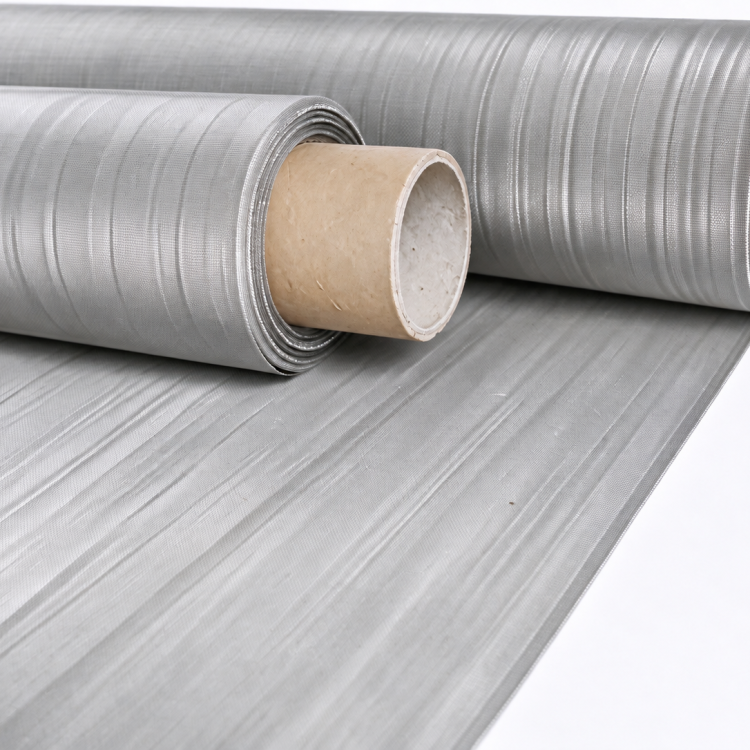
Nickel Wire Mesh

Nickel Wire Mesh

Nickel woven mesh for specified alkaline electrolysis substrates and component designs. Rolls and drawing-defined pieces are available with agreed weave, geometry and final surface condition.

Learn more →

Sintered Metal Fiber Felt

Sintered Metal Fiber Felt

Porous metal fiber felt for project-defined components. For PEM titanium porous layers, specify material, thickness, porosity and surface requirements; validate the construction in the intended cell.

Learn more →

Additional Metal Components and Process Filters

Micro expanded metal mesh

Micro Expanded Metal

Expanded metal structures for drawing-defined electrode substrates or supports. Specify alloy, opening pattern, thickness, flatness and surface condition; validate their electrical function in the intended assembly.

Titanium Wire Mesh

Titanium Wire Mesh

Titanium wire mesh for specified electrode, current-collection or support designs. Define weave, geometry and contact requirements; titanium mesh and sintered titanium felt are different structures.

Asymmetric Sintered Metal Filter

Asymmetric Sintered Metal Filter

Asymmetric porous metal elements for suitable process-liquid filtration. Specify the media structure, fluid compatibility, particle retention and acceptance method. A nominal rating alone does not establish removal efficiency.

Discuss Your Electrolysis Component Requirements

Information Needed for an Electrolysis Component

  • Alkaline, PEM or other cell architecture and the exact component function.
  • Material grade, thickness, dimensions and drawing tolerances.
  • Weave or pore structure, porosity, open area and supporting geometry.
  • Operating chemistry, temperature, pressure and cell compression conditions.
  • Surface condition, coating or catalyst interfaces and contact requirements.
  • Cleanliness, handling, packaging and acceptance tests.
  • For liquid filters: contaminant distribution, flow, viscosity and differential pressure.

Inspection and Validation

Agree dimensional, thickness, material and specified porous-media checks before manufacture. Electrical resistance, corrosion, transport and durability acceptance must be tied to a defined test. Component inspection does not establish stack efficiency or lifetime.

Frequently Asked Questions

Is nickel mesh a complete electrolyzer electrode?

It may serve as a substrate or another specified component. Catalyst, surface treatment, electrical connections and cell design must be defined for the project.

Is titanium mesh the same as a PEM porous transport layer?

No. Woven mesh and porous felt have different structures. The stack designer specifies the required transport, interface and mechanical properties.

Does expanded mesh guarantee higher battery capacity?

No. Capacity depends on the complete electrochemical system. Geometry alone does not establish an energy-storage benefit.

Can a 0.1 μm rating guarantee electrolyte purity?

No. Define rating, test method, contaminant properties and the required downstream condition. Particulate filtration does not remove every dissolved contaminant.

Can you supply drawing-defined shapes?

Yes. Send the material, structure, dimensions, final surface condition and acceptance requirements for manufacturing review.

Three Ways to Start Your Project

  1. Requirements-based customization: share the operating conditions and component function for a new project.
  2. Drawing-based customization: send the approved drawing, revision and acceptance requirements.
  3. Sample-based customization: arrange a sample for measurement and construction review, together with the original duty where available.

Use the form below to discuss your component requirements. For PEM component selection, read pure titanium felt as a PTL and how titanium felt quality affects PEM electrolyzers.

QUESTIONS? MESSAGE US NOW!