Hot Gas Filters Made from Sintered Metal Fiber
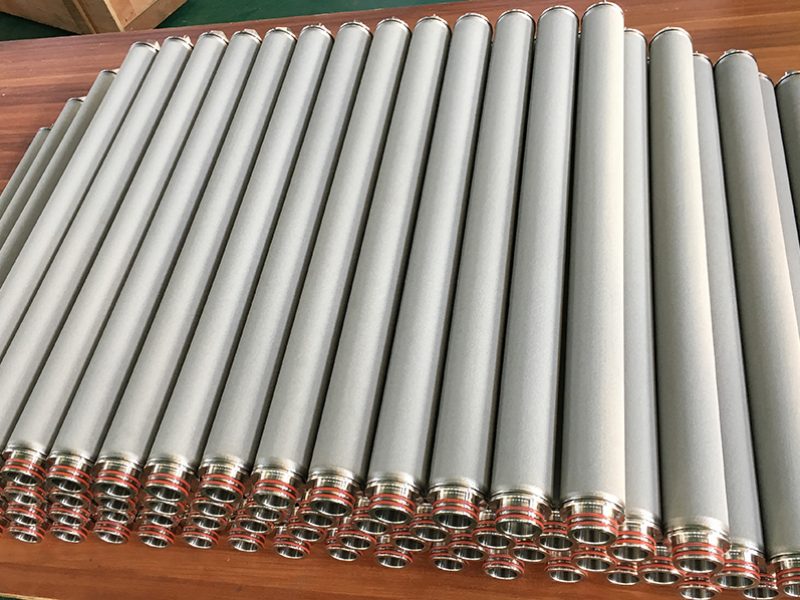
Filtalloy manufactures cylindrical hot gas filter elements using sintered metal fiber media. One-piece and two-section constructions, custom flanges, connections and support arrangements are available.
Send your drawing or existing element details to discuss a new component or replacement. Material and cleaning requirements are reviewed for the actual gas, dust and operating conditions.
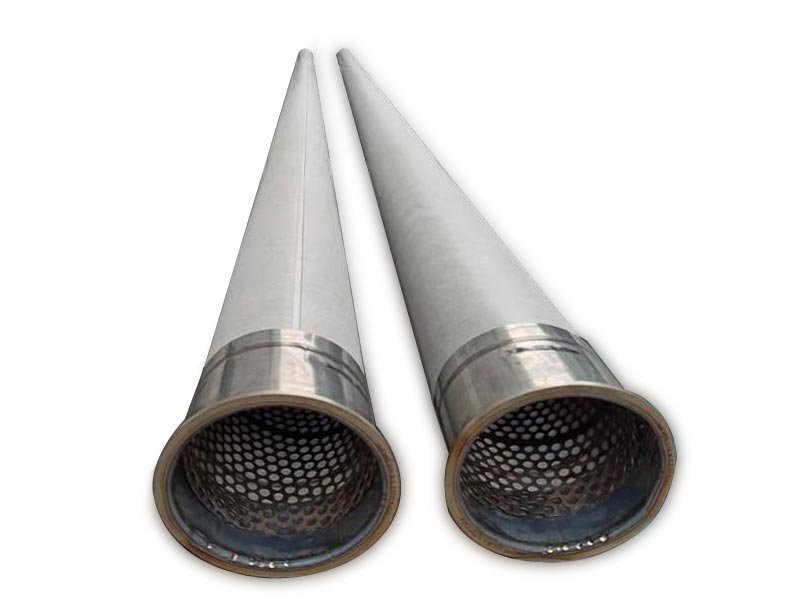
Supply Forms and Product Configurations
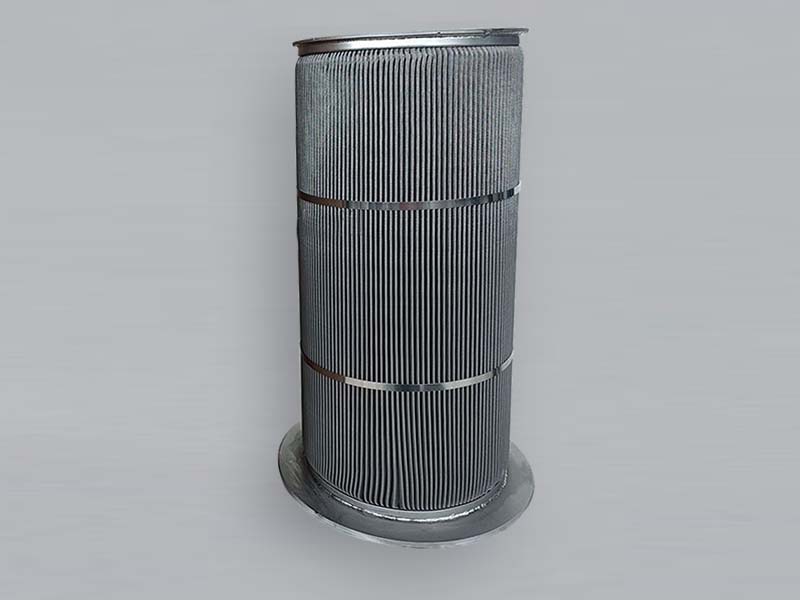
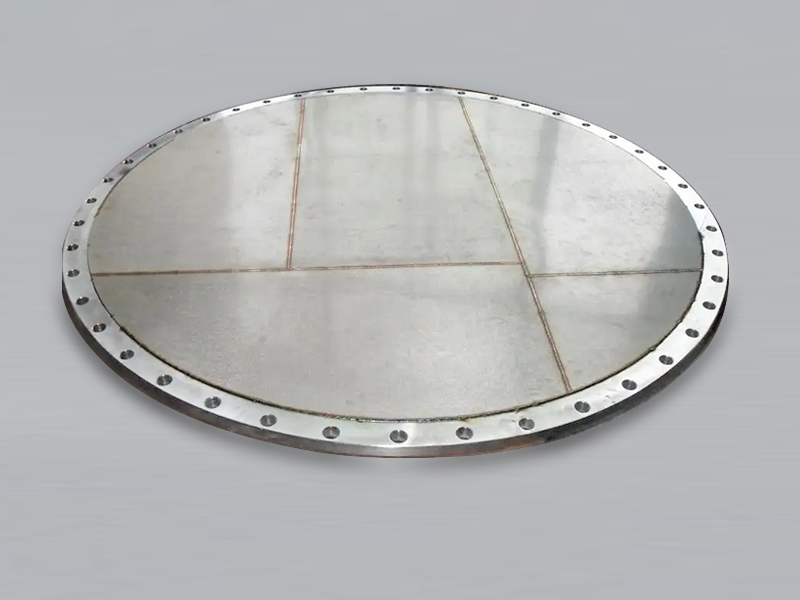
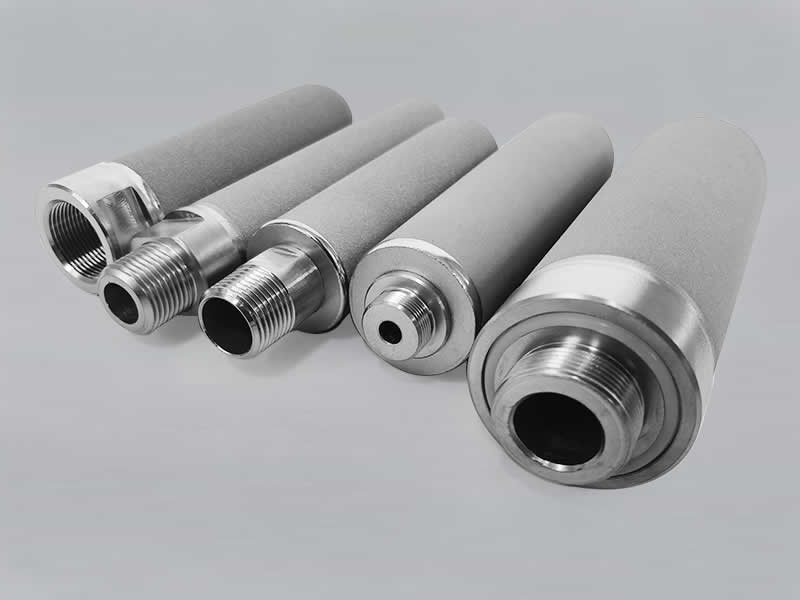
The views below show product forms and construction details. Send the drawing or existing specification for the configuration you need.
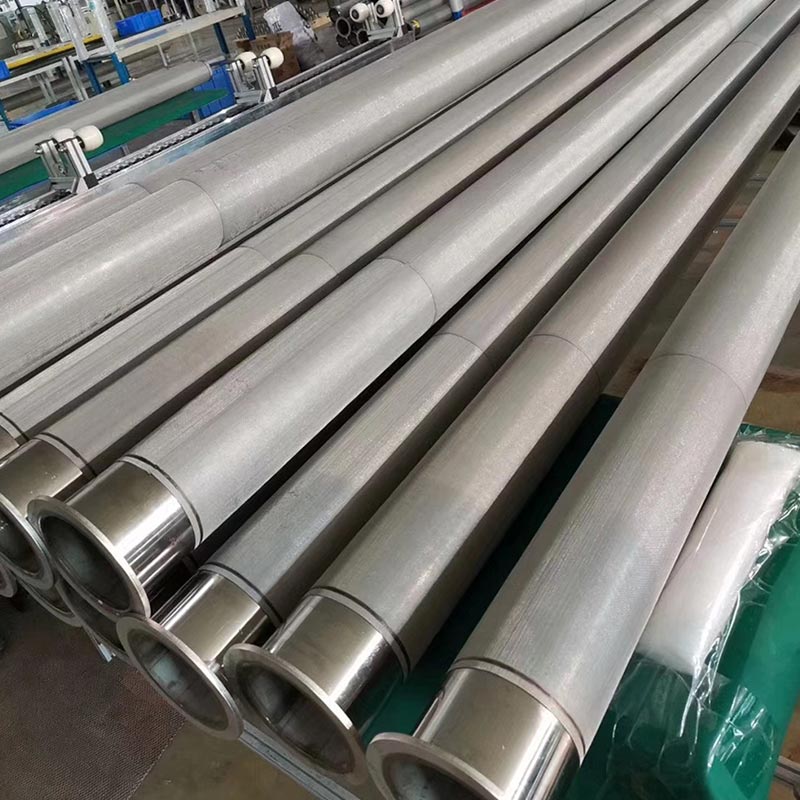
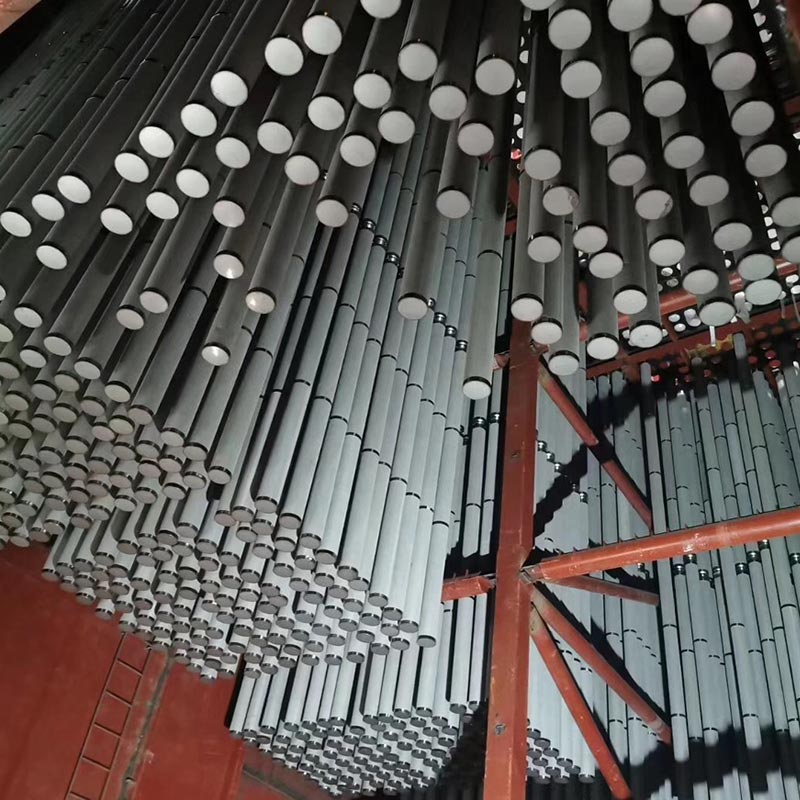

Material Options for Hot Gas Filtration
Available material options include:
- 316L stainless steel: reviewed against gas composition, temperature and corrosion exposure.
- 310S stainless steel: considered for high-temperature duties after reviewing the gas environment and complete element construction.
- 0Cr21Al6 (FeCrAl): an iron-chromium-aluminum alloy option evaluated for the specified atmosphere and temperature profile.
- Other alloys: material availability and manufacturing options can be discussed for the application.
Provide continuous and peak temperatures, exposure duration, and start-up and shutdown conditions separately. A material melting point does not define the allowable operating temperature of the complete filter element.
Exposure and thermal cycles in the complete element
Compare continuous exposure, temperature peaks and repeated startup or shutdown separately. The same stated maximum temperature can describe different duties when holding time, gas composition, moisture and cycling differ. Material selection therefore needs the atmosphere as well as the temperature profile.
Record changes at the fine-fiber surface, support, weld regions and end connections during inspection. Surface discoloration alone does not establish corrosion depth or remaining strength. If deposits, scale-like debris, distortion or cracking appear, retain the location and exposure history for appropriate investigation rather than assigning the cause from a photograph.
An alloy described as oxidation resistant still needs assessment in the actual gas and assembled construction. The specified medium does not raise the limits of the housing, seals or mounting arrangement. For the manufacturing distinction between layers and inlet face, see graded felt construction.
Filter Media and Element Specifications
The following reference media parameters are retained from our existing product data. Confirm the supply specification for the selected material and element design.
| Parameter | Unit / condition | 316L | 310S | 0Cr21Al6 |
|---|---|---|---|---|
| Filter media thickness | mm | 0.65 | 0.65 | 0.65 |
| Porosity | % | 75 | 75 | 68 |
| Air permeability | m³/(m²·min) at 0.2 kPa differential pressure | 21-27 | 21-27 | 21-27 |
0.65 mm is the filter media thickness. Porosity and air permeability describe the medium; they do not directly specify system capacity, particle-removal efficiency or outlet emissions.
Reference Element Dimensions
| Specification of Hot Gas Filtration Elements | ||||
| Product ID | OD (mm) | ID (mm) | Length (mm) | Filtration area (m2) |
| FLA-130/1500 | 130 | 128 | 1500 | 0.61 |
| FLA-160/1500 | 160 | 158 | 1500 | 0.75 |
| FLA-130/3000 | 130 | 128 | 3000 | 1.22 |
| FLA-160/3000 | 160 | 158 | 3000 | 1.5 |
| FLA-130/4000 | 130 | 128 | 4000 | 1.63 |
| FLA-160/4000 | 160 | 158 | 4000 | 2.01 |
| FLA-130/5000 | 130 | 128 | 5000 | 2.04 |
| FLA-160/5000 | 160 | 158 | 5000 | 2.51 |
| FLA-130/6000 | 130 | 128 | 6000 | 2.45 |
| FLA-160/6000 | 160 | 158 | 6000 | 3.01 |
| FLA-60/1500 | 60 | 56 | 1500 | 0.28 |
| FLA-60/2000 | 60 | 56 | 2000 | 0.38 |
| FLA-60/3000 | 60 | 56 | 3000 | 0.57 |
The table lists reference outside diameter (OD), inside diameter (ID), length and filtration area. State the measurement positions, effective filtering length, interfaces and tolerances on the drawing. Final effective area is confirmed for the supplied construction.
Key Features
- Sintered metal fiber media combined with a support structure selected for the element design.
- One-piece or two-section construction to suit element length, transport and installation access.
- Custom diameters, lengths, flanges, connections and support arrangements.
- Material and cleaning options reviewed against the actual gas, dust and operating conditions.
Sintered Metal Fiber Filter Structure
The filter medium combines a supporting mesh with coarse and fine metal fiber layers, sintered to form a porous structure. The layer arrangement and filtering-face orientation are selected together with the gas flow direction, particle requirements and cleaning method.
The finished element also includes the specified internal support, flange, end cap and connecting parts. Filter media thickness is specified separately from the outside and inside diameters of the assembled element.
One-piece and Two-section Hot Gas Filter Elements
Filtalloy supplies one-piece and two-section connected elements. Select the construction according to element length, handling space, transport and installation requirements.
For a two-section element, the connection, sealing and support positions are defined on the project drawing.
Hot Gas Filtration Applications
Applications that can be discussed include dust-laden gas handling in cement, alumina, glass, metallurgy, power generation, waste incineration and catalyst recovery processes. Each project requires a review of particle characteristics, gas composition and operating conditions.
For flue gas filtration, include moisture, sulfur- or chlorine-bearing components, and any condensation during start-up or shutdown. Powder and catalyst recovery projects should specify particle-size distribution, solids loading and recovery requirements.
Baghouse Retrofit Considerations
Before replacing existing bags, check tube-sheet openings, fixing method, seals, element spacing, support, thermal expansion, filter area, fan capacity and the cleaning system. Provide the existing element drawing, equipment photographs and operating data.
Mounting interfaces can be designed for the project. Tube-sheet or support modifications are determined after the dimensions and operating conditions have been reviewed.
Cleaning and Maintenance
For pulse or reverse-flow cleaning, review the cleaning gas, pressure, frequency, nozzle arrangement and element support together. Compare clean, operating and post-cleaning differential pressure to assess cleaning effectiveness and maintenance needs.
Select offline cleaning according to the deposit, material and assembled structure. Sticky, oily or condensable components require particular attention. Identify the cause of plugging and assess a sample cleaning method before applying it to a complete element.
A cleaning cycle needs resistance and outlet evidence
Compare post-cleaning resistance over repeated events at comparable actual gas flow, temperature and measurement boundaries. A growing residual resistance calls for investigation of deposits, gas conditions and the cleaning arrangement. A falling resistance with increased outlet particles directs attention to seals, joints and the filtering boundary as well.
Record the pulse sequence, gas-supply conditions and relevant observations without treating supply pressure as the instantaneous differential pressure across the medium. A two-section element also needs the intermediate connection included in the sealing and load review. The fiber felt cleaning and reuse guide distinguishes cyclic gas cleaning from offline treatment; biomass flue gas filtration explains the application evidence.
Frequently Asked Questions
What is a hot gas filter?
A hot gas filter removes solid particles from a hot gas stream. This page covers sintered metal fiber filter elements. Selection depends on the gas, dust, temperature, flow and cleaning conditions.
What are these hot gas filters made from?
The filtering layer uses sintered metal fiber media. The assembled element includes the specified support, flange, end cap and connections. Material options include 316L, 310S, 0Cr21Al6 and other alloys subject to application review.
Is 0.65 mm the total element wall thickness?
No. The 0.65 mm value refers to filter media thickness. Outside diameter, inside diameter, support construction and connection dimensions are specified separately on the element drawing.
How is the operating temperature selected?
Review the material, gas composition, continuous and peak temperatures, exposure duration, support and seals together. A melting point or a single material temperature does not establish a universal operating limit for the assembled element.
Can metal fiber elements replace fabric filter bags?
A retrofit can be evaluated after checking the mounting interface, filter area, support, sealing, thermal expansion, fan capacity and cleaning system. Whether tube-sheet changes are needed depends on that review.
Can these elements be pulse-cleaned?
Pulse or reverse-flow cleaning can be evaluated with the element structure and media. Cleaning gas, pressure, frequency and nozzle arrangement must suit the equipment. Track differential-pressure recovery after cleaning.
Can you supply custom dimensions and connections?
Yes. Diameters, lengths, flanges, connections and support requirements can be reviewed from application data, drawings or samples. One-piece or two-section construction is agreed in the supply specification.
What determines outlet dust concentration?
Media selection, particle size and loading, gas flow, cleaning condition, welds and sealing integrity affect the result. Agree on the outlet target, gas-volume reference conditions and verification method for the project.
Send Your Drawing, Specification or Sample Photos
Send the drawing or existing specification you have, together with the quantity and the parts you need. Sample photos and main dimensions are a useful starting point when a drawing is unavailable.
If you are still defining the product, briefly describe its intended use. We will clarify the additional manufacturing and inspection details with you.