
FILTALLOY TECHNOLOGY LTD.

Metal Filter Elements & Materials

Home » Metal Filter Media and Elements » Pleated Metal Filter

Stainless Steel Wire Mesh Pleated Filter Cartridges

Filtalloy manufactures pleated metal filter cartridges using woven wire mesh, sintered wire mesh or sintered metal fiber felt. We supply finished cartridges with drawing-specified connections, supports, reinforcement and protective sleeves.

Send your drawing, existing specification or sample photos to discuss the medium, dimensions and assembly details.
Send Your Drawing or Requirements

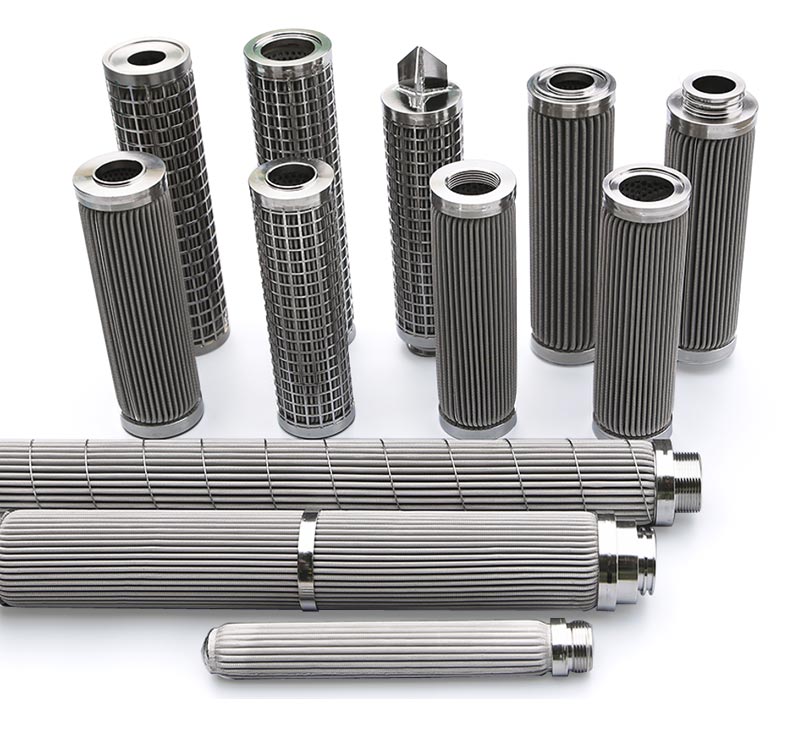
Stainless steel pleated metal filter cartridges with different dimensions and connections

Supply Forms and Product Configurations

The views below show product forms and construction details. Send the drawing or existing specification for the configuration you need.
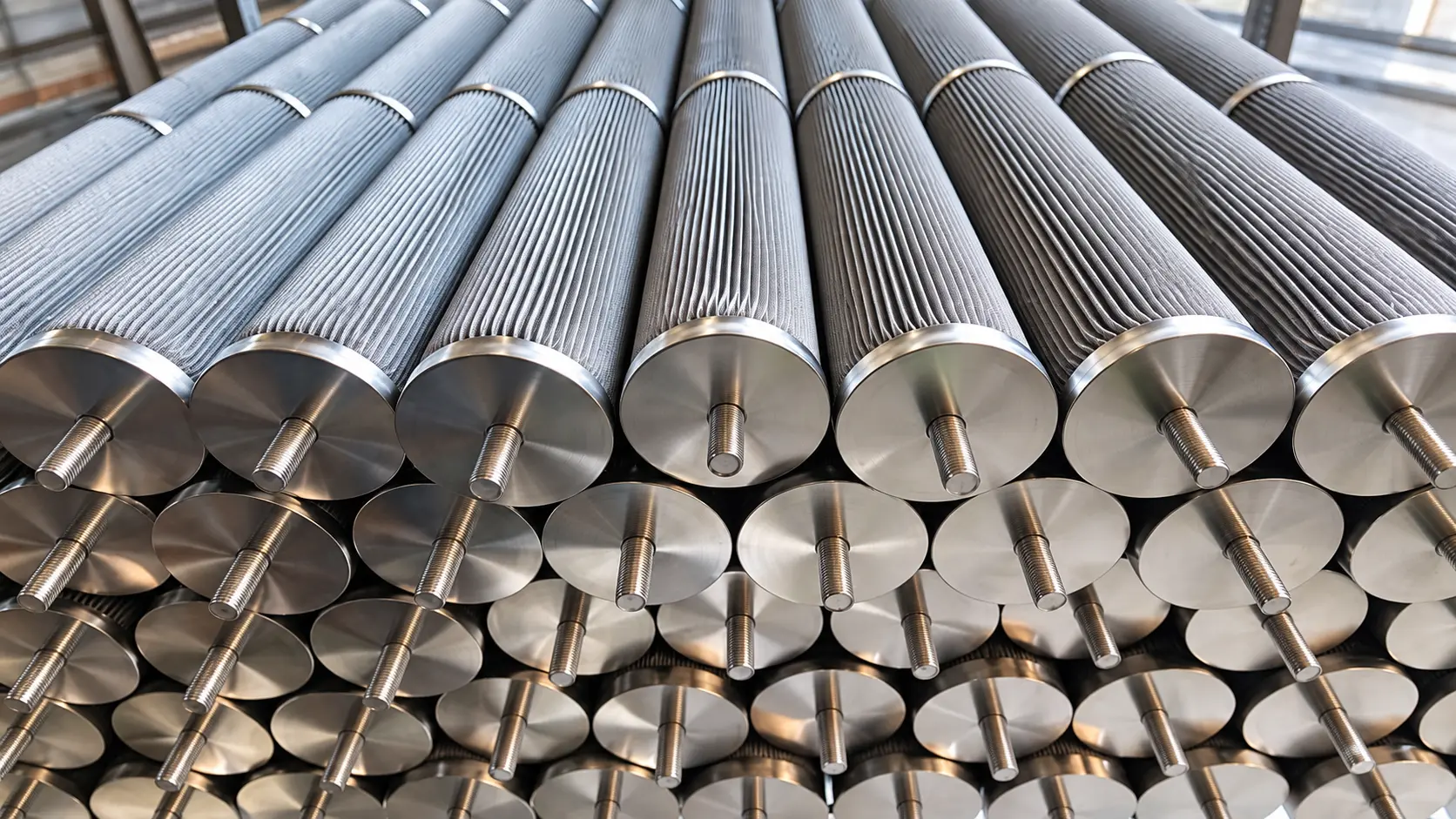
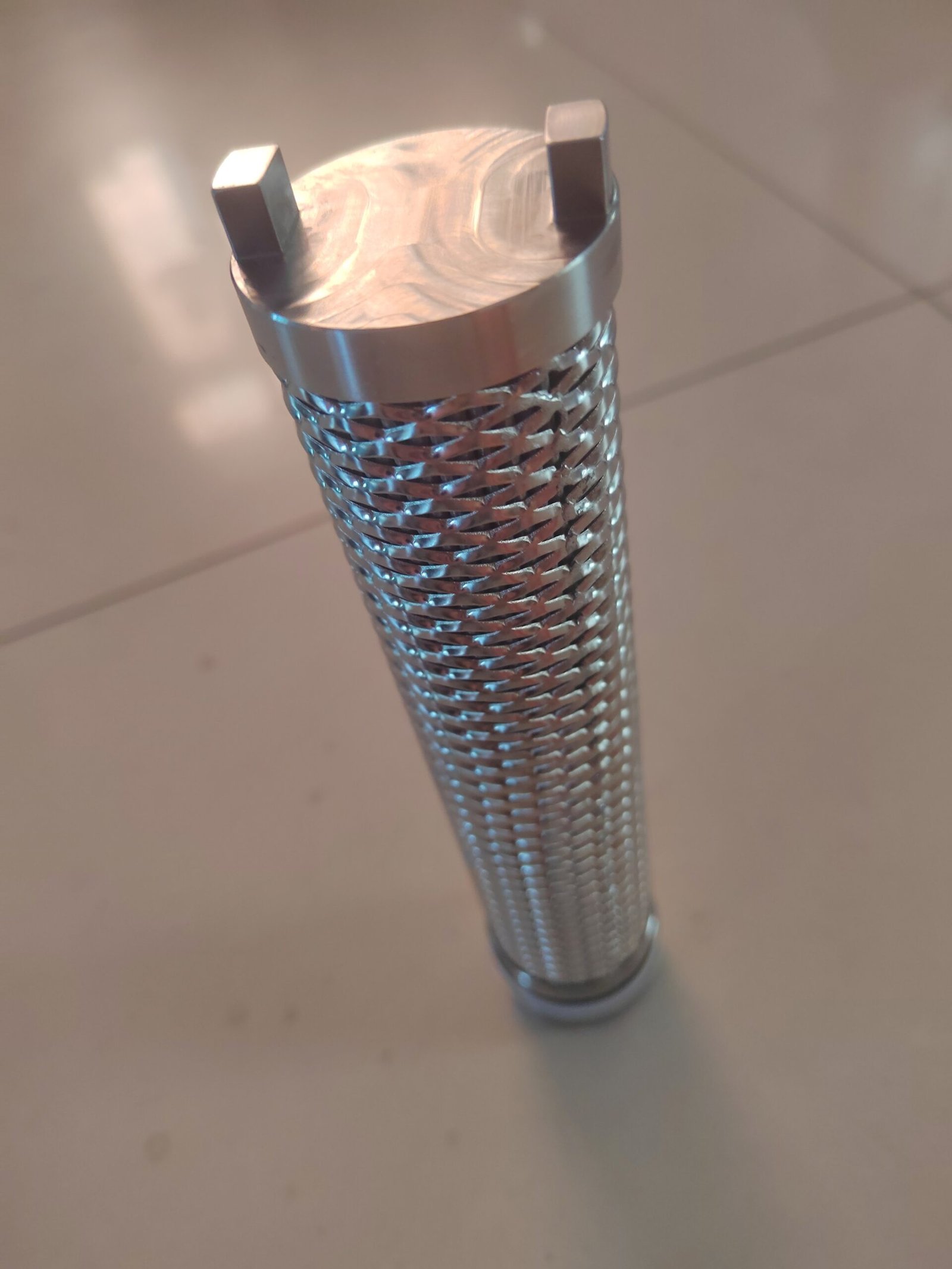
Illustration of pleated filter cartridges with threaded studs
Metal filter cartridge with expanded metal protective sleeve and special end cap
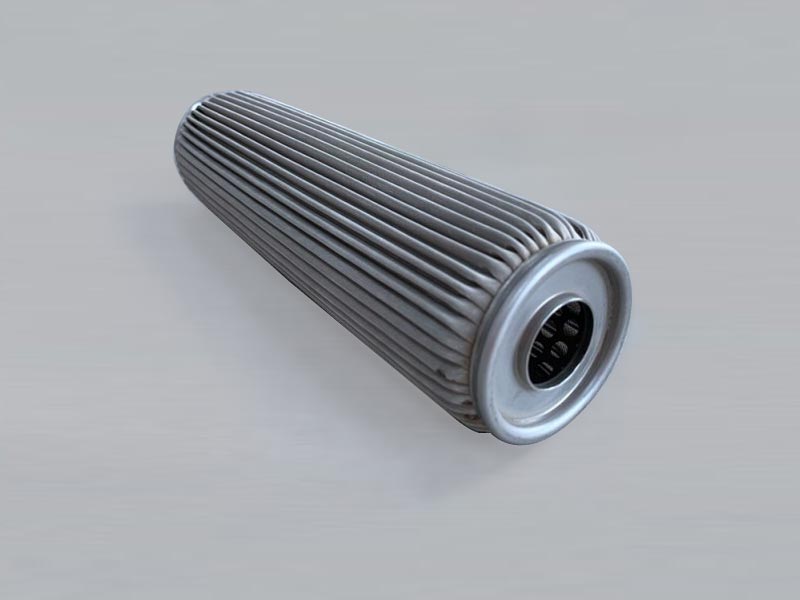
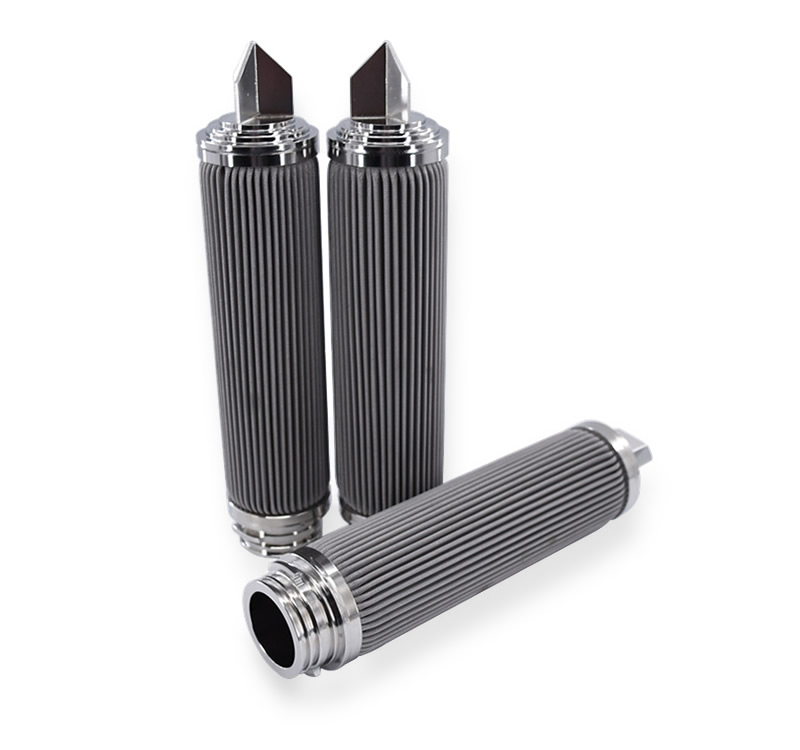
Stainless steel pleated cylindrical filter cartridge
PMF-1 · Cylindrical configuration
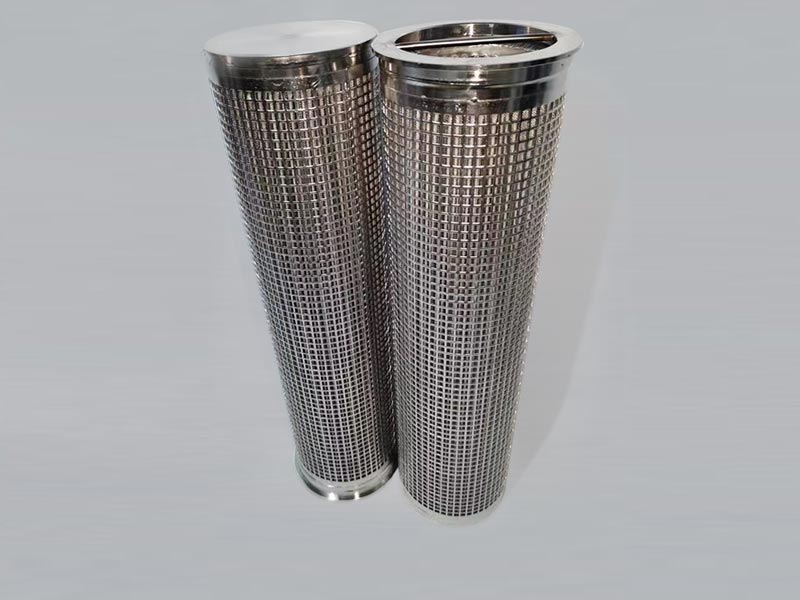
Two pleated stainless steel filter cartridges with internal reinforcing plates
PMF-2 · Reinforced plate
Pleated metal filter cartridge with an internal support structure
PMF-3 · Internal support for outside-to-inside flow
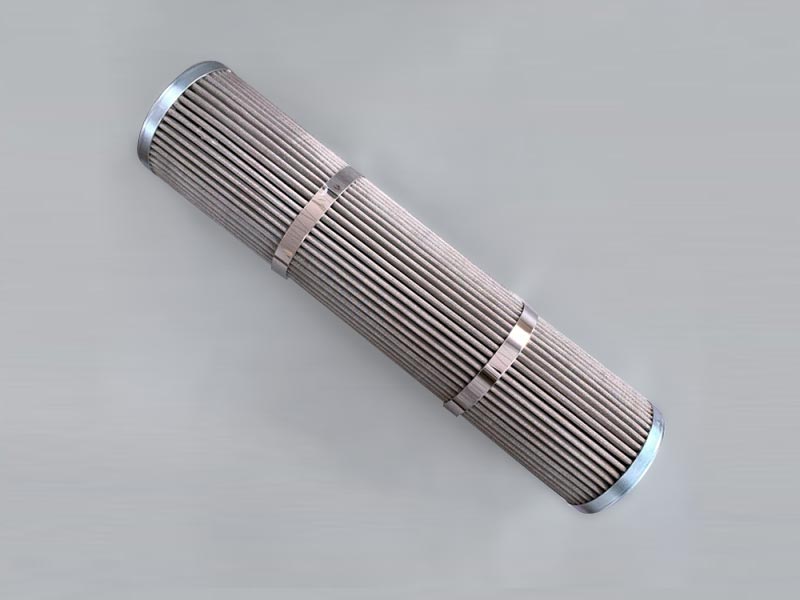
Pleated stainless steel filter cylinder with external reinforcement bands
PMF-5 · Reinforcement bands
View more product configurations
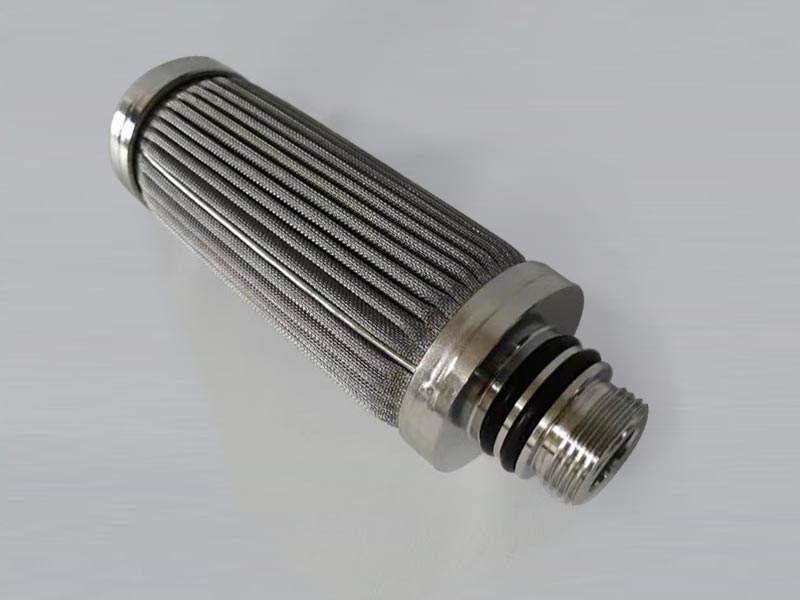
Pleated stainless steel cartridge with a double O-ring connection
PMF-4 · Double O-ring connection
Stainless steel pleated candle filter with a threaded end connection
PMF-6 · Threaded candle configuration
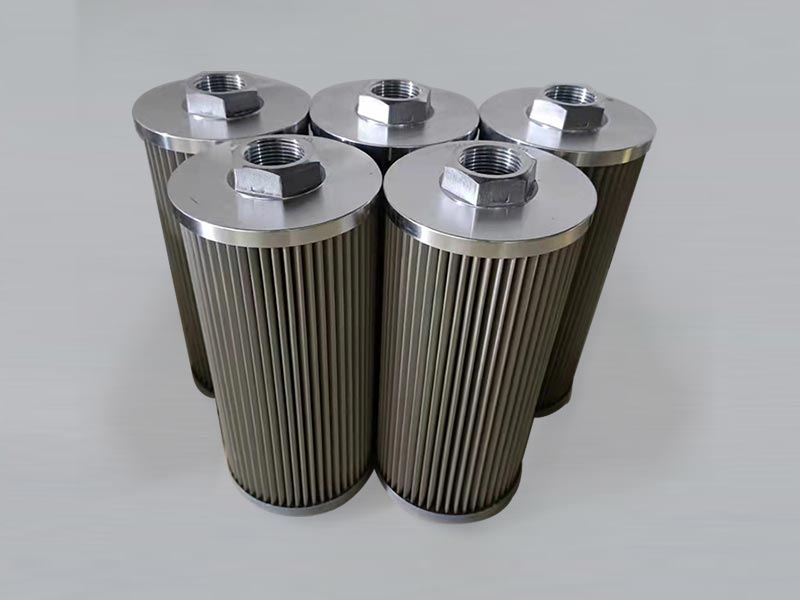
Hydraulic oil filter cartridges with hexagonal female threaded connections
PMF-7 · Female threaded connection
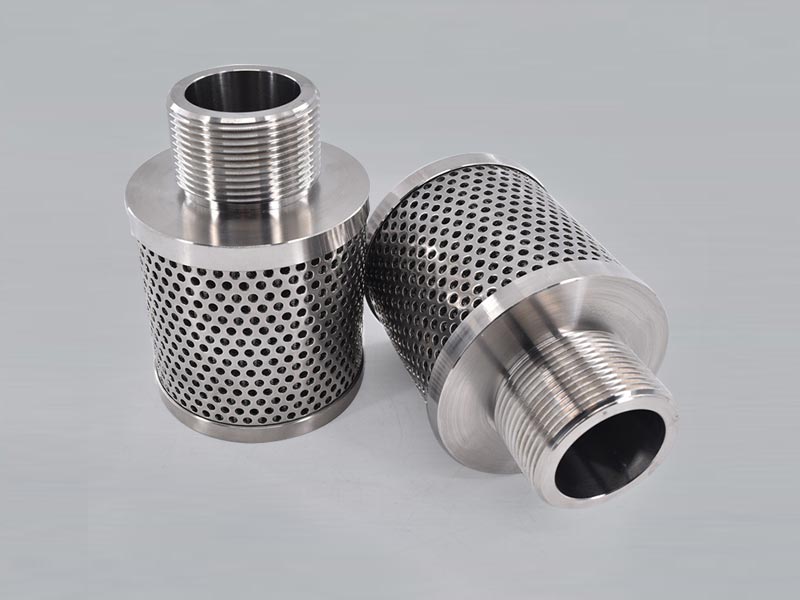
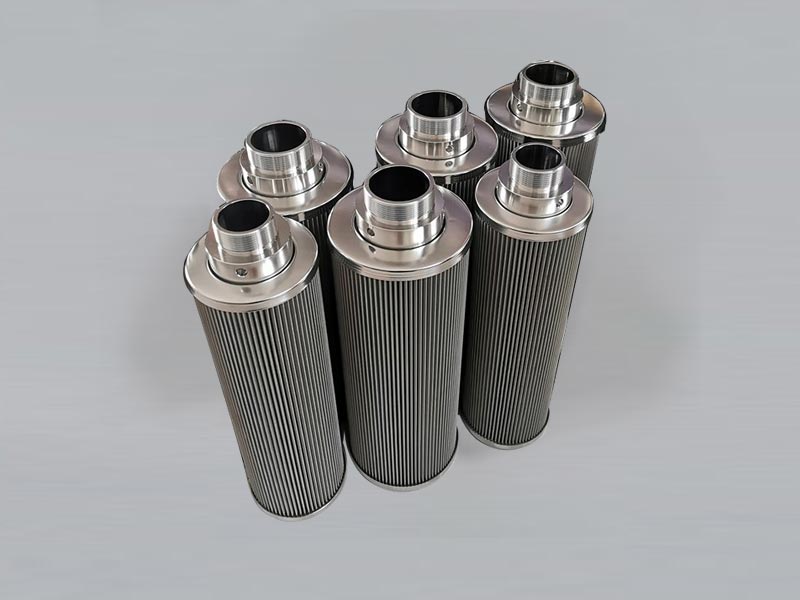
Pleated stainless steel filter cartridges with male threaded connections
PMF-8 · Male threaded connection
Pleated metal filter cartridges with flanges and perforated outer sleeves
PMF-9 · Flanged connection and protective sleeve
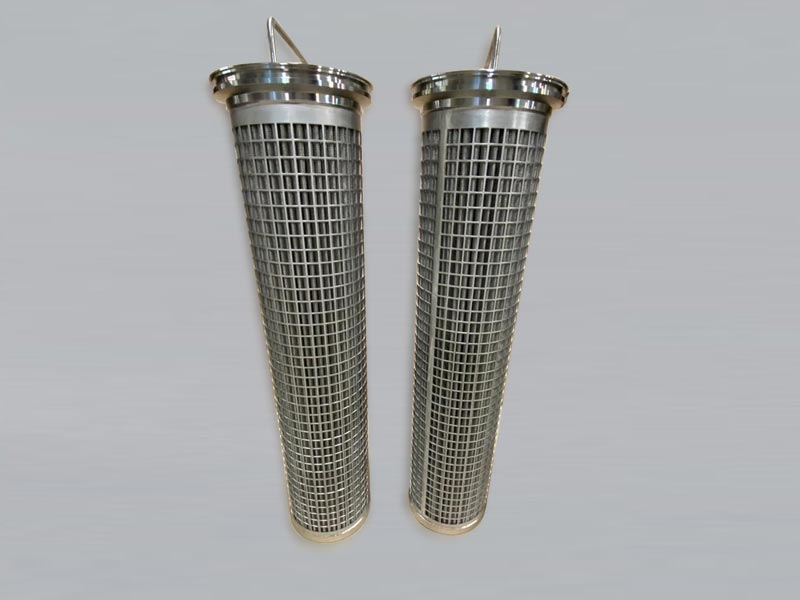
Pleated stainless steel filter cartridges with handles and perforated outer sleeves
PMF-10 · Handles and protective sleeves
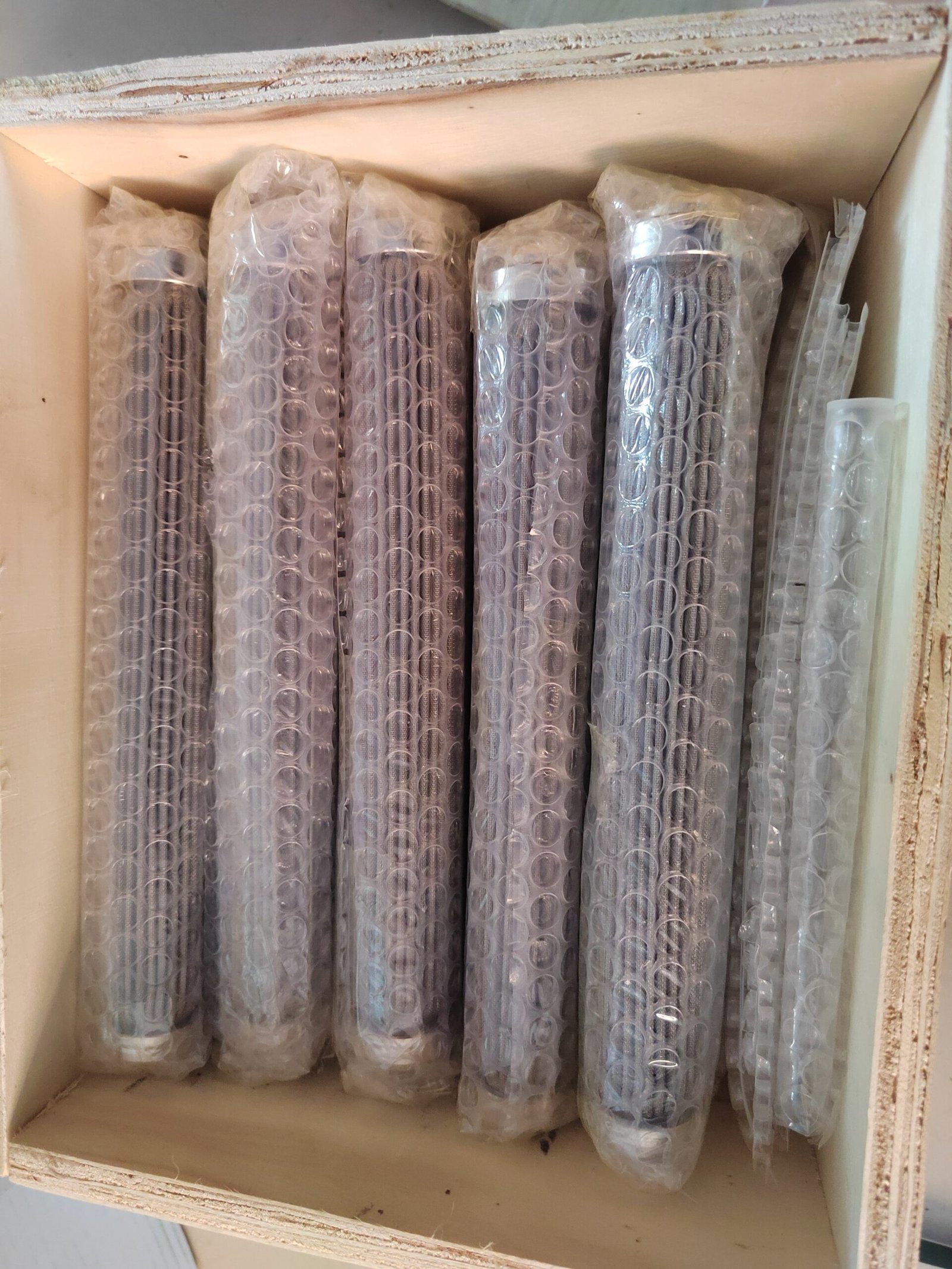
Pleated metal filter cartridges individually wrapped in a shipping crate

Finished Cartridge Specifications

Start with the cartridge drawing, existing specification or sample information. Use the fields below to clarify the medium, dimensions and installation details that apply to your order.

SpecificationDetails to define for the order
Filter medium and ratingWoven wire mesh, sintered wire mesh or sintered metal fiber felt; specify nominal rating and the agreed verification method.
Finished dimensionsMaximum outside diameter (OD), bore inside diameter (ID), total length, effective media length and installation clearances. Dimensions follow the approved drawing.
Pleat geometryInclude pleat count, height and spacing when specified on the drawing. Effective area must be established from the actual pleat geometry and usable media length.
Connections and sealsThread standard, size and male/female connection; flange dimensions, sealing face, O-ring groove and seal material, where applicable.
Supports and protectionInner support tube, outer protective sleeve, reinforcement bands and handles as required by the specified construction.
Operating conditionsFluid or gas, contamination, flow, viscosity, temperature, operating pressure, filtration direction and allowable forward/reverse differential pressure.
Cleaning and acceptanceCleaning method and compatibility; dimensional checks, material documentation and filtration or integrity checks as agreed for the order.

Select the fields relevant to the cartridge. Dimensions and operating limits are defined for the agreed design.

Pleated Cartridge Structure and Dimensions

Pleated metal cartridge dimension and structure schematicA longitudinal schematic identifies total length, effective media length, end fittings and seal. A transverse schematic identifies the outer sleeve, pleated medium, inner support tube, outside diameter and bore inside diameter. Optional components and dimensions follow the approved drawing.Longitudinal schematicTransverse schematicTotal lengthEffective media lengthEnd fittingSeal (example)ODIDOuter sleeve (optional)Pleated filter mediumInner support tubeOD: maximum outside diameter of the specified assembly.ID: clear bore diameter; connection and sealing dimensions are specified separately.Schematic only • Not to scale • Components and flow direction follow the drawing.
Typical arrangement showing optional support and protection. End connections, seals and the media stack vary by design; no flow direction is prescribed.
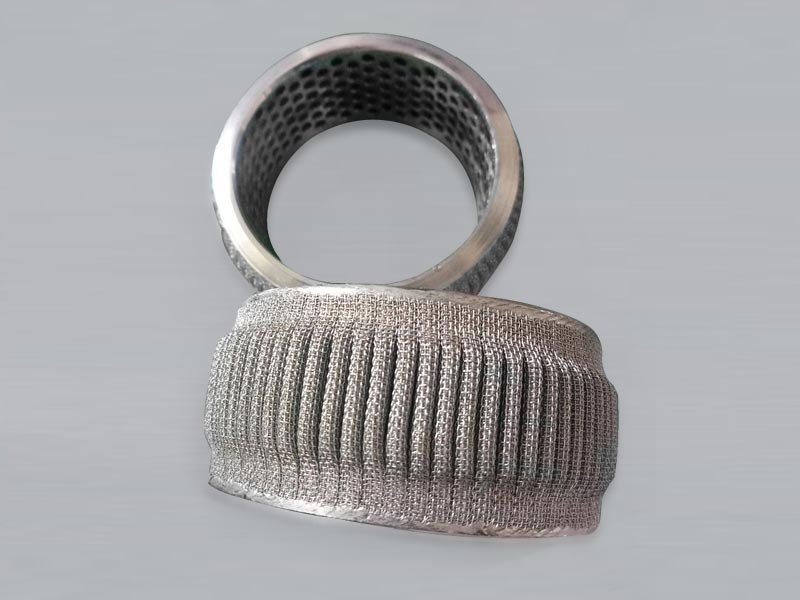
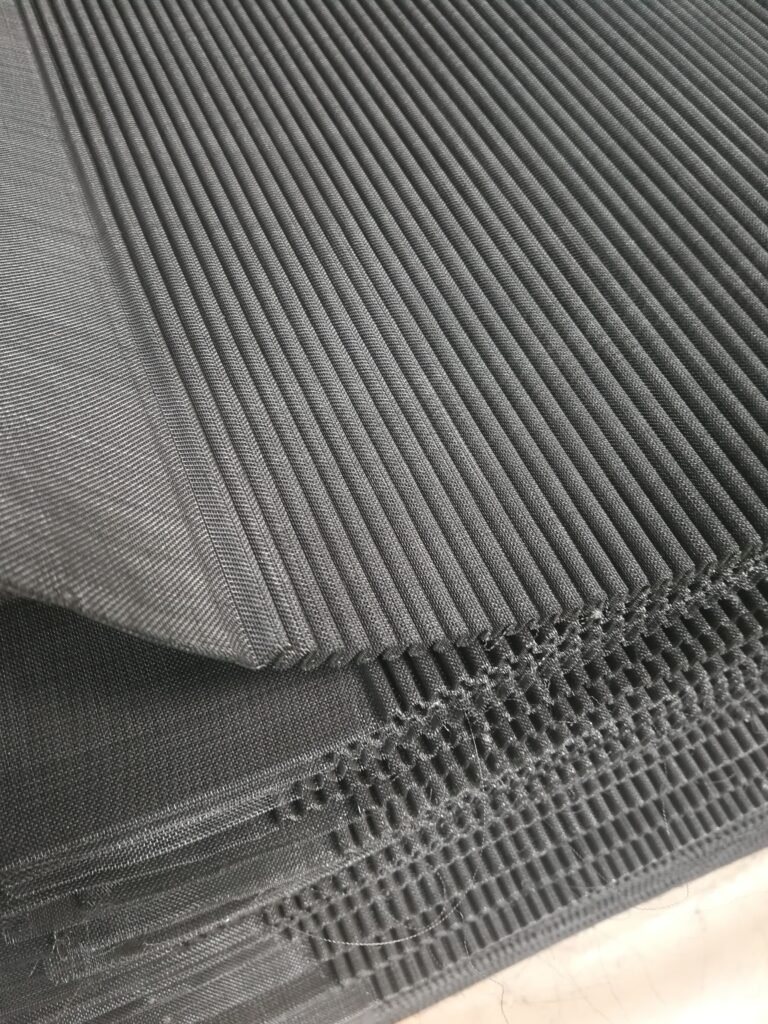
Pleated sintered wire mesh sheets during fabrication
Pleated sintered wire mesh during fabrication — actual photograph

Connections, Supports and Protective Sleeves

End connections can be customized to the installation. Existing configurations include threaded connections, flanges and other drawing-based end arrangements. Threaded studs may be used in particular mounting designs; their function and dimensions must follow the installation drawing.

End connections and the sealing path

For a replacement, use the mating drawing to locate the thread or flange, locating shoulder, sealing face or groove, seal engagement and final seating position. This makes the installation fit clear alongside the overall length. Record the media-to-end joint and the replaceable seal or mounting interface separately.

Include joints and seals in the finished-element assessment so that flow passes through the intended filtering path. Agree the leak or integrity test boundary around the assembled interfaces; retain flat-media results for their stated specimen.

For a drawing-based replacement, send the drawing you have. If a sample is the starting point, photos of both ends and the mating part help identify the observable interfaces. Unconfirmed seal materials, concealed joints and original performance can remain marked for clarification. The pleated-filter validation plan explains how fit, sealing and performance can be assessed separately; pleat depth, density and usable area covers the pleat geometry.

Internal tubes support the medium; outer sleeves protect it during handling and may contribute reinforcement; bands support the specified construction. Keep the filtration layer identified separately so that its rating and the support arrangement are both clear.

Support location must suit the flow direction. Specify outside-to-inside or inside-to-outside flow when requesting a cartridge, together with the allowable differential pressure and any reverse-flow cleaning requirement.

Pleated Cartridge Configurations

Support and Reinforcement

End Connection Options

Flanged and Handled Configurations

Custom Pleated Filter Cartridges

We can review your drawing, operating requirements or existing sample to define the filtration medium, element dimensions, end fittings and support arrangement. Finished configurations vary with the installation and service conditions.

  • Design from operating requirements: discuss the medium and element configuration for a new project.
  • Manufacture from drawings: provide the dimensions, connections and acceptance requirements for a specified design.
  • Reproduce from an existing sample: send an old element when drawings or complete dimensions are unavailable.

Filtalloy manufactures pleated metal filter cartridges using woven wire mesh, sintered wire mesh or sintered metal fiber felt. The filtration medium is formed into pleats and assembled with support layers and end connections to suit the installation and operating conditions.

A stainless steel wire mesh pleated filter cartridge provides additional filtration area within a compact cylindrical envelope. We can customize the medium, dimensions, connections and reinforcement arrangement from your operating requirements, drawings or an existing sample.

How the Pleated Structure Works

Pleating packs a larger medium area into the available cartridge space. The usable area depends on the element diameter and length, pleat geometry and support arrangement. Flow passages between the pleats must remain open for the medium to work effectively.

The selected medium and its rating determine particle retention. Pleating provides area within the cartridge envelope; fluid viscosity, contamination and the complete cartridge geometry determine the associated flow and pressure-drop behavior.

Filter Media Options

Choose the filtration medium for the contaminants, required rating, operating conditions and cleaning method. Review the wire mesh pleated cartridge selection guide for rating definitions, viscosity, support and connection requirements.

Woven wire mesh and metal fiber felt: selection considerations
Filtration mediumWoven wire meshSintered metal fiber felt
Nominal rating range5–400 μm1–100 μm
Selection starting pointWoven aperture structure; evaluate for the particle size distribution and specified rating.Porous fiber network; evaluate for particle and gel-like contamination against the process requirements.
Dirt capacity and clean pressure dropEvaluate using the mesh construction, usable area, fluid viscosity and flow.Evaluate using the felt grade, thickness, usable area, fluid viscosity and flow.
Differential pressureThe completed cartridge, supports and flow direction determine the allowable forward/reverse differential pressure.The completed cartridge, supports and flow direction determine the allowable forward/reverse differential pressure.
Temperature and corrosionConfirm against the alloy, joints, seals, fluid and cleaning chemistry.Confirm against the alloy, joints, seals, fluid and cleaning chemistry.
Cleaning and reuseSelect a compatible cleaning method and check acceptance before reuse.Select a compatible cleaning method and check acceptance before reuse.

Nominal ranges describe the media options, not guaranteed retention or an absolute rating. Confirm the selected grade and acceptance method for the order. Sintered wire mesh is a third available medium; its rating and pleat suitability are reviewed for the specified construction.

316 and 316L stainless steel are common material options. Other alloy options can be reviewed against temperature, corrosion conditions and the selected filtration medium. Material compatibility should be checked for both operation and cleaning.

Industrial Filtration Applications

Pleated metal cartridges can be evaluated for hydraulic oil, lubricants, fuels and chemical process liquids. Gas applications require review of temperature, contaminants and corrosion conditions. Select the medium and structural design for the actual service rather than the application name alone.

For polymer melt filtration, see our Polymer Melt Filter Elements page for melt-specific selection considerations and candle filter configurations.

Cleaning and Reuse

Cleaning methods may include chemical cleaning, ultrasonic cleaning or steam treatment, subject to the contamination and cartridge materials. Select the procedure for the deposit, welded assembly and any seals or non-metal components.

Before reuse, inspect the cartridge and check the agreed recovery and acceptance requirements. Use those results to decide on another operating cycle. If the cleaning procedure needs review, send the deposit information and any existing flow or pressure-drop records to our engineers.

Frequently Asked Questions

Does pleating improve filtration accuracy?

Pleating increases the medium area that fits into a cartridge. Filtration accuracy depends on the selected medium and rating. Pleat geometry and support design must also maintain usable flow passages.

Which media can be used in a pleated metal cartridge?

Options include woven wire mesh, sintered wire mesh and sintered metal fiber felt. Selection depends on contaminants, required rating, operating conditions and cleaning requirements.

Is the outer sleeve the filtering medium?

The protective outer sleeve and the filtration layer serve different purposes. The sleeve protects or supports the pleated medium; the specified filtration layer determines the filtration rating.

Can the connection and flow direction be customized?

Yes. Provide the installation drawing or sample, connection dimensions and intended flow direction. The support arrangement and allowable differential pressure are reviewed with the cartridge design.

Can pleated stainless steel filter cartridges be cleaned and reused?

Where the construction and contaminant allow cleaning, select a compatible procedure and assess the recovered condition, flow and required integrity before reuse. These checks guide whether the cartridge is ready for another cycle.

What information is needed for a custom cartridge?

Start with your drawing, specification or sample information and required quantity. For a new design or a proposed change, add the fluid, contaminants, rating, flow, temperature, pressure, allowable differential pressure and installation dimensions relevant to that decision. We can clarify missing manufacturing details with you.

Send Your Drawing, Specification or Sample Photos

Send the drawing or existing specification you have, together with the quantity and the parts you need. Sample photos and main dimensions are a useful starting point when a drawing is unavailable.

If you are still defining the product, briefly describe its intended use. We will clarify the additional manufacturing and inspection details with you.

Contact Filtalloy about this product

QUESTIONS? MESSAGE US NOW!