Custom Perforated Metal Sheets and Plates
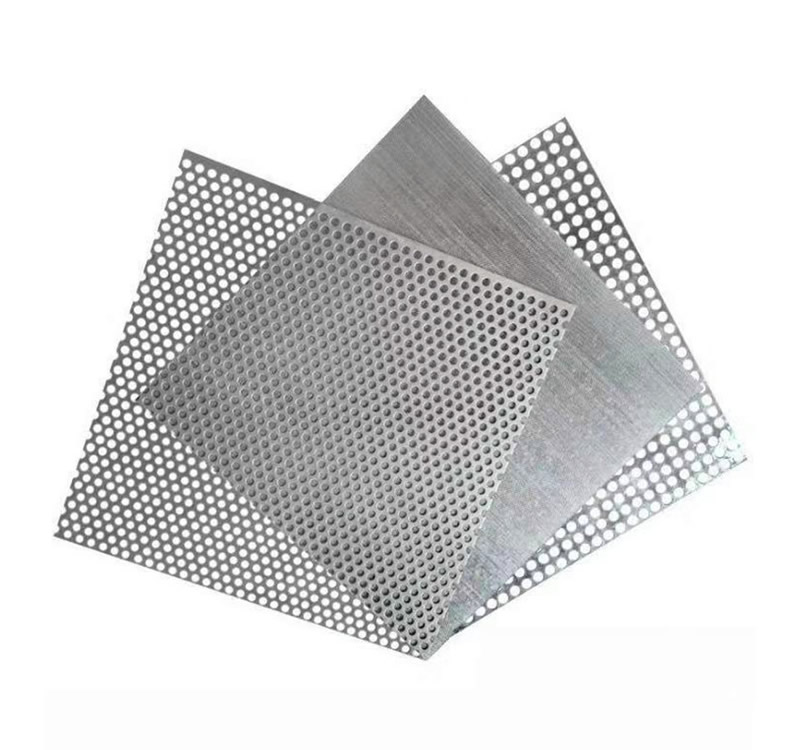
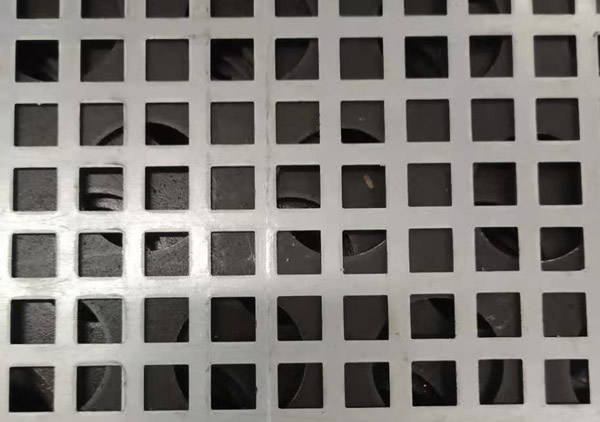
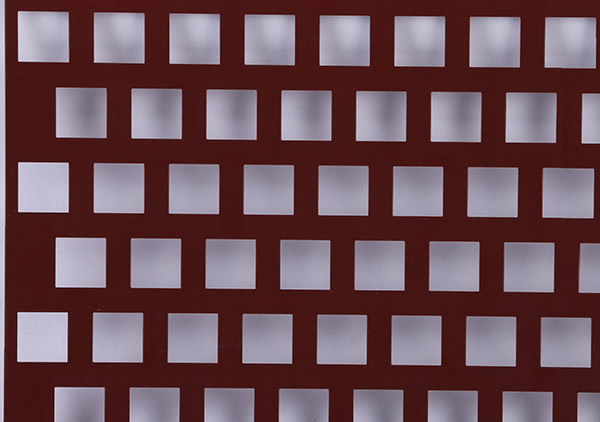
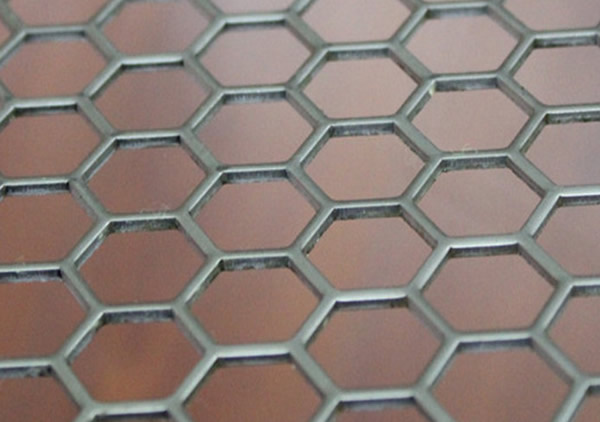
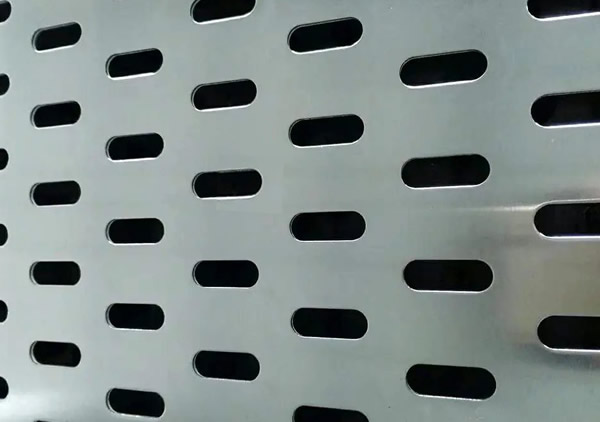
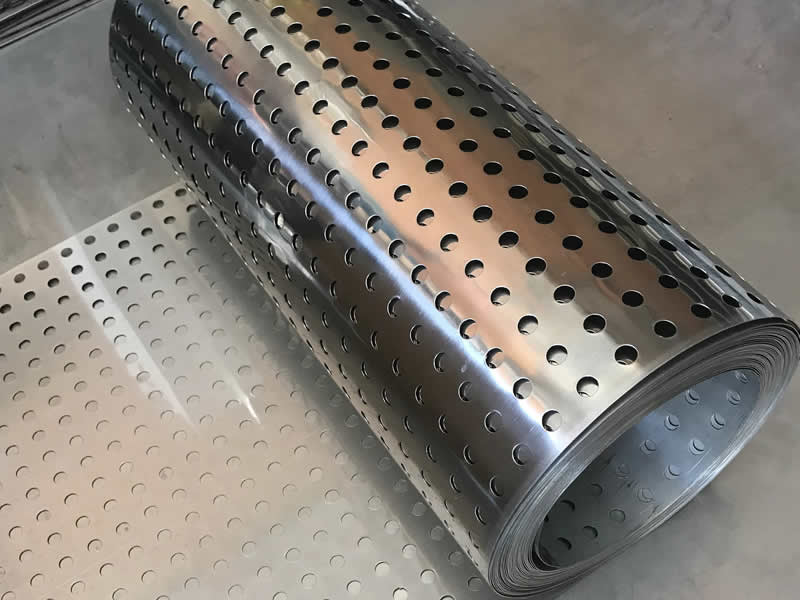
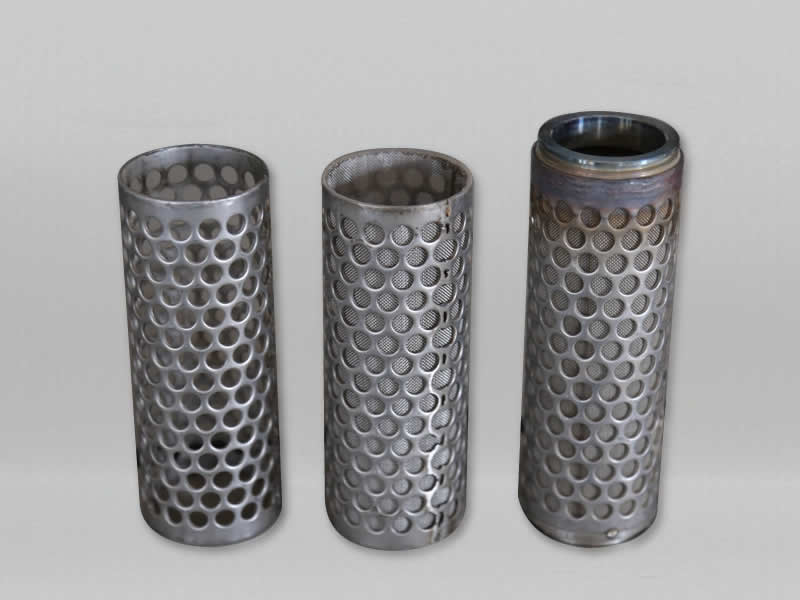
Alloyfilter supplies custom perforated metal sheets, plates, discs, coils and formed components. Round, square, slotted and other drawing-defined patterns are available with specified margins and mounting details.
Send your drawing or hole pattern, material, thickness, finished dimensions and quantity. We will review the punching or laser-cutting route and any remaining manufacturing details.

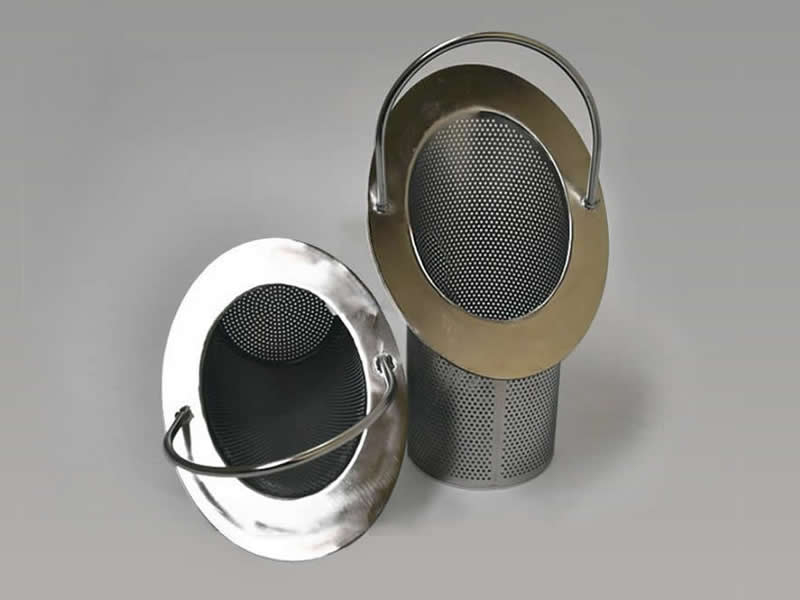
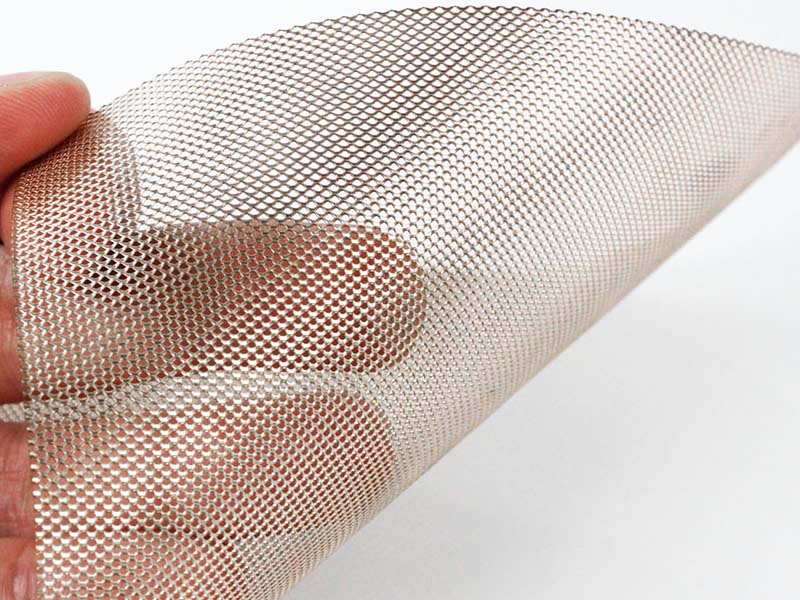
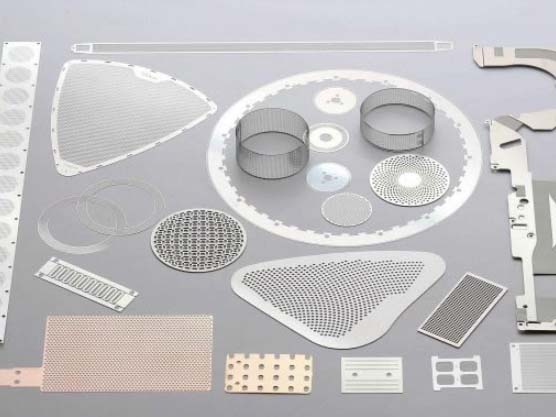
Supply Forms and Product Configurations
The views below show product forms and construction details. Send the drawing or existing specification for the configuration you need.


View more product configurations


Perforated sheet dimensions and hole specifications
- Standard sheet sizes: 2000 × 1000 mm and 2440 × 1220 mm; other dimensions are made to drawing.
- Thickness: 0.4–8 mm, subject to material and manufacturing method. Thickness range varies by material; for titanium and high-alloy plates, confirm on request.
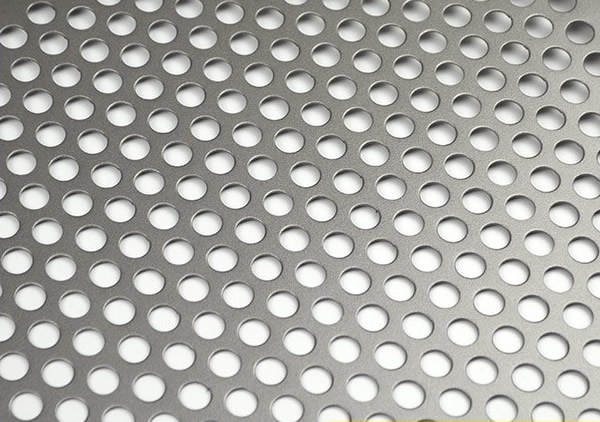
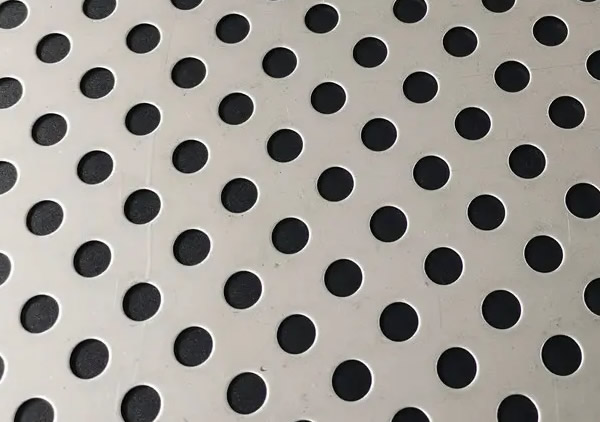
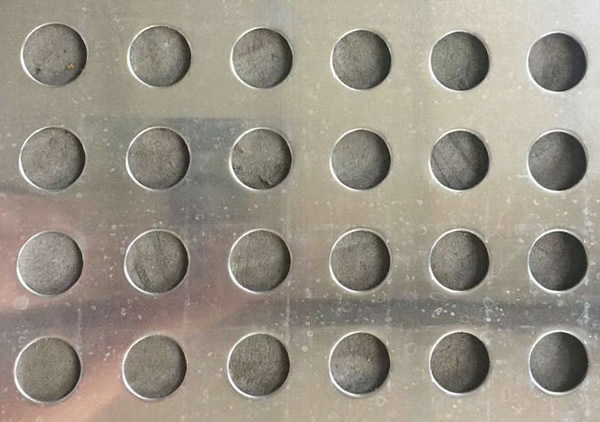
- Round holes: typically 1–20 mm. Smaller or larger openings are reviewed against material, thickness, tooling and process.
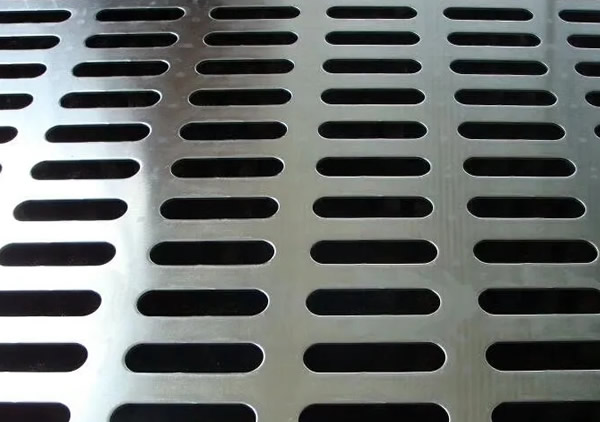
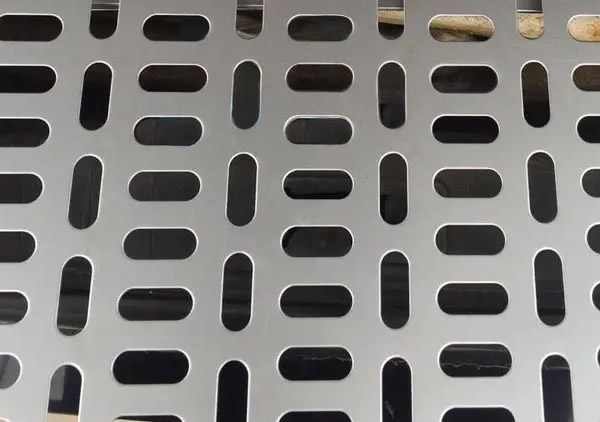
- Slotted holes: slot width, length, orientation and pitch are confirmed per drawing.
- Margins and edges: specify each unperforated border, mounting hole and whether the cut edge passes through holes or leaves complete holes.
Punching and laser-cutting limits
For conventional punched round holes, a hole diameter approximately equal to or greater than sheet thickness is a common manufacturing guideline. Feasibility still depends on material, tooling and pattern. Laser cutting can be reviewed for smaller openings or non-standard geometry; a single minimum hole size does not apply to every alloy and thickness.
Perforated metal materials
Common materials / regular supply
- Stainless steel 304
- Stainless steel 316
- Stainless steel 316L
- Plain carbon steel
- Galvanized steel
- Aluminum
Materials sourced to order — confirm availability
- Stainless steel 309
- Stainless steel 310S
- Titanium
- Inconel alloys
- Hastelloy alloys
- Monel alloys
- Copper
- Brass
Specify the exact grade, material condition and required certificate. For a process application, review that grade against the medium and operating conditions before selecting the sheet.
Surface finishes and protection
Available stainless steel sheet surface conditions include 2B, BA, No.1, No.4, 8K and hairline (HL). Electropolishing is also available. Carbon steel options include protective oil, hot-dip galvanizing, powder coating and paint. Anodizing is available for aluminum, and protective film can be supplied where appropriate.
Confirm the substrate, coating or finish specification, processing sequence and acceptance requirements. Starting-sheet finish and treatment of punched or cut edges should be specified separately.
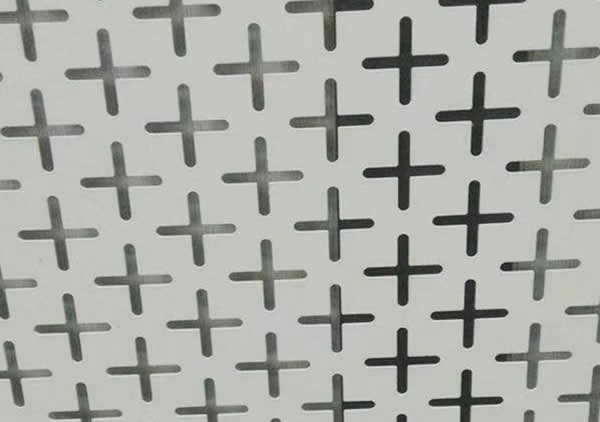
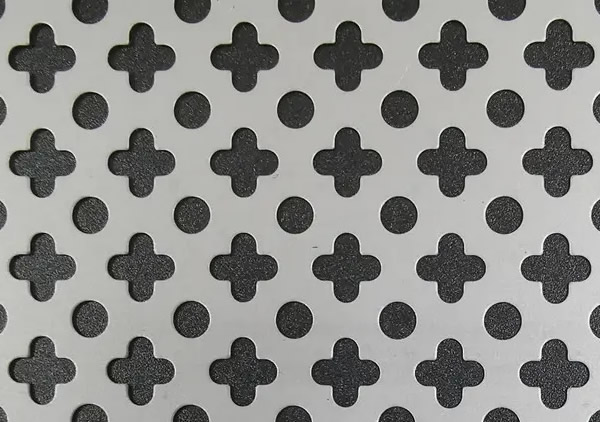
Perforated metal hole patterns
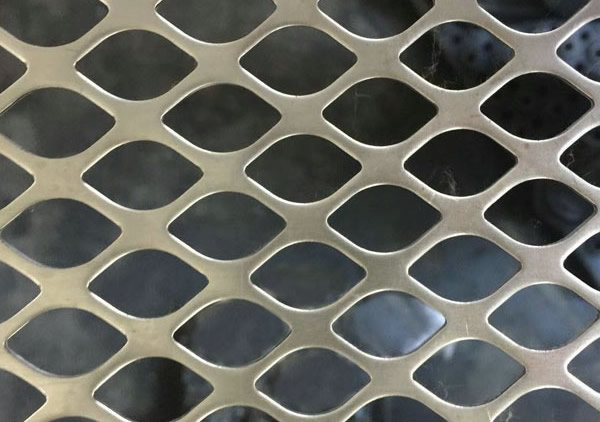
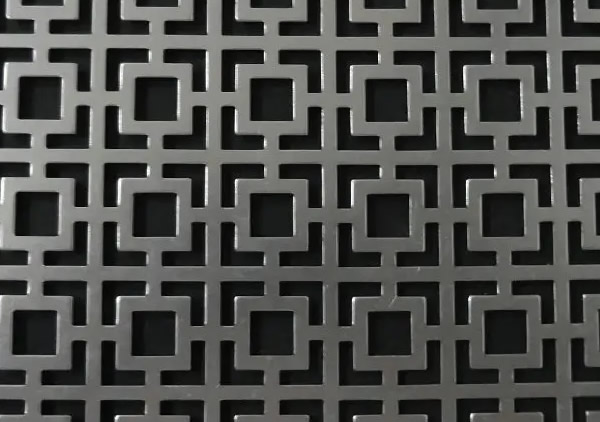
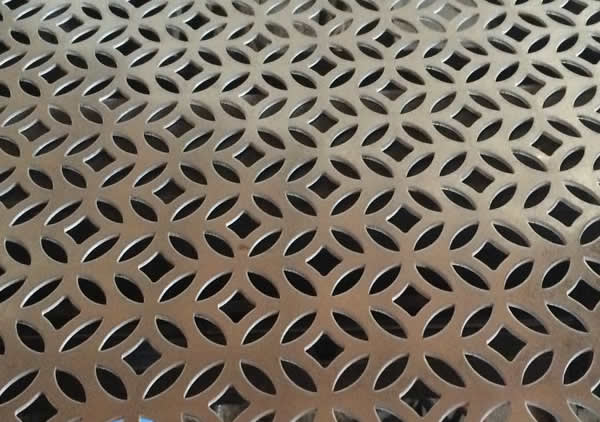
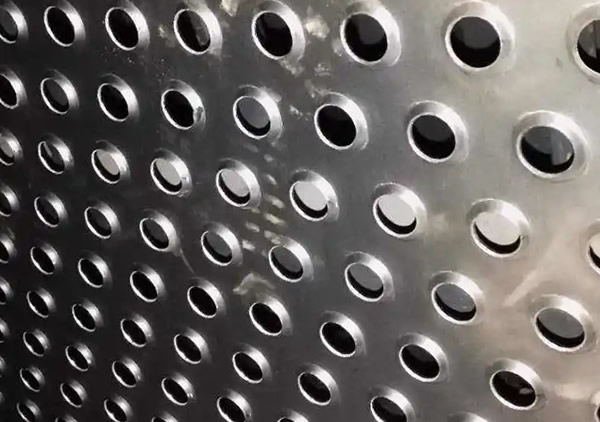
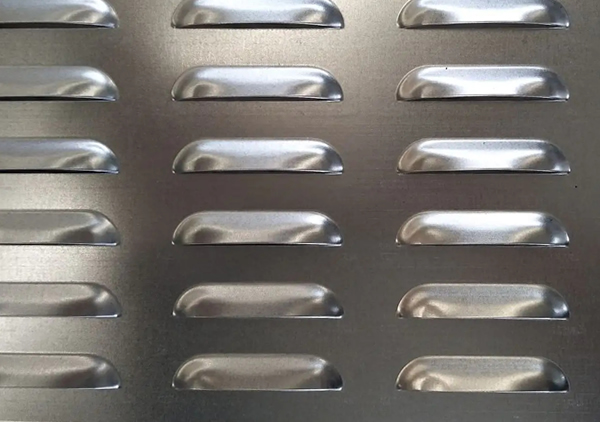
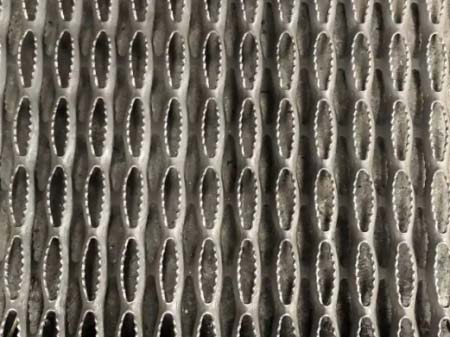
All 18 patterns below remain available for custom supply. Select the hole shape, opening dimensions, pitch and arrangement together; embossed, louvered and anti-slip features also require their formed profile to be specified.
Custom perforated metal options
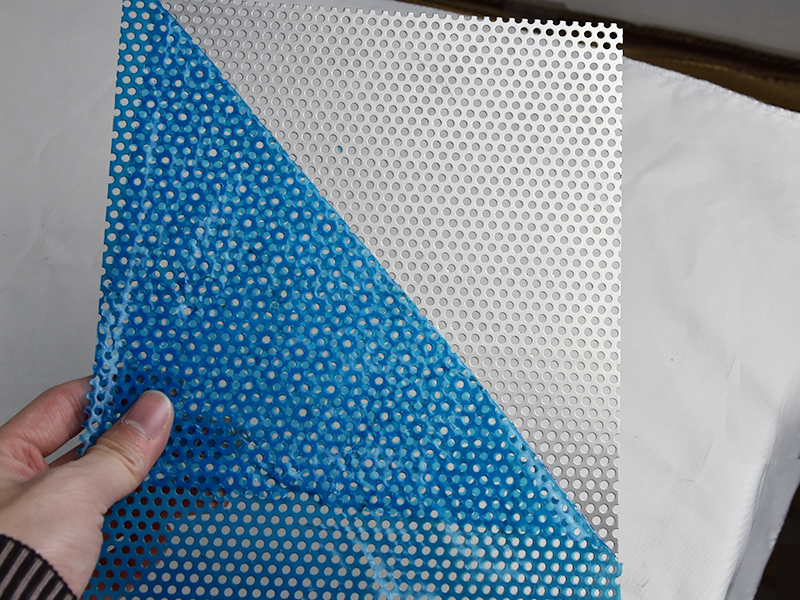
- Flat sheets, discs, special-shaped parts, trays, coils, protective-film sheets and corrugated panels.
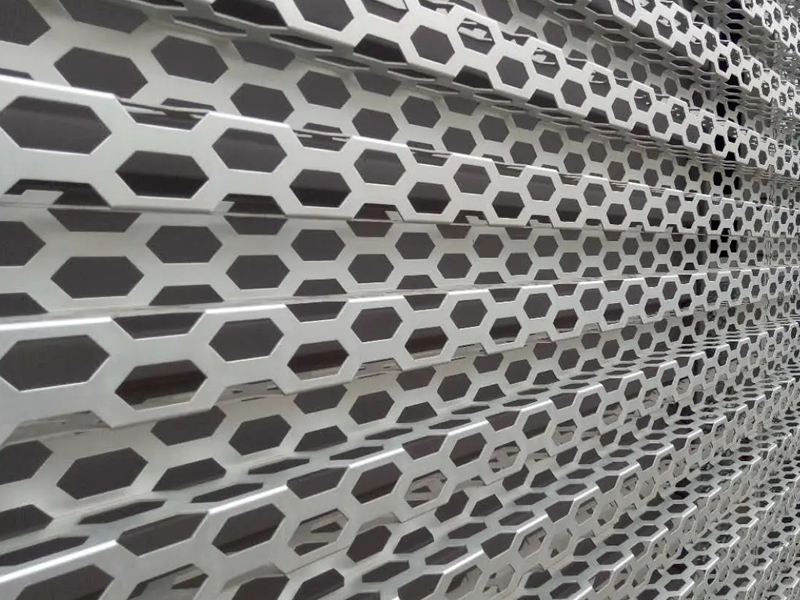
- Round, square, slotted, hexagonal, decorative, embossed, louvered and anti-slip patterns.
- Custom hole arrangements, unperforated margins, mounting holes and edge-cut requirements.
- Punched or laser-cut designs, with manufacturing feasibility reviewed before production.
- Material and surface options selected for the intended indoor, outdoor or process environment.
Other custom perforated metal forms
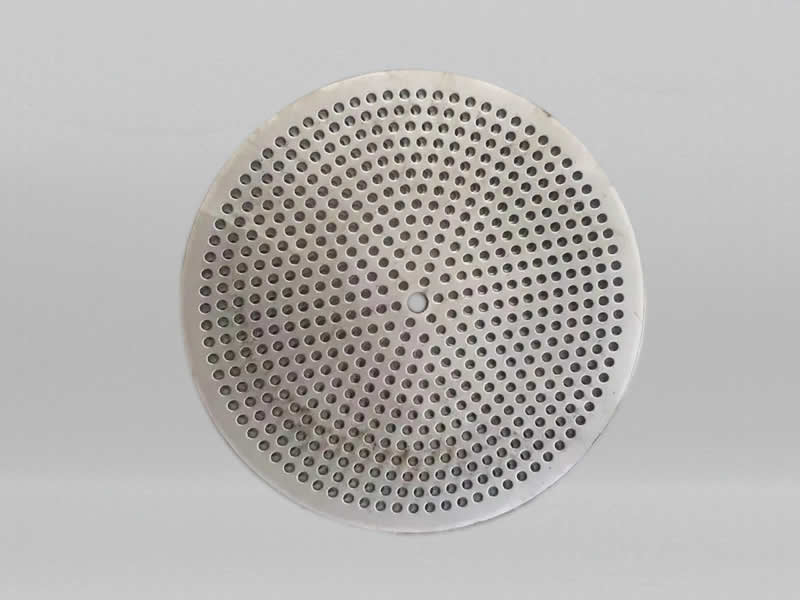
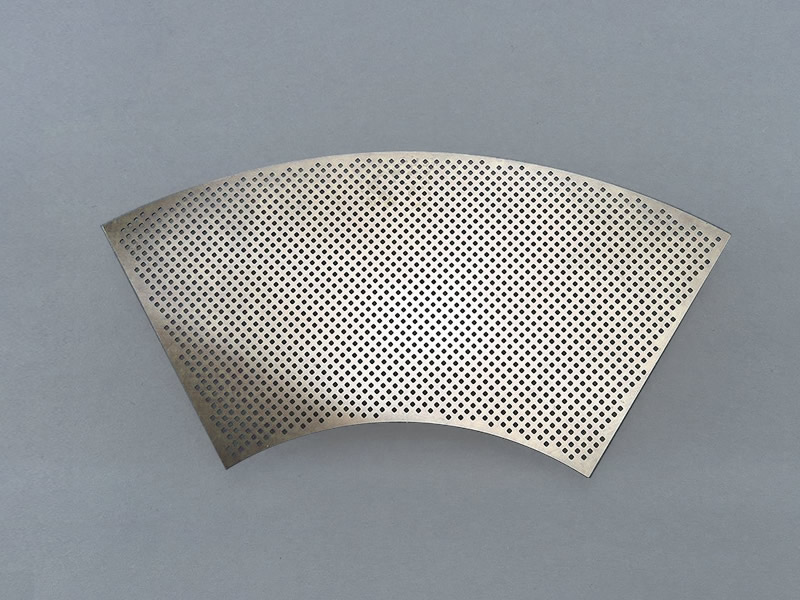
Discs, special-shaped plates, trays, coils, sheets with protective film and corrugated cladding panels are available. Specify the final shape, dimensions and installation details; formed parts are reviewed against the drawing.
Open area, margins and pattern selection
Open area describes the proportion of openings in the specified area. State whether the percentage refers to the perforated field or the complete sheet including solid margins. Unperforated borders, installation holes and cut boundaries can change the finished sheet’s effective open area and hole count.
Use our perforated metal open area calculator and perforated sheet hole count calculator to prepare your specification within each tool’s stated scope. Use the results to describe the opening geometry, then review structural capacity, filtration requirements and manufacturing feasibility against the finished-part drawing.
The perforated metal manufacturing guide explains how punching, deburring, leveling and later forming affect the finished part and its inspection.
Manufacturing inspection
- Hole diameter or opening dimensions, sampled with suitable gauges or calipers.
- Hole pitch and pattern spacing.
- Sheet thickness.
- Overall length and width, diameter or shaped outline.
- Flatness and warping after perforation.
- Burrs and cut-edge condition.
Flatness record: identify free or restrained condition, processing stage, supporting span, reference plane and measuring method on the order. Compare results in the same state; this page does not set a common warping limit for every pattern. The perforated metal selection guide explains how hole geometry, margins and the finished part are specified together.
Identify the critical dimensions, permitted burr condition and measuring method on the drawing or order. We agree the sampling and tolerances for the selected material and pattern before production.
Three ways to order custom perforated metal
Design for a new application
Share the intended duty, material environment, installation space, flow or screening requirements and any loading requirements. We review material, thickness, holes, margins and manufacturing options with you before agreeing a drawing.
Manufacture to drawing
Send a dimensioned PDF or DXF drawing, material grade, thickness, pattern, margins, surface specification, tolerances and quantity. The agreed drawing defines the finished part.
Recreate from a sample
Start with an existing part or sample photos and quantity when drawings are unavailable. We can review geometry and pattern details, then clarify the alloy, finish and any performance requirements that the sample does not establish.
Perforated metal sheet FAQ
Can you supply all the patterns and product forms shown?
Yes. The illustrated patterns and forms remain available for custom supply, with dimensions and manufacturing details confirmed per order.
What is the smallest hole you can make?
It depends on material, thickness, shape and manufacturing method. Round holes are commonly 1–20 mm. Smaller openings require a project review; punched-hole diameter is generally selected around sheet thickness or larger, while laser cutting offers other possibilities.
Does hole diameter equal filtration accuracy?
Hole diameter is a geometric opening. It does not by itself establish absolute retention efficiency. For fine filtration, perforated metal commonly supports a separate filtering medium.
Can you leave solid borders and add mounting holes?
Yes. Specify each margin, mounting-hole position and edge-cut requirement on the drawing.
Can you provide special alloys and surface treatments?
Yes. Special alloys are sourced to order. Finish and treatment options are confirmed for the selected substrate and drawing.
Do you guarantee a single load or pressure rating?
No single rating applies to all perforated sheets. Material, thickness, hole geometry, open area, supports and installation determine the finished structure’s capacity.

Applications of perforated sheets and plates
- Support or protective components in air filters, including HEPA assemblies; perforated metal alone does not provide HEPA filtration performance.
- Exhaust and ventilation components.
- Perforated bases or components for conveyor systems.
- Muffler and acoustic components; sound performance depends on the complete assembly.
- Supports for bag filters, pleated mesh filters and vibratory separators.
- Wastewater, dewatering and dredging equipment.
- Screening plates for mining and coal processing.
- Filtering, drying and baking trays for food and beverage processing, with material and contact requirements confirmed.
- Radiator guards and debris protection.
- Drainage, stair and floor components, with loading and slip requirements confirmed for the design.
- Furniture components.
- Components for dust and noise control systems.
- Decorative building cladding.
Send Your Drawing, Specification or Sample Photos
Send the drawing or existing specification you have, together with the quantity and the parts you need. Sample photos and main dimensions are a useful starting point when a drawing is unavailable.
If you are still defining the product, briefly describe its intended use. We will clarify the additional manufacturing and inspection details with you.