Custom Compressed Knitted Wire Mesh Filters
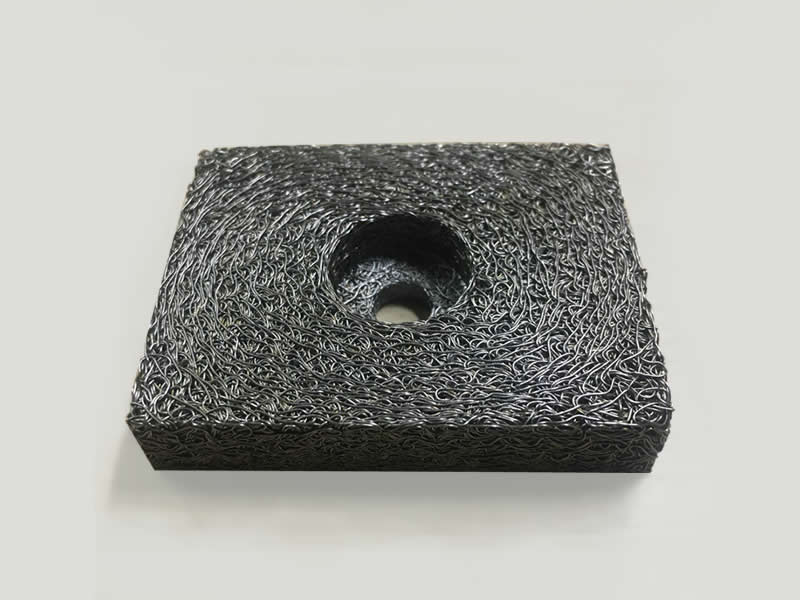
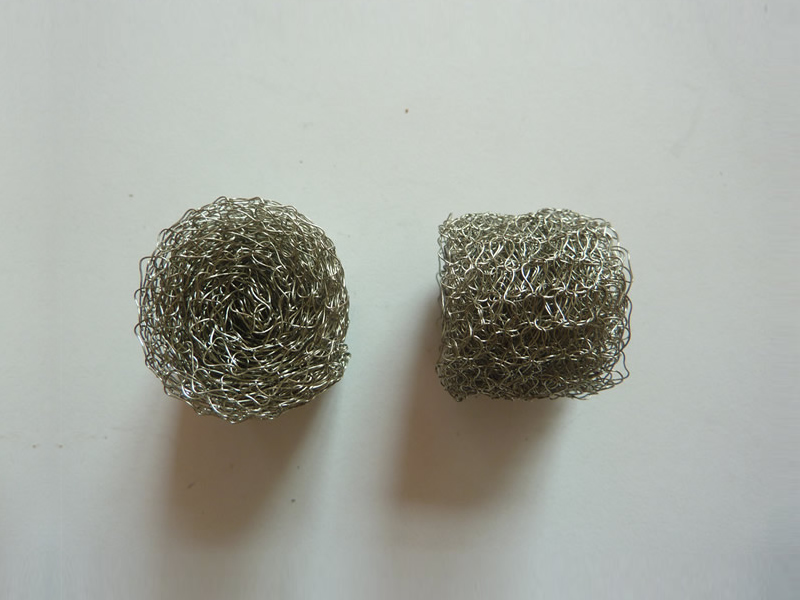
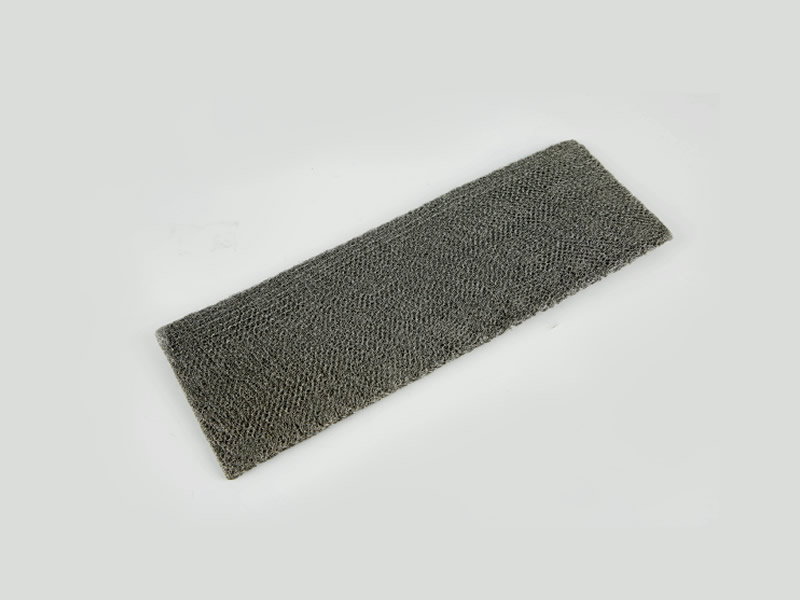
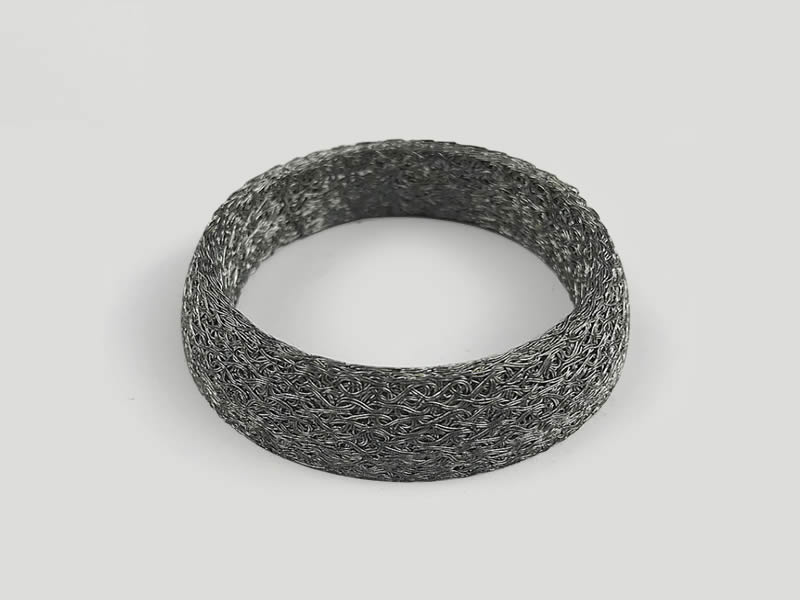
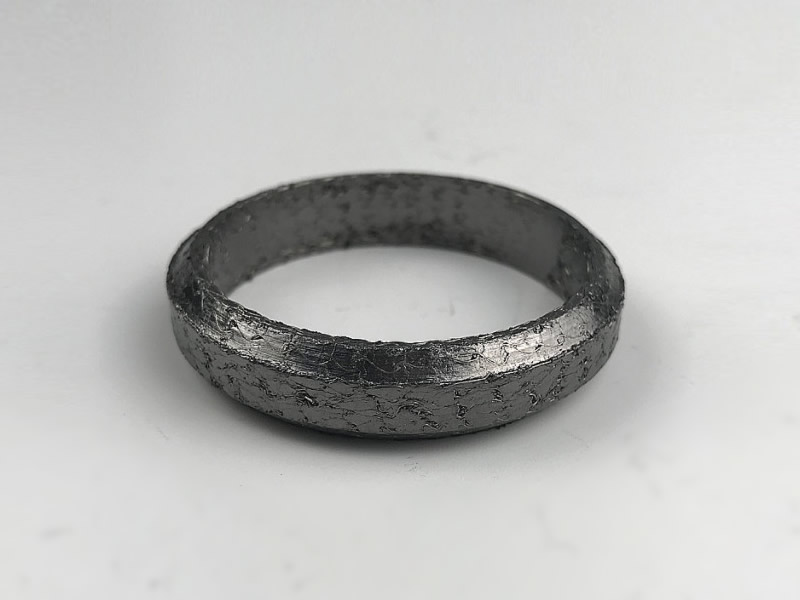
Alloyfilter manufactures compressed knitted wire mesh components in rings, tubes, cylinders, pads and custom die-formed shapes. Material, base-mesh construction, density and finished dimensions are specified for the part.
Send a drawing or sample photos to discuss the component. Filtration or mechanical performance is assessed for the agreed construction and duty.
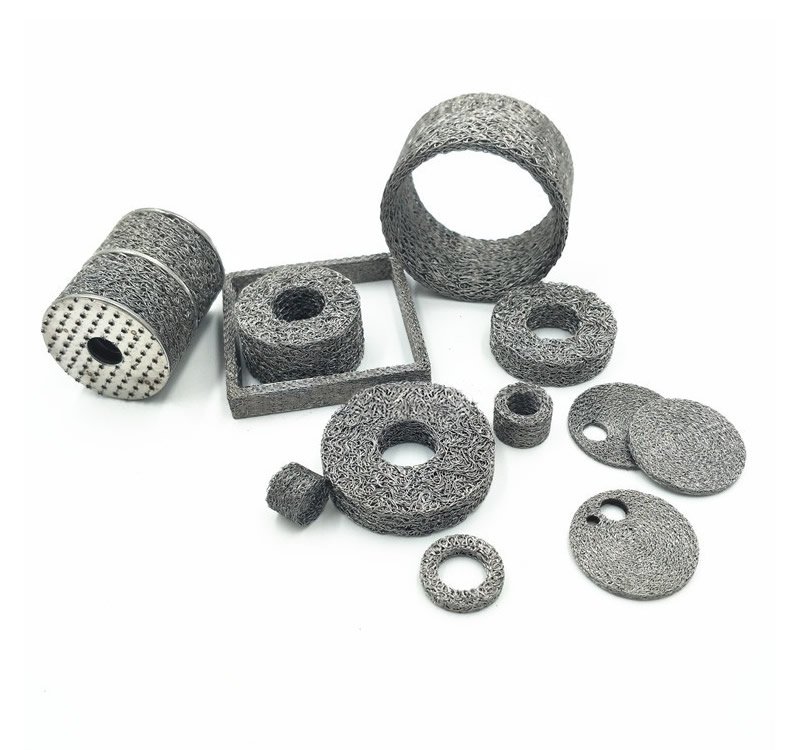
Supply Forms and Product Configurations
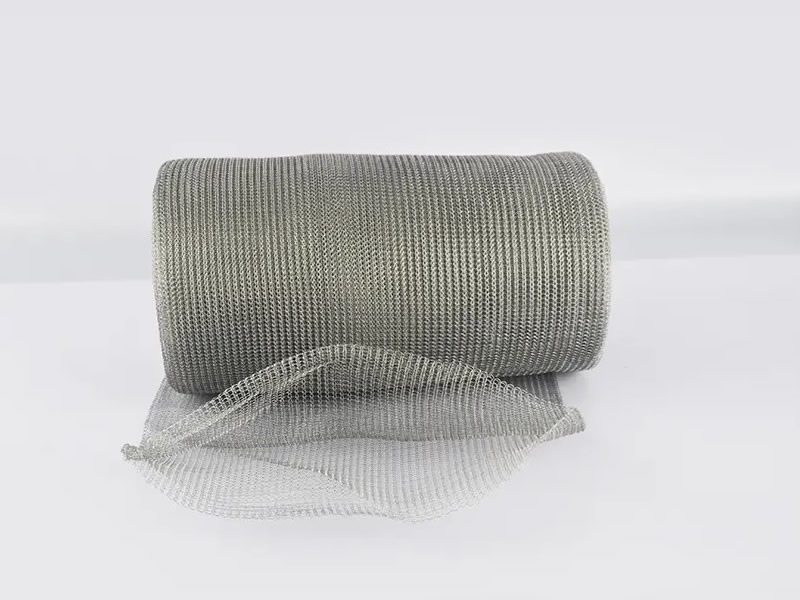
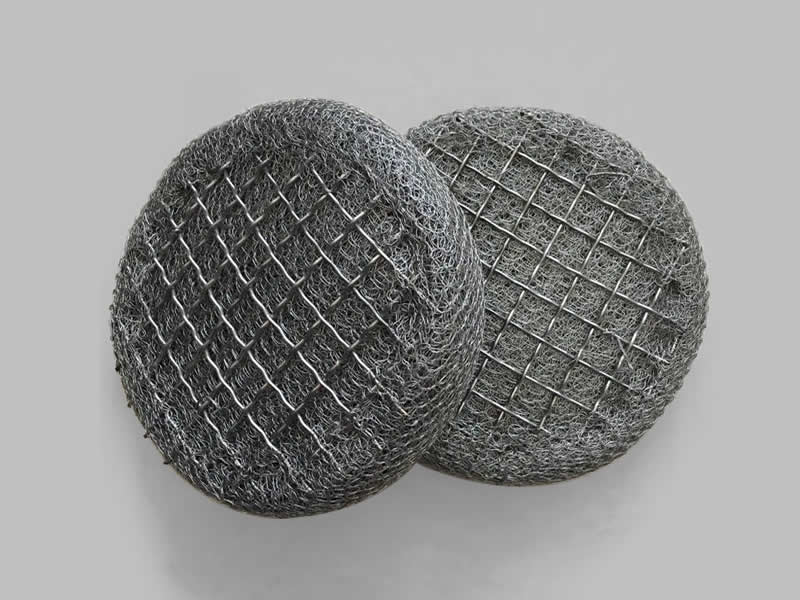
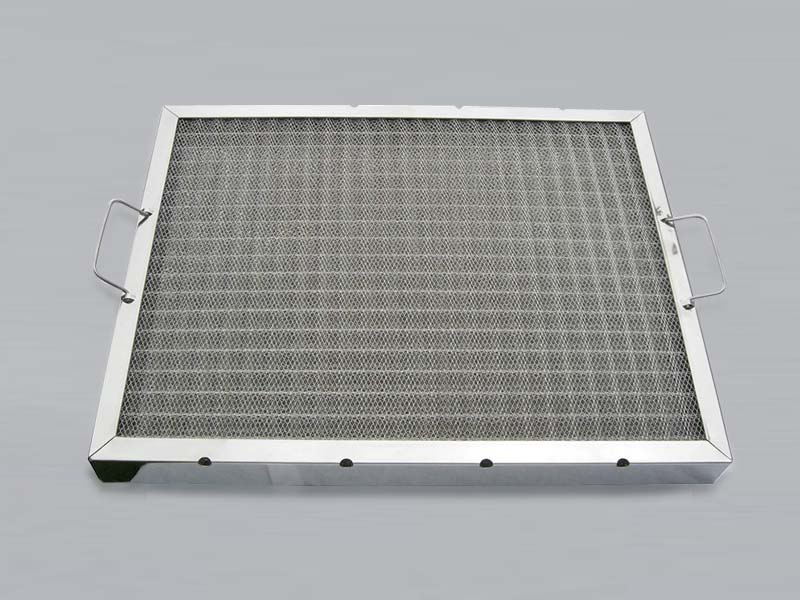
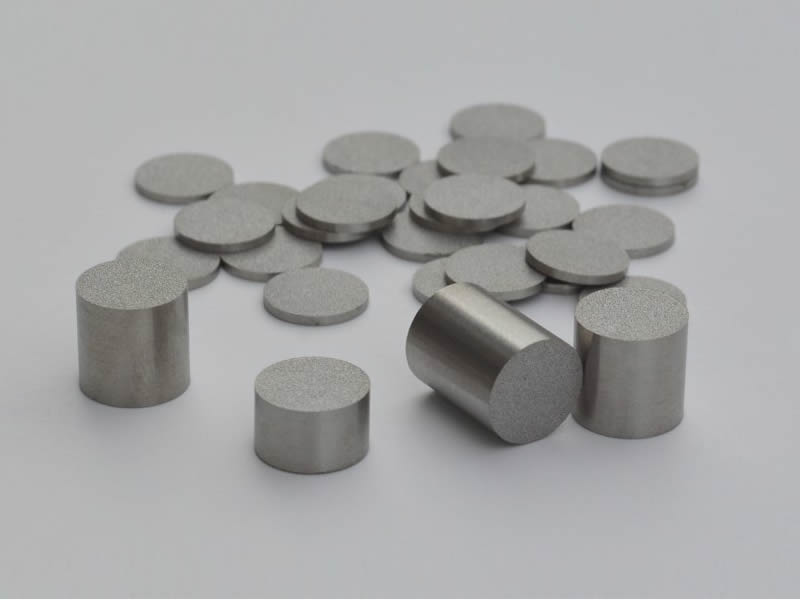
The views below show product forms and construction details. Send the drawing or existing specification for the configuration you need.
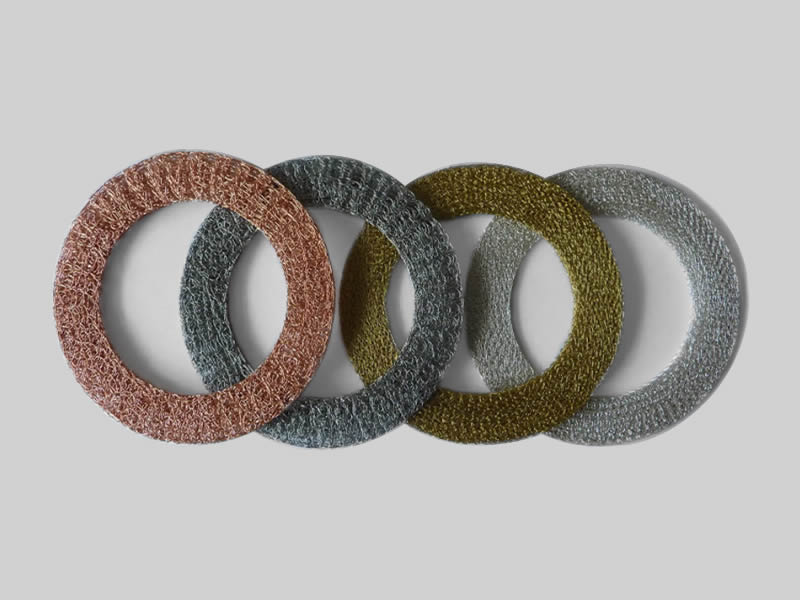
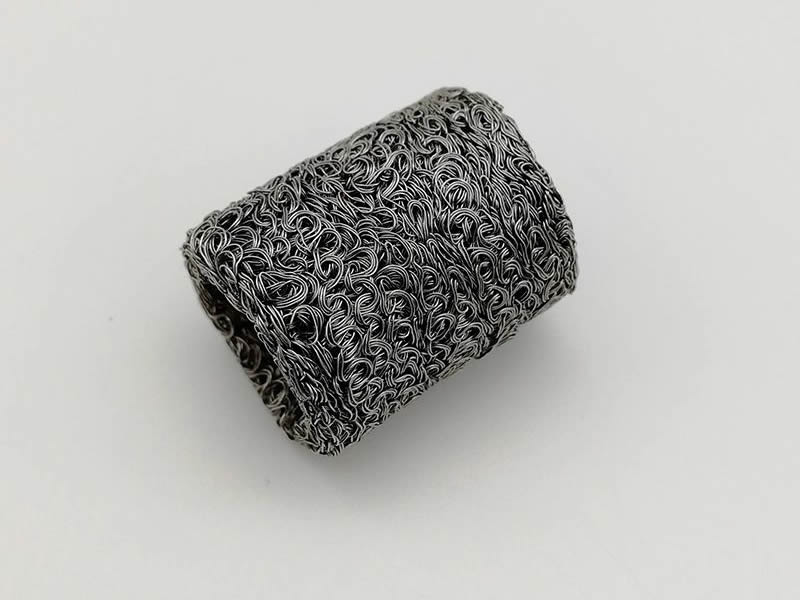
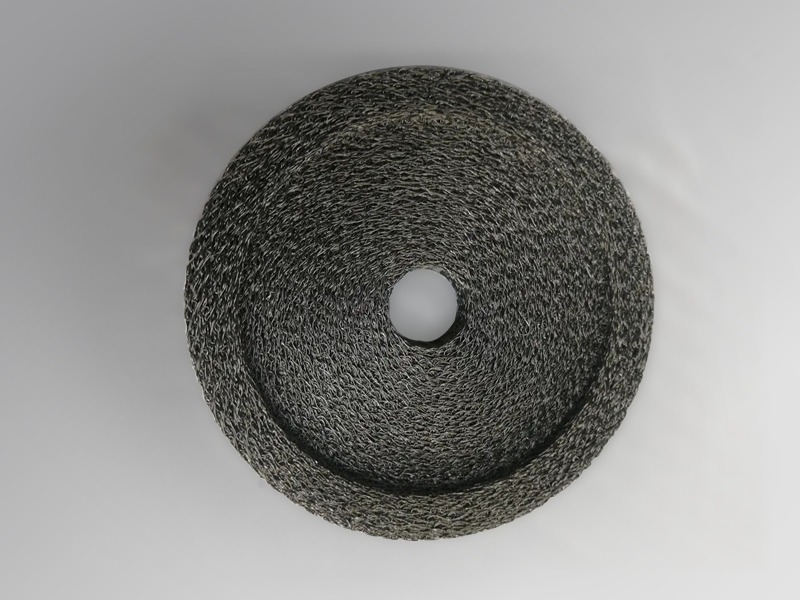
View more product configurations
Materials and finished-part specifications
- Stainless steel: 304, 316, 316L, 309, 310S and 321.
- High alloys: Monel, Hastelloy and Inconel, exact grade confirmed.
- Other metals: titanium, nickel, copper, brass, tinned copper, aluminum, galvanized steel and plain steel.
- Round-wire diameter: selected for the required material and formed-part construction; each feed wire is specified for multi-wire mesh.
- Flat-wire width and thickness: to drawing.
- Shapes: rings, tubes, cylinders, square pads, conical rings and custom forms.
- Finished dimensions, mass and bulk density: per project.
- Different densities, zoned structures, multi-material and graphite-composite parts: to specification.
We define the base-mesh wire size and the finished component dimensions, mass and bulk density separately for each custom part.
Custom compressed filter construction
- Die-formed shapes to agreed dimensions and tolerances.
- Single-wire or multi-wire base mesh, with each feed wire specified.
- Round-wire or flat-wire structures.
- Custom density, zoned construction and material combinations.
- Sample development and agreed mechanical or flow checks.
Use the drawing to define dimensions and tolerances, then agree corrosion compatibility, temperature, allowable differential pressure and mechanical requirements for the exact part and duty. These requirements guide material selection and any sample evaluation.
Alloyfilter manufactures compressed knitted wire mesh filters and porous formed components to drawings or samples. Knitted mesh is cut, folded, wound or layered, then pressed in a die into rings, tubes, cylinders, pads and custom shapes.
This page focuses on finished compressed elements for coarse filtration and specified particle or droplet interception. The interlocking-wire structure provides interconnected flow paths, but no universal micron rating or retention efficiency applies. Define the medium, flow, particle or droplet target, pressure-loss limit and test conditions for the finished part.
Select wire size, alloy, loop construction, density, flow-path length and forming together. We develop samples so you can evaluate the required filtration result for that construction. Different densities, zoned structures and multi-material combinations are available to specification.
Technical Guide and Ordering
Mass, bulk density and porosity
Finished-part mass and bulk density are actual production-control parameters. Bulk density is calculated from measured mass and agreed finished geometric volume. Define the free or loaded measurement state and account for central holes and shaped features.
For the mass, volume and installation-state record, use the compressed knitted mesh guide. For particle or droplet duties, the knitted filter selection guide separates structure from the required filtration result.
For a suitable single-material part, porosity can be calculated using bulk density and the material solid density. Mixed-metal and graphite-composite parts require their composition and density basis to be established separately. Density and calculated porosity do not alone establish pressure loss, filtration efficiency or mechanical performance. Demister-pad density ranges are not used as specifications for these compressed parts.
Operating conditions and optional tests
- Temperature assessment: based on exact grade, medium, environment and component condition. Routine furnace validation is not included.
- Flow-pressure-loss testing: sample parts can be tested at agreed flow and medium conditions on a factory air or water bench. This is not proof of allowable differential pressure, collapse resistance or burst pressure.
- Compression and recovery: a test machine records load at an agreed compressed height, followed by unloading and recovery/permanent-set measurements. Compressing to 70% of free height means a 30% height reduction; specify the intended convention.
- Fatigue: cyclic compression is not routine inspection. Cycles, loading, temperature and acceptance criteria can be agreed for a custom or outsourced test.
Specify normal and peak temperature, system pressure, flow-pressure loss, allowable differential pressure, compression travel, load, recovery and fatigue requirements separately. Methods and acceptance values follow the agreed drawing, OEM specification or test plan.
Cleaning and replacement
Select cleaning for the complete part, contaminant and function. Avoid hard brushing or aggressive flows that distort loops or affect recovery.
- Compatible solvent or detergent soaking to loosen oily residues, followed by gentle removal of deposits.
- Controlled reverse airflow or water flushing where the part, installation and flow direction permit.
- Low-pressure compressed air for loose dust.
- Short, low-power ultrasonic cleaning where suitable for the component.
- Controlled thermal cleaning only for compatible all-metal parts and an agreed procedure; inspect dimensions, structure and recovery afterward.
Graphite-composite components are not cleaned by burning or ultrasonic methods; agree a separate procedure. Reusable filter parts must be inspected after cleaning. Recovery-dependent support or sealing components may need scheduled replacement after thermal exposure and service; unlimited reuse is not promised.
Manufacturing inspection
- Dimensions: formed outside/inside diameters, height, chamfers, cuts and critical drawing tolerances.
- Mass and density: individual weighing and bulk-density calculation using the agreed volume.
- Materials: order grade and MTC requirements checked; PMI available by agreement for appropriate metal parts.
- Wire and structural defects: visible broken wires, missing material, detached loops and incomplete edges checked.
- Surface: sharp projections, scale and oil residues checked; food or electronics cleanliness requirements agreed separately.
- Compression: first articles and tooling changes checked for specified load and unloaded recovery/permanent set; production sampled to an agreed plan.
Pressure-loss and fatigue checks are sampled or ordered separately, not described as 100% inspection. Conditions, loads, sampling and acceptance values are agreed per order.
First-article checks using dimensions and mass
For first-article dimensional and mass checks, record the drawing revision, specimen identity and measuring condition alongside each result. Use these records to assess geometry, net mass and the bulk-density calculation; record force–displacement, flow resistance and filtration results under their separately agreed tests.
| Check | Practical record | What the result establishes |
|---|---|---|
| Outside and inside dimensions | Measure the drawing-defined locations and directions using suitable low-force contact tools or an agreed gauge. Record the datum and avoid squeezing the mesh to obtain a reading. | Conformity at the measured features. A single diameter reading does not establish roundness or fit at every location. |
| Height, steps and shaped features | Record free height or height under the specified measuring force, together with measurement locations and orientation. Check shoulders, cut-outs and chamfers against the drawing. | Geometry in that measurement state. A calliper reading is not a load-at-installed-height test. |
| Net mass | Use a suitable checked balance; tare packaging and record inserts or non-mesh parts separately where the specification calls for net mesh mass. | Mass of the identified specimen. Deposits on an old sample must not be treated as original wire mass. |
| Calculated bulk density | Use net mass and the agreed formed-body volume, excluding a ring’s centre bore and accounting for specified shaped features. State units and free/loaded dimensions. | An overall mass-to-volume ratio. It cannot establish local uniformity, alloy identity, capture performance or stiffness. |
Keep a short record with drawing requirement, method, measured result and disposition for each characteristic. Visual wire/edge checks and material-document checks remain separate. If the order includes compression/recovery or flow tests, leave those results pending until the agreed tests are completed; dimensional acceptance does not close them.
See the compression-curve and recovery explanation when functional mechanical verification is part of the specification.
Custom filters and replacement components
New filtration duty
Provide medium, particle or droplet target, flow, temperature, pressure conditions, installation space and cleaning requirements. We review material, base mesh, formed geometry and density, then agree samples and verification.
Manufacture to drawing
Send dimensions and tolerances, material, wire construction, mass/density, zones, compression requirements and test criteria.
Recreate from a sample
Send the sample, quantity and the installation details you have. We can review geometry, mass and construction, then clarify the original density, material and functional requirements. Identify deposits or permanent deformation on a used part so its measured condition is kept separate from the intended replacement specification.
Compressed knitted wire mesh FAQ
Does compressed mesh have a universal micron rating?
No. Define the target and test conditions for the finished element. Density alone does not establish filtration efficiency.
Can you make different densities or zones?
Yes. Density, zoned construction and multi-material combinations can be specified with drawing and acceptance requirements.
Does a pressure-loss test establish pressure resistance?
No. It measures flow resistance under test conditions. Allowable differential pressure and structural capacity need separate confirmation.
Can the part be cleaned and reused?
It depends on contamination, material and function. Inspect after compatible cleaning; graphite-composite parts and recovery-dependent components require separate treatment and replacement criteria.
Do you test fatigue on every part?
No. Fatigue is a custom or outsourced test by agreement. Compression checks follow first-article, tooling-change and production-sampling requirements.
How is this different from a demister pad or panel filter?
This page covers compact die-formed components. Tower demister pads and framed panel filters have separate installation and performance requirements. See knitted mesh rolls, demister pads or knitted panel filters for those products.
Inquiry for custom compressed filters
Start with the drawing or sample photos, quantity and installation details you have. The list below is a reference for clarifying the specification; for a new design or a functional change, we will identify the additional details needed:
- Drawing or sample, quantity and installation details
- Material grade, wire shape/size and base-mesh construction
- Finished dimensions, tolerances, mass and bulk-density requirements
- Zoned structure or composite materials
- Medium, flow, particle/droplet target and test method
- Temperature, system pressure, pressure-loss limit and allowable differential pressure
- Compressed height or travel, load, recovery and fatigue requirements
- Cleaning, inspection, sampling and acceptance criteria
Compressed knitted mesh applications
Filtration is the primary focus. Other functions below are project-specific component uses, not performance claims for every compressed part. Dedicated tower mist-elimination and framed-panel filtration are covered on their separate product pages.
| Function | Component uses and requirements |
|---|---|
| Filtration and separation | Engine breathers, crankcase ventilation, specified particle/droplet interception and exhaust components. Airbag filter parts are manufactured to defined customer specifications; mesh alone does not establish system safety performance. |
| Noise, vibration and thermal assemblies | Exhaust noise-control, damping and shock-support parts, and components in thermal-isolation assemblies. Performance depends on the complete installation. |
| Support and sealing assemblies | Elastic compensation and cushioning for catalytic-converter or DPF assemblies. Bare knitted mesh is not a gas-tight seal; support and bypass control depend on the complete design. |
| Electrical and electrochemical assemblies | Specified conductive parts for EMI/RFI, fuel-cell, electrolysis and chlor-alkali assemblies. Mesh alone does not establish shielding effectiveness, electrode behavior or system performance. |
| Safety-related projects | Flame-arresting or explosion-related components require defined requirements and validated assemblies. Ordinary compressed mesh carries no flame-arresting or explosion-protection claim. |
Send Your Drawing, Specification or Sample Photos
Send the drawing or existing specification you have, together with the quantity and the parts you need. Sample photos and main dimensions are a useful starting point when a drawing is unavailable.
If you are still defining the product, briefly describe its intended use. We will clarify the additional manufacturing and inspection details with you.